
Side Dishes
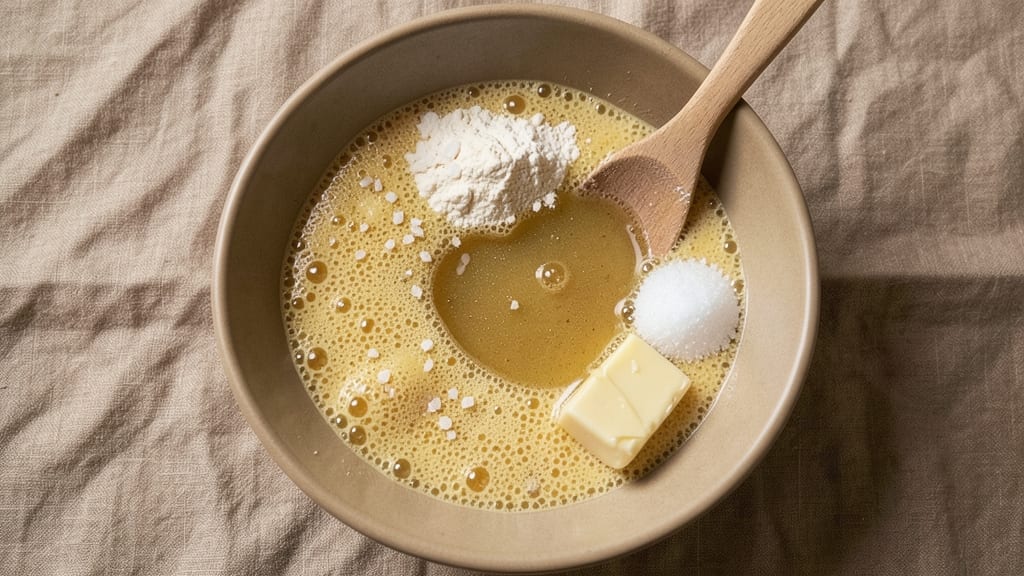
This all-purpose bread recipe delivers a perfectly balanced loaf with crispy crust and soft, airy interior—ideal for sandwiches, toast, or dinner rolls. The secret lies in precise yeast activation, gentle kneading, and proper proofing times that create that signature bread texture. I've perfected this recipe over years of baking, ensuring consistent results every time without requiring advanced techniques.
The foundation of great bread begins with quality ingredients: all-purpose flour, active dry yeast, warm water, and a touch of salt to enhance flavor. Unlike quick breads, this recipe requires patience—allowing the dough to rise twice creates that light, fluffy crumb structure we all love.
The kneading process develops gluten, which gives the bread its satisfying chew and ability to hold fillings perfectly.
When baked at the right temperature (around 375°F), the exterior develops a golden-brown crust while the interior remains tender. The scoring technique before baking not only looks impressive but also helps control expansion for an even rise. This versatile loaf freezes beautifully, making it perfect for meal prep or gifting.
Whether you're making classic sandwich bread or dinner rolls, this recipe adapts easily. For a no-knead option, simply adjust the timing and proofing process. The result is always a reliable, flavorful loaf that rivals store-bought quality—without the preservatives. Let's get started on creating your perfect loaf.
Ingredients for all purpose bread
Quality flour, activated yeast, and precise kneading create the perfect loaf for sandwiches and toast.
| Ingredient | Amount | Notes |
|---|---|---|
| All-Purpose Flour 🌾 | 4 cups | Bread flour for better texture |
| Active Dry Yeast 🍞 | 2 ¼ tsp | Ensure yeast is fresh |
| Warm Water 💧 | 1 ¼ cups | 110°F for optimal activation |
| Granulated Sugar 🍚 | 1 tbsp | Feeds yeast for rise |
| Unsalted Butter 🧈 | ½ cup | Softened for dough mixing |
| Salt 🧂 | 1 ½ tsp | Diamond Crystal preferred |
| Large Eggs 🥚 | 1 whole | Room temperature for even baking |
| Extra-Virgin Olive Oil 🫒 | 1 tbsp | For dough elasticity |
| Milk 🥛 | ¼ cup | Warmed for yeast activation |
| Egg Wash 🥚 | 1 whole | For golden crust finish |
| Coarse Cornmeal 🌽 | ¼ cup | For dusting baking sheet |
The foundation starts with King Arthur all-purpose flour—its high protein content develops gluten beautifully. For yeast, Bob's Red Mill active dry yeast is my go-to; check the expiration date as old yeast won't activate properly. Warm water should be 110°F—too hot kills yeast, too cold slows activation. The butter should be soft but not melted—press with a finger to test. Diamond Crystal salt dissolves more easily than table salt, so use the full amount for proper flavor balance. If you're in a pinch, Morton kosher salt works at a 1:1 ratio but may require slight adjustment.
No warm milk? Warm water plus 1 tbsp melted butter mimics the richness. Short on eggs? 1 tbsp ground flaxseed plus 3 tbsp water replaces one egg for binding (though texture may differ slightly). The olive oil can be swapped for melted butter if preferred, but it may make the dough slightly denser. For a no-yeast option, 1 tsp baking soda plus 1 tbsp vinegar creates lift, though the texture will be denser. The cornmeal can be omitted if needed, but it prevents sticking during proofing and baking. Store-bought bread flour works fine, but bread flour with 12-14% protein yields the best gluten development for that classic bread texture.
This dough keeps for 24 hours in the fridge if wrapped tightly in plastic—just let it come to room temp before shaping. For longer storage, freeze shaped loaves on a tray before bagging; they'll keep for up to 3 months. Thaw overnight in the fridge before toasting. The egg wash can be made ahead and stored in the fridge for 2 days. For a crispier crust, bake 5 minutes longer at the end of baking time. Leftovers? Toast or make French toast—this bread handles both beautifully.
Why You'll Love This Recipe
- No-Fuss Mixer: I swear by this dough—just toss the flour, yeast, and warm water in a bowl, let it sit while I chop veggies, then knead it once with my hands. That butter at the end? Pure magic for keeping it tender without fuss.
- Buttery Crust Secret: The sugar caramelizes just enough for a golden crust, but it’s the cold butter cubes melting into the dough that makes it ridiculously good. Not too sweet, not too rich—just right.
- Leftovers? More Like Forever: This bread stays fresh for days, and I always have slices stashed for toast or sandwiches. Honestly, I’ve even frozen it—just thaw and toast, no difference.
- Budget Bread Wins: Five ingredients, zero specialty items, and it costs me pennies per loaf. My kids ask for it daily, and I never feel guilty about the grocery bill.
Step-by-step instructions for versatile homemade loaf
Master this classic technique for a perfectly balanced loaf every time.
Activate the Yeast with Warm Water and Sugar
In a small bowl, combine the 1.25 cups warm water (tested at 110°F) with the 1 tbsp granulated sugar and 2.25 tsp active dry yeast. Let it sit for 5-10 minutes until the mixture becomes frothy and bubbles vigorously at the surface.
This activation step is crucial—if the yeast doesn't foam within 10 minutes, it's not viable. I've ruined more doughs than I care to admit by skipping this check. Once confirmed active, proceed immediately to prevent overproofing.
Mix Dough Components Until Fully Incorporated
In the bowl of a stand mixer fitted with the dough hook attachment, combine the 4 cups all-purpose flour and 1.5 tsp salt. Add the yeast mixture, 0.5 cup softened unsalted butter, 1 tbsp extra-virgin olive oil, and 0.25 cup warmed milk to the bowl.
Mix on low speed for 3-4 minutes until the dough begins to pull away from the sides of the bowl. Add the 1 whole large egg and continue mixing until a shaggy dough forms. If the dough sticks excessively, add 1 tablespoon flour at a time until it becomes manageable.
Knead Until Smooth and Elastic
Increase the mixer speed to medium and knead for 6-8 minutes until the dough becomes smooth, elastic, and slightly tacky. You'll know it's ready when it forms a windowpane—stretch a small piece between your fingers and it should thin out without tearing.
If the dough feels too sticky, add flour 1 tablespoon at a time until it reaches the perfect consistency. Over-kneading develops too much gluten and makes the bread dense, so stop when the dough springs back slowly when poked with a finger.
First Rise Until Doubled in Size
Lightly grease a large bowl with olive oil, place the dough inside, and cover with a damp kitchen towel. Let it rise in a warm place (like the top of your refrigerator with the light on) for 1-1.5 hours or until doubled in size.
I've found that using a bowl slightly larger than the dough prevents it from sticking to the sides during rising. Gently press your finger into the dough—it should spring back slowly rather than immediately. This indicates proper fermentation and readiness for shaping.
Shape and Second Rise Before Baking
Turn the dough onto a lightly floured surface and gently shape it into a 12-inch log. Place it seam-side down in a greased 9x5-inch loaf pan and cover with a damp towel. Let it rise for another 30-45 minutes until it reaches the top of the pan.
For an even better crust, sprinkle 0.25 cup coarse cornmeal on the bottom of the pan before adding the dough. This prevents sticking and adds subtle texture. The dough should be puffy and slightly domed when ready for baking.
Bake Until Golden and Hollow-Sounding
Preheat your oven to 375°F. Brush the risen dough with the 1 whole egg wash (beaten egg + 1 tablespoon water) for a golden finish. Bake for 30-35 minutes until the bread is deep golden brown and sounds hollow when tapped on the bottom.
For that perfect crust, I like to place a shallow pan of water on the lower oven rack during the first 10 minutes of baking. This creates steam that develops a crisp, crackly exterior. Let the bread cool on a wire rack for at least 1 hour before slicing—this prevents a gummy interior.
Pro Tips For Making All Purpose Bread
- Bloom the Yeast First: Skip mixing yeast straight into flour—it’s a common shortcut that kills flavor. Instead, dissolve it in warm water (not hot—think bathwater temp) with a pinch of sugar for 5-10 minutes until frothy. This guarantees your dough rises properly and develops that deep, tangy complexity you’d otherwise miss.
- Measure Flour Right: Spooning flour into cups and scooping? You’re packing it too tight, which makes your bread dense. Instead, fluff the flour first, then fill the cup to the brim and level with a knife. A standard recipe calls for about 500g—don’t eyeball it.
- Knead Until Silky: The dough should pull cleanly away from your hands and snap back slowly when poked. If it’s sticky or tears easily, keep kneading—even if it feels like overkill. I learned this the hard way: under-kneaded dough collapses in the oven, no matter how perfect the rise looked.
- Soft Butter Matters: Cold butter creates pockets of fat that make bread dense; melted butter washes out flavor. Cut the unsalted butter into small cubes and let it sit at room temp for 30-45 minutes until it’s soft but not greasy. This keeps your bread tender without sacrificing structure.
Serving suggestions for this recipe
Classic Sandwich Setup
This bread shines as the perfect sandwich base. Use thick slices for grilled cheese with sharp cheddar and apple butter—the soft interior holds up beautifully.
For turkey and avocado, lightly toast the bread to prevent sogginess. I love adding a smear of garlic aioli before assembling for extra flavor. 🥪
For BLTs, tear the bread into irregular chunks and toast until golden. The crust adds satisfying texture while the soft center soaks up bacon grease. Pair with crisp lettuce, ripe tomatoes, and a drizzle of balsamic glaze for balance. This combo feels like a restaurant-quality meal at home.
Toast Perfection
Toast this bread in a cast-iron skillet over medium heat for 2-3 minutes per side until deeply golden. The skillet creates a crispier crust than a toaster. Top with whipped butter and a sprinkle of flaky sea salt for a simple breakfast.
For French toast, dip slices in an egg mixture with vanilla extract and cinnamon, then pan-fry until caramelized. 🍞
For avocado toast, mash ½ ripe avocado with lemon juice, salt, and red pepper flakes on toasted bread. Add a poached egg on top for a protein boost. I also love sprinkling everything bagel seasoning for a savory kick. This becomes my go-to brunch staple.
Dinner Rolls
Shape the dough into 1-inch balls instead of a loaf for dinner rolls. Bake in a muffin tin for 12-15 minutes at 375°F until golden. Serve warm with herb butter (mix softened butter with chopped parsley and garlic) for dipping.
These rolls pair perfectly with roasted chicken or beef stew. 🍖
For garlic butter rolls, brush baked rolls with melted butter mixed with minced garlic and dried parsley. Broil for 1-2 minutes until bubbly. These become the star of any dinner table—guests always ask for the recipe. I keep a batch in the freezer for unexpected company.
Breakfast Adaptations
Use this bread for breakfast sandwiches with scrambled eggs and cheddar cheese. Toast the bread lightly to prevent sogginess. For a sweet twist, spread peanut butter and honey on toast, then top with banana slices.
The bread's texture holds up well to both sweet and savory fillings. 🍌
Make bread pudding with stale slices—toss with eggs, milk, vanilla, and brown sugar, then bake until golden. The bread's structure gives the pudding perfect texture. I also use it for French toast casserole, layering bread with egg mixture and baking overnight for a make-ahead breakfast.
Gift-Worthy Presentation
Wrap cooled loaves in parchment paper and tie with twine for a rustic gift. Add a small jar of homemade jam or a loaf of butter for a complete gift basket.
The bread keeps well for 3-5 days at room temperature or up to 3 months frozen. I've given these as housewarming gifts—they're always a hit. 🎁
For special occasions, shape the dough into mini loaves or baguettes and bake in ceramic loaf pans for an elegant presentation. The crispy crust and soft interior make these perfect for charcuterie boards or holiday brunches. Guests always compliment the homemade quality over store-bought.
Nutrition facts
Frequently asked questions
Can I substitute bread flour for all-purpose flour in this recipe?
Yes, you can! For a slightly denser but still delicious loaf, replace the 4 cups all-purpose flour with 3 cups all-purpose flour plus 1 cup bread flour. The higher protein content in bread flour develops more gluten, giving you a chewier texture. Just knead the dough a minute or two longer to account for the extra gluten development.
Why did my bread turn out dense instead of light and airy?
Dense bread usually results from one of three issues: over-kneading (which develops too much gluten), underproofing (not letting the dough rise long enough), or inactive yeast. First check if your yeast bubbled properly in the warm water—if not, it may have been old. For future batches, let the dough rise until it's doubled in size and springs back slowly when poked.
How can I make this bread rise faster without changing the recipe?
Place your covered dough bowl in a warm oven with the light on (about 80°F) for 30-45 minutes to speed up fermentation. You can also try a proofing box or place the bowl on top of your refrigerator with the light on. Just monitor closely—dough rises faster in warm conditions but can overproof quickly if left unattended.
Can I make this bread without a stand mixer?
Mix the ingredients by hand in a large bowl, then turn the dough onto a floured surface and knead for 8-10 minutes until smooth and elastic. Press down hard with the heel of your hand and fold the dough over itself repeatedly. The dough should feel slightly tacky but not sticky when you're done.
What's the best way to store homemade bread?
For short-term storage (3-5 days), keep the bread in an airtight container or wrapped in a clean kitchen towel at room temperature. For longer storage, freeze shaped loaves on a tray before bagging—they'll keep for up to 3 months. Thaw overnight in the fridge before toasting. To refresh stale bread, wrap it in a damp paper towel and microwave for 10-15 seconds.