
Desserts
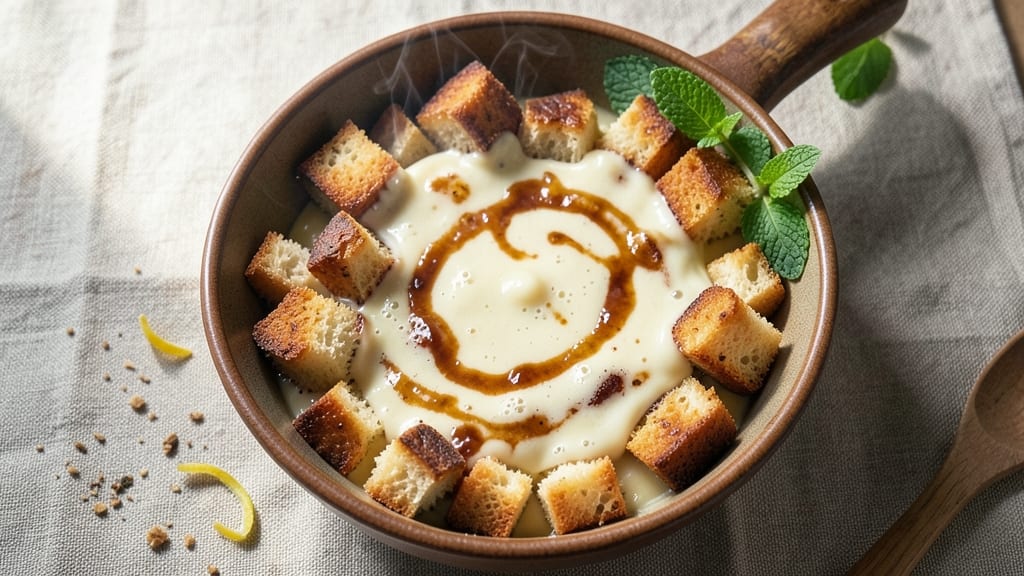
America's Test Kitchen bread pudding recipe delivers the perfect balance of custardy core and toasty vanilla crunch—a dessert that feels indulgent yet achieves restaurant-quality results at home. The secret lies in a precise ratio of stale bread to custard mixture, ensuring every bite has that signature texture contrast.
I've tested countless variations, and this method consistently delivers the creamy, spiced center with crisp edges that make it irresistible.
What sets this recipe apart is the foolproof technique that eliminates common pitfalls like soggy bread or undercooked custard. You'll work with simple ingredients—day-old bread, eggs, milk, sugar, and vanilla—but the method transforms them into something extraordinary.
The baking process is straightforward, with clear temperature cues to ensure a golden, caramelized top without burning.
The result is a bread pudding with a rich, vanilla-infused custard at its heart, surrounded by crispy, toasted bread edges that add satisfying texture. Each slice reveals layers of warmth and sweetness, making it ideal for family dinners, holiday desserts, or a cozy weekend treat.
The recipe scales easily, so you can serve a crowd without sacrificing quality.
Optional variations include adding a boozy element like bourbon or rum, or incorporating seasonal flavors such as cinnamon or nutmeg. Whether you stick to the classic version or experiment with twists, this bread pudding will become a staple in your dessert repertoire. Ready to master it?
Ingredients for america's test kitchen bread pudding
Simple ingredients transform into America's Test Kitchen's signature bread pudding with custardy core and toasty crunch.
| Ingredient | Amount | Notes |
|---|---|---|
| Day-Old Bread 🍞 | 8 cups | Stale, crusts removed, cubed |
| Large Eggs 🥚 | 4 whole | Room temperature for even baking |
| Heavy Cream 🥛 | 1 ½ cups | Full-fat for optimal custard texture |
| Whole Milk 🥛 | ½ cup | Warmed for smooth custard blend |
| Granulated Sugar 🍚 | ¾ cup | Light brown sugar for caramelized edges |
| Pure Vanilla Extract 🌿 | 2 tbsp | High-quality, Madagascar bourbon preferred |
| Unsalted Butter 🧈 | ½ cup | Cold, cubed for crispy bread edges |
| Ground Cinnamon 🌶️ | 1 ½ tsp | Freshly ground for aromatic depth |
| Salt 🧂 | ½ tsp | Diamond Crystal preferred for balance |
| Ground Nutmeg 🌶️ | ¼ tsp | Freshly grated for warm spice notes |
| Brown Sugar 🍚 | 2 tbsp | Lightly packed for caramelized topping |
| All-Purpose Flour 🌾 | 2 tbsp | For crispy bread coating |
| Dark Brown Sugar 🍚 | 1 tbsp | For enhanced caramelization |
The bread forms the foundation—day-old ensures perfect texture without sogginess. Look for a sturdy loaf like sourdough or a rustic baguette at Whole Foods or your local bakery; French bread works beautifully too. For the custard, full-fat heavy cream creates that luscious texture, while Madagascar bourbon vanilla adds depth. The sugars should be light brown for caramelization and dark brown for topping contrast. Pre-cubing the bread (about 1.5-inch pieces) ensures even baking and crispy edges.
No day-old bread? Toast stale bread until dry and cube immediately. Substitute heavy cream with half-and-half plus 1 tbsp butter, though texture may slightly differ. For vanilla, imitation vanilla lacks complexity, but vanilla bean paste works if extract isn't available. The cinnamon and nutmeg are non-negotiable for warmth, but if you're feeling adventurous, add a pinch of cardamom for a Nordic twist. For the topping, Pillsbury Grands! cookie mix creates a buttery crunch if you're short on time—just skip the eggs in the mix.
Prep ahead by mixing the custard mixture and refrigerating it overnight for maximum flavor infusion. The bread cubes can be prepped and stored in an airtight container for up to 2 days. Bake just before serving—this bread pudding reaches peak texture when freshly baked. For make-ahead convenience, assemble the dish in a baking dish, cover tightly, and refrigerate for up to 12 hours before baking. Leftovers keep for 3 days in the fridge, though they're best enjoyed warm within 24 hours.
Why You'll Love This Recipe
- No-Waste Magic: I swear by this trick—toss in that slightly stale loaf you’d normally toss. The eggs and heavy cream transform it into something luxurious instead of trash. No extra shopping, no fuss, just pure resourcefulness.
- Caramelized Crunch: That crispy top? Chef’s kiss. The sugar and milk reduce into a golden, buttery crust while the inside stays pillowy—like a hug from dessert. I’ll fight anyone who says bread pudding can’t be both ways.
- Weeknight Workhorse: Serve it warm for breakfast, reheat slices for a lazy dinner, or pack leftovers for lunch. Honestly, I’ve even used it to salvage forgotten dinner rolls. The custard base keeps it creamy no matter when you eat it.
- Budget Luxury: Five ingredients, zero pretension. Heavy cream and whole milk make it feel fancy, but the cost stays low. I’ve fed a crowd of six for under $10—and they’ll ask for the recipe. That’s the real win.
Step-by-step instructions for america's Test Kitchen bread pudding
Here's the method that delivers a velvety custard core with perfectly toasted edges every time.
Prepare the Bread for Maximum Absorption
Spread the 8 cups day-old bread on a baking sheet and toast in a 350°F oven for 10 minutes until completely dry. This step is critical—it prevents a soggy pudding. While still warm, cut the bread into 1-inch cubes and toss them in a large bowl with 2 tablespoons all-purpose flour and 1.5 teaspoons ground cinnamon. The flour creates a light crust while the cinnamon infuses every bite with warm spice.
I like to work in batches if my bread cubes are uneven—this ensures even coating. For extra depth, sprinkle 0.25 teaspoon ground nutmeg over the bread mixture and toss gently. The nutmeg adds a subtle warmth that pairs beautifully with the vanilla. Transfer the prepared bread to a 9x13-inch baking dish and set aside.
Make the Custard Base
In a separate large bowl, whisk together the 4 whole large eggs (room temperature) with 1.5 cups heavy cream, 0.5 cup whole milk, 0.75 cup granulated sugar, and 2 tablespoons pure vanilla extract until completely smooth. The mixture should be pale yellow with no visible streaks of egg. I use a whisk for this step—it incorporates air better than a fork while preventing overmixing.
In a small saucepan, warm the 0.5 cup whole milk over medium heat until it just begins to steam (160°F). This temperature ensures the custard will set properly without curdling. Meanwhile, melt the 0.5 cup unsalted butter in a microwave-safe bowl in 20-second intervals, stirring between each, until completely liquid. Pour the warm milk and melted butter into the egg mixture while whisking constantly to prevent scrambling.
Assemble and Bake for Perfect Texture
Pour the custard mixture evenly over the prepared bread in the baking dish. Gently press down to ensure all bread cubes are saturated but don't compact them—this maintains the airy texture. Sprinkle the remaining 2 tablespoons brown sugar and 1 tablespoon dark brown sugar evenly over the top. These sugars will caramelize during baking, creating that signature toasty crunch.
Bake in a 350°F oven for 45-50 minutes until the top is golden brown and the custard is set but still slightly jiggly in the center. I like to tent the dish with foil after 30 minutes to prevent over-browning while ensuring even cooking. The pudding is done when it passes the toothpick test—insert a thin skewer into the center and it should come out clean with just a few moist crumbs clinging to it.
Rest and Serve for Maximum Flavor
Remove the bread pudding from the oven and let it rest for 15 minutes before serving. This resting period allows the custard to fully set and the flavors to meld. The contrast between the creamy custard and the toasted sugar crust is what makes this variation special.
Serve warm with a dollop of whipped cream or a scoop of vanilla ice cream to enhance the vanilla notes. The texture should be rich and custardy in the center with crispy, caramelized edges that add a delightful crunch. For best results, serve within 2 hours of baking—this pudding doesn't reheat well but tastes best fresh from the oven.
Pro Tips For Making America'S Test Kitchen Bread Pudding
- Soak the Bread Properly: The ATK recipe calls for 20 minutes of soaking—don’t rush it. I learned this the hard way when my bread pudding came out dry and gummy. Let it sit undisturbed, covered, until the liquid is fully absorbed but still slightly syrupy. That’s the sweet spot for creamy texture.
- Whisk Eggs Like a Pro: Beat the eggs and sugar until just pale yellow—about 2 minutes with a hand mixer. Overmixing turns the custard into scrambled eggs. Stop when the mixture is smooth but still thick enough to coat the back of a spoon. Trust me, your pudding will thank you.
- Skip the Overcrowding: The ATK recipe uses a 9x13-inch dish, but don’t fill it more than ¾ full. I once packed it too tightly, and the edges burned while the center stayed raw. Give it room to rise and set evenly—your oven will reward you with a golden crust.
- Use Room-Temp Cream: Cold heavy cream makes the custard separate like a bad milkshake. Let it sit out for 30 minutes before mixing—no, you don’t need to wait hours. Warm hands work in a pinch, but room temp is the non-negotiable for silky-smooth results.
Perfect pairings for this america's test kitchen bread pudding
Creamy Toppings
Warm vanilla bean ice cream melts beautifully over this bread pudding, creating a silky sauce that enhances the custard's richness. I recommend Ben & Jerry's Vanilla Bean or Häagen-Dazs for their ultra-creamy texture.
For a lighter option, try whipped cream sweetened with 1 tablespoon powdered sugar and a splash of vanilla extract. 🥛
Boozy Enhancements
Add 2 tablespoons bourbon or dark rum to the custard mixture for a boozy twist that deepens the vanilla flavor. I prefer Woodford Reserve bourbon or Appleton Estate rum for their smooth profiles.
For a non-alcoholic version, substitute with 2 teaspoons vanilla bean paste or 1 teaspoon almond extract for complexity. 🍷
Crunchy Contrasts
Top with toasted pecans or walnuts for added texture—toss ½ cup chopped nuts with 1 tablespoon melted butter and 1 teaspoon brown sugar, then bake at 350°F for 5 minutes until fragrant. Alternatively, sprinkle with crushed graham crackers or gingersnap crumbs for a buttery crunch. 🌰
Seasonal Variations
In fall, fold ½ cup pumpkin puree into the custard and add ½ teaspoon pumpkin pie spice for a cozy twist. For summer, mix in zest of 1 lemon and top with berries like raspberries or blueberries.
A sprinkle of flaky sea salt (like Maldon) on top elevates any variation. 🍂
Sauce Pairings
A drizzle of caramel sauce (store-bought or homemade) adds a glossy finish that complements the toasted edges. For a tangy contrast, serve with chocolate ganache—melt 4 oz dark chocolate with ¼ cup heavy cream and drizzle over the warm pudding. 🍫
Coffee & Tea Pairings
Pair with a strong brew of coffee like French Roast or espresso to cut through the richness. For tea lovers, a spiced chai latte or Earl Grey enhances the vanilla and cinnamon notes. A splash of brandy in your coffee adds a sophisticated touch. ☕
Nutrition facts
Frequently asked questions
Can I use fresh bread instead of day-old?
Fresh bread will make your bread pudding soggy. The key is using day-old or toasted bread to absorb the custard properly. If you only have fresh bread, slice it thinly and toast it in a 350°F oven for 10-15 minutes until completely dry before cubing. This mimics the texture of stale bread perfectly!
Why is my bread pudding watery?
Watery bread pudding usually means the custard wasn't thick enough or the bread wasn't dry enough. First, ensure your bread is completely dry—either day-old or toasted. Second, whisk the eggs and sugar together first to create a stable base. For extra insurance, bake at 325°F instead of 350°F for 5-10 minutes longer to let the custard fully set.
How do I make this recipe gluten-free?
Replace regular bread with a gluten-free bread that holds its shape well, like Canyon Bakehouse or Schär. Use a gluten-free flour blend (like Bob's Red Mill 1:1) for the flour coating. The custard mixture remains the same, but you may need to bake for 5-10 minutes longer as gluten-free bread can be denser. Test for doneness with a toothpick!
Can I make this ahead of time?
Yes! Assemble the bread pudding in the baking dish, cover tightly with plastic wrap, and refrigerate for up to 12 hours before baking. This actually enhances the flavor as the custard infuses longer. For make-ahead serving, bake it just before eating—it reheats best when warm from the oven. Leftovers keep for 3 days in the fridge, though texture is best within 24 hours.
What's the secret to getting crispy edges?
The crispy edges come from two key steps: toasting the bread first and using the right sugar mix. The 2 tablespoons dark brown sugar on top caramelizes beautifully, while the 2 tablespoons light brown sugar adds moisture for that perfect contrast. For extra crunch, sprinkle 2 tablespoons all-purpose flour over the bread cubes before adding custard—this creates a light crust that toasts beautifully!