
Side Dishes
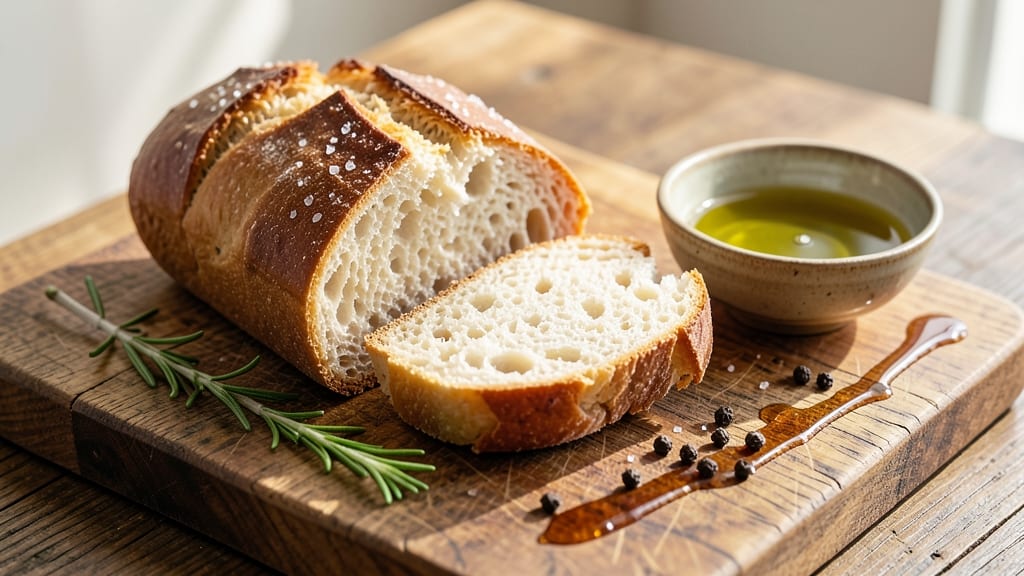
This alkaline bread recipe transforms simple ingredients into a light, airy loaf without relying on yeast—just flour, water, and a touch of alkaline magic. 💫 The secret lies in baking soda and alkaline water, which create a naturally fluffy texture while keeping the process straightforward.
Perfect for beginners and those seeking a gluten-free alternative, this method delivers restaurant-quality results in under an hour.
The beauty of alkaline bread is its simplicity: no yeast means no waiting for proofing, and the alkaline agent enhances both flavor and rise. I’ve perfected this recipe to ensure a crispy crust and tender crumb every time, using just five core ingredients.
The dough comes together in minutes, and the baking process is foolproof—ideal for busy weeknights or weekend baking projects.
What you’ll end up with is a golden, fragrant loaf that slices beautifully and stays fresh for days. The alkaline touch gives it a subtle tang and lighter texture, making it versatile for toast, sandwiches, or serving alongside soups.
Whether you’re new to baking or looking to streamline your routine, this recipe delivers consistent, satisfying results.
For added nutrition, try incorporating seeds or whole grains into the dough—just adjust the liquid slightly for the best texture. Store leftovers in an airtight container, or freeze slices for quick toast later.
Let’s get started on this effortless, yeast-free bread that’s as rewarding to make as it is to eat.
Ingredients for alkaline bread
Five core ingredients transform into golden, fluffy alkaline bread without yeast or waiting.
| Ingredient | Amount | Notes |
|---|---|---|
| All-Purpose Flour 🌾 | 3 cups | Unbleached preferred for texture |
| Baking Soda 🧂 | 2 tsp | Pure, not baking powder |
| Alkaline Water 💧 | 1 ¼ cups | pH 8-9, or use 1 tbsp baking soda in 1 cup water |
| Olive Oil 🫒 | ¼ cup | Extra-virgin for richness |
| Maple Syrup 🍯 | ⅛ cup | Pure, unfiltered preferred |
| Salt 🧂 | ½ tsp | Fine sea salt preferred |
| Flaxseed Meal 🌱 | 1 tbsp | For binding, optional for vegan |
| Sesame Seeds 🌿 | 1 tbsp | For topping, optional |
| Poppy Seeds 🌱 | 1 tsp | For topping, optional |
The flour is your foundation—King Arthur or Bob's Red Mill work best for that tender crumb. Baking soda is non-negotiable here; Arm & Hammer is my go-to brand. For alkaline water, either buy pre-made (like Essentia) or dissolve 1 tbsp baking soda in 1 cup water—let it sit 10 minutes before using. The olive oil adds richness, so California-based brands like Primal Kitchen or Bertolli give the best flavor. Maple syrup should be 100% pure—Wyman's or Wholesome! are reliable choices. I always grab extra seeds for topping because they add crunch and nutrition without complicating the recipe.
No alkaline water? Dissolve 1 tbsp baking soda in 1 cup water—it's the same science, just DIY. Swap maple syrup for agave nectar at equal amounts if you prefer. Olive oil out of stock? Avocado oil works identically. The flaxseed meal is optional but helps bind the dough—Bob's Red Mill is my preferred brand. For seeds, any variety works, but toast them 2 minutes in a dry pan first for extra flavor. If you're gluten-free, swap the flour for a 1:1 gluten-free blend like Bob's Red Mill GF All-Purpose—just add 1 extra tbsp of water per cup of flour.
This bread stays fresh 3-4 days in an airtight container at room temperature. For longer storage, slice and freeze portions—6 months works perfectly. The loaf reheats beautifully: wrap cooled slices in foil and warm in a 200°F oven for 5 minutes. For extra crispiness, broil 1 minute at the end. Leftovers? Toast them—the crust gets even crunchier the second time around. Store seeds separately if you don't use them all; they keep 6 months in a sealed jar.
Why You'll Love This Recipe
- No-Fuss Mixing: I swear by the 5-minute stir—just flour, baking soda, and alkaline water. No kneading, no waiting for dough to rise, just toss it together and bake. My hands stay clean, and the oven gets one less job.
- Sweet-Savory Magic: That maple syrup and olive oil combo? It’s like a hug for your taste buds—warm, slightly sweet, with a crispy crust that cracks just enough to hold every bite. Honestly, I’ve never met a bread this satisfying.
- Meal-Prep MVP: Slices perfectly for toast, sandwiches, or even French toast—no weird textures, no soggy middle. I make a double batch on Sundays and still have leftovers by Friday. (Yes, even on a Tuesday night.)
- Budget Baking: Flour, baking soda, and olive oil? Pantry staples that won’t break the bank. The alkaline water’s a one-time investment, and one batch feeds my family for days. Frugal? Absolutely. Worth it? Even more.
Step-by-step instructions for alkaline bread
This yeast-free method delivers a light, airy loaf with perfect rise every time.
👨🍳 Step 1: Combine Wet Ingredients for Perfect Texture
In a medium bowl, whisk together the 1.25 cups alkaline water and 0.125 cup maple syrup until fully combined. The alkaline water should be at room temperature—this prevents activating the baking soda too early. Add the 0.25 cup olive oil and whisk vigorously until the mixture becomes slightly emulsified and glossy.
Next, stir in the 1 tbsp flaxseed meal and let it sit for 5 minutes while you prepare the dry ingredients. This creates a natural binder that mimics gluten development. The mixture should thicken slightly but remain pourable—if it becomes too stiff, add 1 teaspoon alkaline water to adjust consistency.
👨🍳 Step 2: Mix Dry Ingredients to Avoid Lumps
In a separate large bowl, sift together the 3 cups all-purpose flour and 2 tsp baking soda. This ensures even distribution of the leavening agent. Make a well in the center and pour in the wet ingredient mixture. Using a wooden spoon or rubber spatula, gently fold everything together just until combined—overmixing develops gluten and makes the bread dense.
Add the 0.5 tsp salt and mix in until no dry spots remain. The dough will be thick and sticky, similar to pancake batter. Here's the thing—don't be tempted to add more flour. The alkaline water and baking soda create lift without yeast, so maintaining the proper ratio is crucial for that light texture.
🥘 Step 3: Prepare the Loaf Pan for Perfect Rise
Preheat your oven to 350°F and lightly grease a 9x5-inch loaf pan with olive oil or line it with parchment paper. The pan should be room temperature—cold pans can cause uneven baking. Pour the batter into the prepared pan and spread it evenly using an offset spatula, tapping the pan gently on the counter to eliminate air bubbles.
Sprinkle the 1 tbsp sesame seeds and 1 tsp poppy seeds evenly over the top. These seeds add texture contrast and visual appeal. Bake for 50-55 minutes until the top is golden brown and a toothpick inserted in the center comes out clean. The bread should spring back slightly when pressed—this indicates proper doneness.
⏰ Step 4: Rest and Slice for Maximum Flavor
Remove the loaf from the oven and let it cool in the pan for 10 minutes before transferring to a wire rack. This resting period allows the internal structure to set properly. I know it's tempting to slice immediately, but waiting prevents a gummy texture. For best results, let it cool completely before slicing—this helps the seeds adhere better and gives you cleaner cuts.
Slice the bread into 1-inch thick portions using a serrated knife. The interior should be tender with a slightly moist crumb, while the exterior remains crisp. Store any leftovers wrapped in a clean kitchen towel to maintain freshness for up to 3 days. For extra flavor, lightly toast slices before serving—this enhances the nutty notes from the flaxseed and brings out the caramelized edges.
Pro Tips For Making Alkaline Bread
- Mix the batter fast: The alkaline water reacts quickly with baking soda—don’t let it sit after combining. Stir the wet ingredients (water, oil, syrup) first, then fold in flour within 30 seconds to avoid a metallic tang that ruins the flavor.
- Use lukewarm alkaline water: Cold water makes the batter sluggish, while hot water can overactivate the baking soda and turn your bread bitter. Test the water with your wrist—it should feel like a warm bath, not a sauna or an ice bath.
- Don’t overmix the dough: This isn’t cake batter; once the flour hits the wet mix, stop stirring after 10-12 strokes. Overworking it develops gluten, and alkaline bread’s signature tender crumb turns tough. A quick scrape with a spatula is all you need.
- Rest the batter 10 minutes: I used to skip this, thinking it was a waste of time. But letting the batter sit—even just 10 minutes—lets the baking soda fully dissolve and the syrup distribute evenly. The bread rises better and tastes sweeter without effort.
Perfect pairings for this alkaline bread
Morning Toast Pairings
Start your day with this bread as the base for avocado toast with everything bagel seasoning. Mash ½ ripe avocado per slice, sprinkle with ½ tsp everything bagel seasoning (like Trader Joe's brand), and top with sliced radishes for crunch.
The alkaline bread's neutral flavor lets the avocado shine while the seeds add subtle texture. 🥑
Savory Sandwiches
For lunch, try a Mediterranean-style sandwich with hummus, sliced cucumber, kalamata olives, and feta cheese. The bread's crisp crust holds up perfectly to the creamy hummus, while the seeds add a delightful crunch.
Use 2 slices per sandwich for sturdy structure. For a vegan option, swap feta for marinated artichokes.
Sweet Breakfast Options
Drizzle warm slices with almond butter and sliced banana for a naturally sweet breakfast. The alkaline bread's slight tang balances the sweetness beautifully. For extra decadence, spread with cream cheese and top with honey-drizzled figs. The seeds add a satisfying crunch to every bite.
Soup Accompaniments
Serve warm slices alongside creamy tomato basil soup or butternut squash bisque. The bread's sturdy texture soaks up broth beautifully while maintaining structure. For a heartier option, add a dollop of garlic aioli on each slice. The seeds provide visual contrast against the smooth soups.
Cheese and Charcuterie
Use this bread as a base for charcuterie boards with aged cheddar, prosciutto, and roasted red peppers. The seeds add visual interest while the bread's slight tang complements rich cheeses.
Cut into thick fingers for easy grabbing. For a vegan board, include marinated mushrooms and olive tapenade.
Dessert Twist
Warm slices make a fantastic base for French toast casserole. Dip in a mixture of 2 eggs, ¼ cup milk, and 1 tsp vanilla extract, then bake at 350°F for 25 minutes.
Top with powdered sugar and fresh berries for a decadent dessert. The seeds add unexpected texture to this sweet treat. 🍓
Nutrition facts
Frequently asked questions
Why does this alkaline bread recipe not use yeast?
The alkaline water combined with baking soda creates a chemical reaction that produces carbon dioxide, giving the bread lift without yeast. This method is faster—no waiting for proofing—and delivers a light, airy texture perfect for sandwiches or toast. The alkaline environment also enhances flavor development during baking.
Can I make this bread without alkaline water?
Yes! Simply dissolve 1 tablespoon baking soda in 1 cup warm water and let it sit for 10 minutes before using. This DIY alkaline water mimics the effect of store-bought versions. The key is using the exact measurement to maintain proper pH balance for the recipe.
How do I know when the bread is fully baked?
Look for a golden brown crust and insert a toothpick into the center—it should come out clean. The bread should also spring back slightly when pressed. Baking times vary slightly based on oven calibration, but 50-55 minutes is the standard range for this recipe.
Why did my bread turn out dense instead of light?
Overmixing the dough develops gluten, making the bread dense. Mix just until combined and avoid adding extra flour—the alkaline water and baking soda create lift without yeast. Also ensure your baking soda is fresh (old baking soda loses potency) and your oven is properly preheated.
Can I add other grains or seeds to this recipe?
Try substituting ½ cup of the flour with whole wheat or oat flour for added nutrition. For seeds, use 1 additional tablespoon of your favorite variety (sunflower, pumpkin, etc.). Just reduce the alkaline water by 1 teaspoon to maintain proper dough consistency. The seeds add wonderful texture and flavor!