
Side Dishes
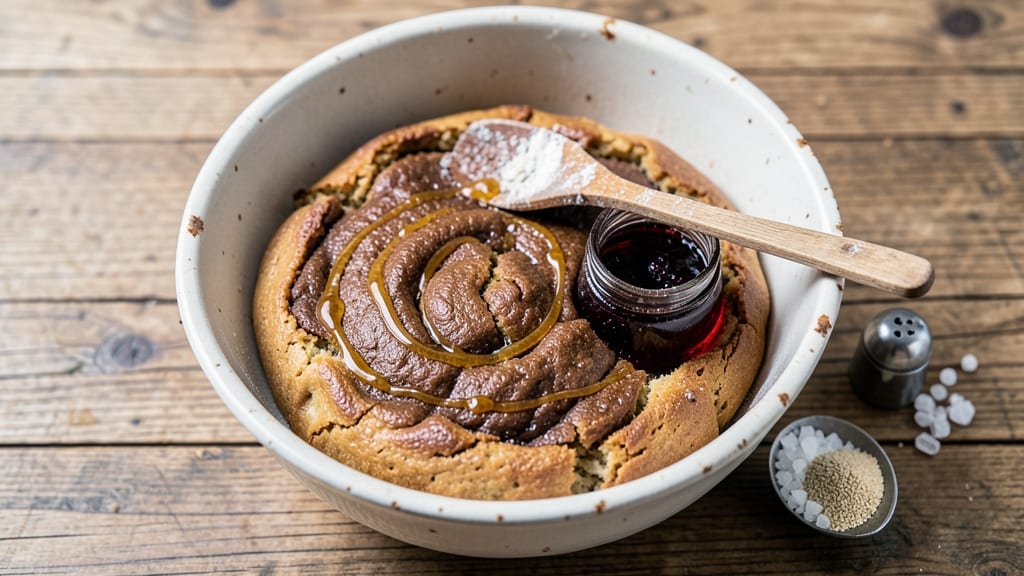
This ale bread recipe transforms simple ingredients into a rich, malty loaf with a crisp crust and tender interior—no kneading required. The beer's natural sweetness and depth infuse every bite, creating a flavor profile that pairs perfectly with soups, stews, or buttery spreads.
I developed this recipe after years of experimenting with beer-infused doughs, and the results speak for themselves: a bread so flavorful, it becomes the star of any meal.
The secret lies in the no-knead method, which allows the ale's enzymes to break down gluten gradually, yielding a lighter, more digestible loaf.
You'll use a mix of dark and light beer for balance—dark for depth, light for crispness—while warm water and a touch of honey activate the yeast and enhance the bread's caramel notes. The dough rests overnight, letting flavors meld and the structure develop effortlessly.
By the time it emerges from the oven, you'll have a golden, fragrant loaf with a crackly crust and a crumb so tender it melts in your mouth. The beer's malty aroma lingers, while the honey adds a subtle sweetness that complements savory dishes beautifully.
This bread isn't just a side—it's a centerpiece, worthy of any table.
Serve it warm with butter, toast it for breakfast, or use it as the base for hearty sandwiches. The possibilities are endless, but the process is simple: mix, rest, bake, and enjoy. Let's get started on a loaf that tastes like comfort and craftsmanship in every slice.
Ingredients for ale bread
Nine simple ingredients, one overnight rest, and a loaf that smells like a brewery.
| Ingredient | Amount | Notes |
|---|---|---|
| Dark Ale Beer 🍺 | 1 ½ cups | Room temperature, 6-8% ABV |
| Light Lager Beer 🍺 | ½ cup | Room temperature, 4-5% ABV |
| All-Purpose Flour 🌾 | 4 cups | Bread flour preferred for chewier texture |
| Granulated Honey 🍯 | 2 tbsp | Wildflower or clover preferred |
| Active Dry Yeast 🍞 | 1 tsp | Ensure it's fresh (test in warm water) |
| Kosher Salt 🧂 | 1 ½ tsp | Diamond Crystal preferred |
| Unsalted Butter 🧈 | 2 tbsp | Melted, full-fat for richness |
| Warm Water 💧 | 1 ½ cups | 105-110°F for optimal yeast activation |
| Cornmeal 🌽 | 2 tbsp | For dusting the baking sheet |
The beers are the soul of this bread. Local craft breweries often have great options—look for a dark ale with caramel or chocolate notes (like a stout or porter) and a crisp lager for balance. Sam Adams Boston Lager or Guinness work well if you're stuck with store-bought. The yeast? Always check the expiration date—if it doesn't foam in warm water within 5 minutes, toss it. Honey should be liquid at room temp; if yours is crystallized, warm it gently in the microwave for 10 seconds. The butter matters too—full-fat is non-negotiable for that rich flavor.
No dark ale? Substitute with extra stout or porter—just use the same total volume. Running low on bread flour? All-purpose plus 1 tbsp vital wheat gluten gets you close. The honey can be swapped for maple syrup or agave, but it'll taste slightly different. For a quicker version, you can use instant yeast instead of active dry (reduce to 0.75 tsp). The cornmeal is optional but helps create that perfect crust—skip it if you're in a rush, but don't skip the butter.
This dough is a patient one. Mix it in the evening, let it rise overnight, and bake in the morning for that perfect crust. Store leftovers wrapped in a clean kitchen towel for up to 3 days—the crust stays crisp best this way. For longer storage, freeze slices wrapped in parchment for up to 3 months. Reheat in a 350°F oven for 5-7 minutes to revive that fresh-from-the-oven aroma. Trust me, the first slice out of the freezer will have you questioning why you ever bought store-bought bread.
Why You'll Love This Recipe
- No Yeast Stress: I’ve made this bread so many times I could do it blindfolded—just mix, let it rise, bake. The yeast wakes up fast in that warm beer, so you’re not waiting around forever. Honestly, my lazy Sundays now include this loaf without a second thought.
- Beer-Kissed Magic: That dark ale and honey? It’s like a caramelized hug in every bite. The lager keeps it light, but the ale adds this deep, malty richness that turns plain toast into something special. My kids still steal slices from the fridge—no shame.
- Weeknight Workhorse: Toss it in a Dutch oven, bake it, and you’ve got dinner covered. Thinly slice it for sandwiches, cube it for salads, or just eat it straight. I’ve even used stale pieces to make croutons—zero waste, all flavor.
- Budget-Friendly Luxury: You’re using pantry staples and beer you’d drink anyway. A single batch stretches to feed four for days, and the honey keeps it from drying out. Between us, this bread costs less than half what store-bought artisan loaves do—and tastes better.
Step-by-step instructions for ale bread recipe
Here's how to make this rich, malty beer bread with minimal effort.
Activate the Yeast with Beer Mixture
In a large mixing bowl, combine the 1.5 cups dark ale beer and 0.5 cup light lager beer. Stir in the 2 tbsp granulated honey and 1.5 cups warm water (105-110°F) until fully dissolved. Sprinkle the 1 tsp active dry yeast over the surface and let sit for 5-7 minutes until frothy.
This step is crucial because the beer's acidity and sugars create the perfect environment for yeast activation. You'll see bubbles forming and a foamy head develop—this tells you the yeast is alive and working. If it doesn't foam, your yeast might be old or the water too hot. Here's where it gets fun: the beer's maltiness will infuse the dough, giving your bread that distinctive malty flavor.
Mix and Hydrate the Dough
Add the 4 cups all-purpose flour and 1.5 tsp kosher salt to the yeast mixture. Stir with a wooden spoon until a shaggy dough forms. Drizzle in the 2 tbsp melted unsalted butter and mix until fully incorporated. The dough will be sticky—this is normal because beer makes for a wetter dough than water-based recipes.
Let the dough rest for 10 minutes while you prep your baking sheet. This brief rest helps the flour absorb the liquid and makes the dough easier to handle. I like to use a silicone spatula to scrape up any dough stuck to the bowl—every bit counts for that perfect loaf. The sticky texture is what gives this bread its moist, tender crumb, so don't be tempted to add extra flour here.
Shape and Proof the Dough
Lightly dust a clean surface with flour and transfer the dough. Gently fold and stretch the dough to form a rough rectangle about 8x10 inches. Fold it in half like a letter, then fold it in half again to create a compact package. This shaping helps develop gluten and creates those beautiful layers in the final bread.
Place the shaped dough seam-side down in a greased 9x5-inch loaf pan. Cover loosely with a clean kitchen towel and let it proof at room temperature for 1-1.5 hours until it rises about 1 inch above the pan and looks puffy. The beer dough rises slower than regular dough, so patience is key here. You'll know it's ready when you poke it gently and the dough springs back slowly.
Bake to Golden Perfection
Preheat your oven to 375°F. Sprinkle 2 tbsp cornmeal evenly over the top of the dough—this creates that beautiful crust we're after. Bake for 35-40 minutes until the bread is deep golden brown and sounds hollow when tapped on the bottom. The cornmeal crust gives it that rustic, artisanal look while keeping the interior moist.
For the best results, I like to bake this bread on the middle rack where heat circulates evenly. If the top browns too quickly, tent it loosely with foil. The internal temperature should reach 190-200°F when done. Let it cool in the pan for 10 minutes before transferring to a wire rack—this prevents the bread from collapsing as it cools.
Pro Tips For Making Ale Bread
- WEIGH YOUR FLOUR: Beer dough is finicky—measuring cups leave too much room for error. Use a kitchen scale for the flour and weigh it to the gram. I learned this the hard way after making two batches where the dough either collapsed or stayed too dense. For this recipe, aim for 500 grams of all-purpose flour—no more, no less.
- WARM THE BEER FIRST: Cold beer kills yeast faster than you’d think. Pour the dark ale and lager into a clean bowl and let it sit for 10 minutes at room temperature before mixing with the yeast. I used to skip this, and my dough would take twice as long to rise—or worse, never rise at all. Just a little warmth makes a real difference.
- DON’T OVER-KNEAD: This dough is delicate. Once the yeast is activated and the flour is fully incorporated, knead just until smooth—about 3-4 minutes by hand or 2 minutes in a stand mixer. Overworking it develops too much gluten, and your bread will turn out dense instead of light and airy. I’ve ruined batches by going overboard, so resist the urge to "perfect" it.
- USE HONEY LAST: Mix the granulated honey into the dough after the yeast has had a chance to activate. Adding it too early can spike the sugar levels and slow down fermentation. Sprinkle it in during the final knead, and your bread will rise more evenly. Trust me, this small tweak keeps the texture just right.
Creative variations of this dish
Sweet & Spiced Twist
Add 1 tsp cinnamon and ½ tsp cardamom to the flour mixture for a warm, aromatic variation. A drizzle of 2 tbsp maple syrup in place of honey enhances the sweetness, making this perfect for breakfast toast or dessert pairings with whipped cream.
I love this version with a smear of brown butter—the caramelized notes complement the beer's maltiness beautifully. 🌟
Herb-Infused Rustic
Chop 2 tbsp fresh rosemary and 1 tbsp fresh thyme finely, then mix into the dough before shaping. The herbs add an earthy depth that pairs wonderfully with roasted meats or grilled vegetables.
For extra richness, replace 2 tbsp of the beer with 2 tbsp white wine vinegar—this adds a subtle tang that cuts through the herbs' intensity. Let the dough proof uncovered for the last 30 minutes to develop stronger herb aromas.
Whole Grain Hearty
Replace 1 cup all-purpose flour with 1 cup whole wheat flour for a nuttier, denser loaf. Add ¼ cup chopped walnuts or pecans for texture and crunch. This version holds up better for sandwiches and adds fiber, making it a heartier option.
I recommend using whole grain mustard in place of honey for a tangy contrast that balances the beer's sweetness. Toast the nuts lightly before mixing to enhance their flavor.
Cheesy Beer Loaf
Fold 1 cup shredded sharp cheddar into the dough after the initial mixing but before shaping. The cheese melts into the bread during baking, creating pockets of gooey goodness.
For a smokier flavor, swap ½ cup of the dark ale with ½ cup stout beer—the roasted malt notes pair perfectly with the cheese. This version is ideal for hearty soups or as a side for burgers. 🧀
Overnight Sourdough Hybrid
For a tangier, more complex flavor, replace ½ cup of the beer with ½ cup active sourdough starter (fed and bubbly). This creates a hybrid loaf with both beer's maltiness and sourdough's depth. Let the dough ferment at room temperature for 12-14 hours before baking.
The longer fermentation develops more flavor, but the texture remains tender. This version is perfect for those who love artisanal bread with a twist.
Gluten-Free Adaptation
Use a 1:1 gluten-free flour blend (like Bob's Red Mill) and add 1 tbsp xanthan gum to mimic gluten's structure. Replace the beer with 1.5 cups gluten-free beer (check labels for compatibility) or use 1.5 cups gluten-free ale substitute.
The dough will be stickier, so use a silicone scraper to handle it. Bake in a 375°F oven for 40-45 minutes, as gluten-free bread requires longer baking to achieve the same texture. 💪
Nutrition facts
Frequently asked questions
Why does my ale bread turn out dense instead of light and airy?
The beer's liquid content and fermentation process require patience. If your dough rises too quickly or you overhandle it, the gluten develops excessively, creating a dense loaf. Let the dough rest for the full 10 minutes after mixing, and proof it until it's just about 1 inch above the pan. The beer's alcohol content also slows fermentation, so don't rush the process—this bread needs time to develop its signature texture.
Can I use any type of beer for this recipe?
While you can experiment, the best results come from balancing flavors: use a dark ale (like stout or porter) for depth and a light lager (like pilsner) for crispness. Avoid heavily hopped IPAs—they can make the bread bitter. If you're short on options, a wheat beer or amber ale works well, but adjust the honey to 3 tbsp to balance the sweetness.
How do I store ale bread to keep it fresh?
Wrap the cooled loaf in a clean kitchen towel and store it at room temperature for up to 3 days—this preserves the crust's crispness. For longer storage, slice the bread and freeze it in an airtight container for up to 3 months. To revive, reheat slices in a 350°F oven for 5-7 minutes or toast them in a dry skillet. The beer's moisture content means it won't last as long as water-based breads, but the flavor only improves over time!
What’s the best way to reheat stale ale bread?
For a crispy crust, place slices directly on the oven rack and bake at 375°F for 3-5 minutes. For a softer texture, wrap the bread in foil and warm at 300°F for 8-10 minutes. A quick fix? Toast slices in a dry skillet over medium heat for 1-2 minutes per side—this restores the crust while keeping the interior tender. The beer's residual moisture makes it reheat beautifully!
Can I make ale bread without a loaf pan?
Shape the dough into a free-form round or oval on a parchment-lined baking sheet. Sprinkle with cornmeal or semolina for texture. Bake at 375°F for 30-35 minutes until golden. For extra crustiness, brush the top with melted butter after 20 minutes. This method works well for rustic-style bread—just expect a slightly denser crumb since the sides won’t expand as much.