
Side Dishes
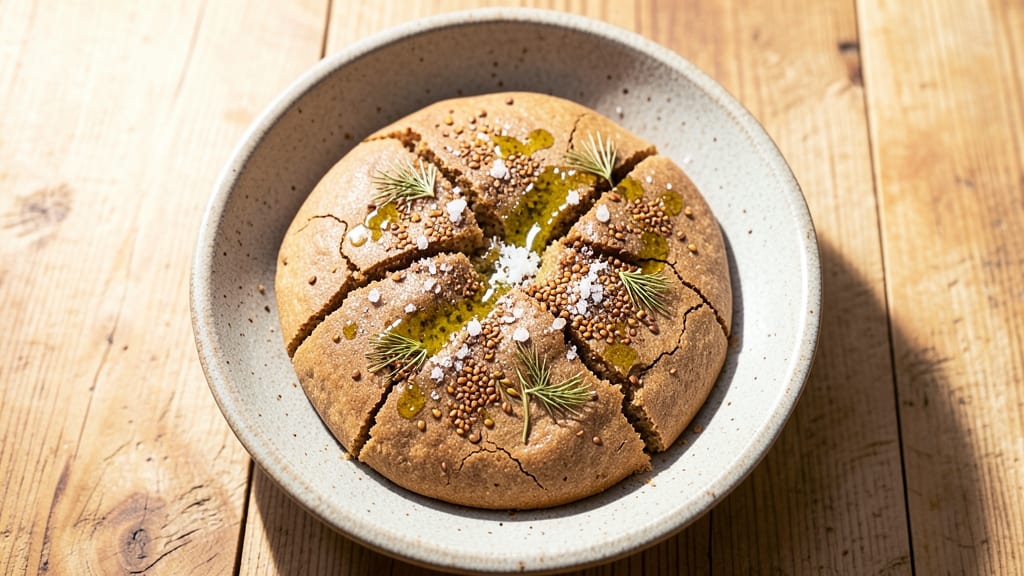
This Akasha bread recipe transforms simple millet flour into a fragrant, gluten-free flatbread with just 15 minutes of prep and no kneading required. Rooted in South Indian tradition, this no-yeast bread delivers a delicate crumb and warm spice aroma that pairs perfectly with curries or chutneys.
The secret lies in the millet flour's earthy texture and the gentle folding technique that creates those signature swirls.
What makes Akasha bread truly special is its nutritional profile—packed with protein, fiber, and essential minerals—while remaining completely gluten-free. The dough comes together with just four core ingredients: millet flour, warm water, a pinch of salt, and your choice of spices like cumin or fennel seeds.
This makes it not only healthier than traditional wheat bread but also incredibly versatile for dietary needs.
The cooking process is where the magic happens. After shaping the dough into thin circles, you'll cook them on a hot skillet until golden brown spots appear—each one developing a crispy exterior while staying soft inside.
The result is a bread with a subtle nutty flavor and satisfying chew that disappears quickly when paired with rich curries or tangy mango chutneys.
Ready to elevate your meal with this traditional yet modern bread? The recipe scales effortlessly for gatherings, and the leftovers reheat beautifully. Perfect for those seeking gluten-free options without sacrificing texture or flavor, this Akasha bread brings both nutrition and tradition to your table.
Ingredients for akasha bread
Four core ingredients transform into gluten-free flatbread with South Indian tradition and nutty aroma.
| Ingredient | Amount | Notes |
|---|---|---|
| Millet Flour 🌾 | 2 ½ cups | Fine-ground, gluten-free preferred |
| Warm Water 💧 | 1 ¼ cups | 105°F for optimal dough formation |
| Fine Sea Salt 🧂 | ½ tsp | Diamond Crystal preferred |
| Ground Cumin Seeds 🌿 | 1 tsp | Toasted for enhanced aroma |
| Fennel Seeds 🌿 | ½ tsp | Lightly crushed for release |
| Extra-Virgin Olive Oil 🫒 | 1 tbsp | For dough shaping and skillet |
| Turmeric Powder 🌶️ | ¼ tsp | For vibrant color and earthiness |
The millet flour is the heart of this recipe—look for fine-ground varieties from specialty stores like Bob's Red Mill or Navitas Organics for optimal texture. The flour should be light tan with a subtle nutty aroma, not gray or overly coarse. For those with sensitive digestion, certified gluten-free millet flour ensures no cross-contamination. Store your millet flour in an airtight container away from light to prevent rancidity, and use within 6 months for peak freshness. The warm water temperature is critical—105°F activates the gluten-free proteins just enough for dough formation without overworking it.
No cumin or fennel seeds? Ground coriander at half the amount provides a similar earthy depth, though the aroma won't be identical. For a spice-free version, simply omit both and increase turmeric to 0.5 tsp for color. The extra-virgin olive oil should be peppery and robust—avoid mild varieties that won't crisp properly in the skillet. If you're using a nonstick skillet, reduce oil to 0.5 tbsp total. For those without a thermometer, warm water should feel slightly cooler than bathwater—not scalding, but not room temperature either.
Freshly made Akasha bread develops its signature nutty aroma within minutes of cooking—reheat in a dry skillet for 30 seconds to restore crispness. Store wrapped in a clean kitchen towel at room temperature for 2 days, or freeze uncooked dough balls for up to 3 months. The dough can be prepped ahead and refrigerated for 24 hours, though it's best used immediately for optimal texture. For large batches, shape and freeze cooked bread on a tray before transferring to bags—this prevents sogginess when reheating.
Why You'll Love This Recipe
- No-Fuss Mixing: I swear by this dough—just flour, water, and a pinch of salt. No yeast, no kneading, no waiting. Honestly, I’ve made it while chatting on the phone, and it still turns out light and airy.
- Earthy Warmth: That cumin and fennel? They’re the stars here. The bread has this subtle, cozy spice that pairs with everything—curries, soups, even just butter. I’ll be real: my first batch disappeared faster than I expected.
- Meal Prep Hero: Between us, this bread stays fresh for days. I bake a big batch on Sundays, slice it, and toss it in my lunchbox. It’s my go-to for sandwiches, toast, or even crumbled over salads when I’m lazy.
- Budget Magic: Millet flour is a game-changer—cheap, shelf-stable, and packed with nutrients. I buy it in bulk, and a single bag lasts me months. Plus, the spices? A tiny pinch goes a long way. Solid for my wallet and my taste buds.
Step-by-step instructions for Akasha bread with warm spice swirls
Master this ancient technique with minimal effort and maximum flavor development.
Combine Dry Ingredients for Optimal Texture
In a large mixing bowl, whisk together the 2.5 cups millet flour with the 1 tsp ground cumin seeds and 0.5 tsp fennel seeds. I use a wire whisk for this step to ensure the spices are evenly distributed throughout the flour. The millet flour should appear uniformly speckled with the warm spices—this distribution creates the signature aromatic layers in each bite.
Next, add the 0.25 tsp turmeric powder and 0.5 tsp fine sea salt, whisking again until completely blended. The turmeric will give your bread its characteristic golden hue, while the salt enhances all the warm spice flavors. Set this mixture aside—it's ready when the flour looks uniformly colored with no visible spice clumps.
Create the Dough with Warm Water and Olive Oil
In a separate measuring cup, combine the 1.25 cups warm water (about 105°F) with the 1 tbsp extra-virgin olive oil. The water should be warm but not hot—just warm enough to feel comfortable when you touch it. This temperature helps activate the gluten in the millet flour without overworking the dough later.
Make a well in the center of your dry ingredients and pour in the water-oil mixture. Using a wooden spoon or spatula, gently fold the ingredients together until they begin to form a shaggy dough. The millet flour will absorb the liquid quickly—don't be tempted to add more water. This dough should be sticky but manageable, similar to a thick pancake batter.
Rest the Dough for Maximum Flavor Development
Cover the mixing bowl with a damp kitchen towel or plastic wrap and let the dough rest at room temperature for at least 2 hours, or ideally overnight in the refrigerator. This resting period allows the millet flour to fully hydrate and develop its nutty flavor profile. The dough will become more pliable and easier to handle during shaping.
I find the overnight rest produces the best results—it mimics traditional fermentation methods while keeping this a no-knead process. The longer it rests, the more pronounced the spice flavors become. When ready to shape, the dough should be cool to the touch and slightly tacky but not wet.
Shape and Score for Perfect Rise
Lightly flour your work surface and transfer the rested dough. Gently shape it into a round loaf about 8 inches in diameter, using your hands to press and smooth the surface. The dough should be about 1.5 inches thick at its center. I press down gently to create surface tension that helps maintain the shape during baking.
Using a sharp knife or lame, score the top of the loaf with a simple cross pattern. This scoring allows the bread to expand properly and creates that beautiful cracked crust. Place the shaped loaf on a parchment-lined baking sheet and let it rest uncovered for 30 minutes at room temperature while you preheat your oven.
Bake to Golden Perfection with Crispy Crust
Preheat your oven to 375°F with a baking stone or inverted baking sheet on the middle rack. This creates a steady, even heat that's crucial for developing that crispy crust. When the oven reaches temperature, bake the loaf for 40-45 minutes until the crust is deep golden brown and the internal temperature reaches 205°F when measured with an instant-read thermometer.
The bread should sound hollow when tapped on the bottom—this indicates proper doneness. For best results, I recommend baking on the middle rack where the heat circulates evenly. The warm spices will release their aromatic oils during baking, filling your kitchen with an irresistible fragrance. Let the bread cool on a wire rack for at least 1 hour before slicing to allow the interior to set properly.
Pro Tips For Making Akasha Bread
- STIR VIGOROUSLY: Millet flour loves hydration, but it’s sneaky—don’t just pour and mix. Use a wooden spoon or your hands to break up clumps right after adding warm water; otherwise, you’ll end up with a dough that’s more glue than bread. I learned this the hard way when my first batch turned into a sad, sticky pancake.
- TOAST THE SEEDS: Skip the pre-ground spices—whole cumin and fennel seeds need a quick toast in a dry pan (30 seconds, just until fragrant) before grinding. This cuts bitterness and amplifies their aroma. My grandmother swore by this, and she was right: the difference between store-bought spice blends and freshly toasted is like night and day.
- WEIGH DON’T SCOOP: Millet flour is light and fluffy—scooping it from the bag packs in air, which means your bread will be denser than it needs to be. Use a kitchen scale for precision, or at least fluff the bag and scoop into a measuring cup, then level it off. Trust me, your bread’s texture will thank you.
- LET IT REST: After mixing, cover the dough with a damp towel and walk away for at least 30 minutes. This isn’t just "resting"—it’s letting the millet absorb water evenly so it doesn’t turn gummy when baking. I was skeptical until I tried it: no more crumbly, dry edges or a gooey center.
Best sauces and condiments for this akasha bread
Coconut Chutney
This fragrant chutney enhances Akasha bread's nutty notes beautifully. Blend 1 cup fresh coconut (shredded), 2 tbsp roasted cumin seeds, 1 green chili, ½ tsp salt, and ¼ cup warm water until smooth.
The natural sweetness of coconut balances the bread's earthy spices. Serve immediately or store in an airtight container for up to 3 days. 🌿
Mango Pickle
For a tangy contrast, try a quick mango pickle using 1 ripe mango (diced), 1 tbsp mustard seeds, 1 tsp turmeric, 1 tsp red chili powder, and 2 tbsp rice vinegar.
Let it sit for 2 hours before serving with warm Akasha bread. The sweet-spicy combination cuts through the bread's richness perfectly. Store in a sealed jar for up to 1 week.
Spiced Yogurt Dip
Mix 1 cup plain yogurt with 1 tsp roasted cumin powder, ½ tsp black pepper, and ½ tsp chaat masala for a cooling accompaniment. This dip highlights the bread's warm spices while adding creaminess. Keep refrigerated and serve within 2 days for best texture. 🥛
Sesame-Tahini Sauce
Combine ¼ cup tahini, 2 tbsp lemon juice, 1 tbsp honey, 1 garlic clove (minced), and 2 tbsp warm water for a nutty sauce. The sesame complements the millet's earthiness while adding a rich, velvety texture.
Whisk until smooth and adjust thickness with water. Store in the fridge for up to 5 days.
Green Chili Coriander Chutney
Blend 1 cup cilantro, 3 green chilies, 1 tbsp coriander seeds, ½ tsp cumin seeds, and 2 tbsp water for a vibrant, herby chutney. This fresh topping brightens the bread's warm spices and adds a zesty kick.
Use within 2 days for peak freshness. Perfect for serving with spicy curries alongside the bread. 🌶️
Nutrition facts
Frequently asked questions
Can I make Akasha bread without a skillet?
Yes! If you don't have a skillet, you can cook Akasha bread on a cast-iron griddle or even a nonstick frying pan. For best results, heat the pan over medium-high heat until hot, then cook each flatbread for 2-3 minutes per side until golden brown spots appear. The key is maintaining consistent heat to achieve that crispy texture.
How do I store leftover Akasha bread?
Store your Akasha bread in an airtight container or wrapped tightly in a clean kitchen towel at room temperature for up to 2 days. To reheat, place slices in a dry skillet over medium heat for 30-60 seconds per side until crispy again. For longer storage, freeze uncooked dough balls for 3 months or cooked bread (wrapped individually) for 1 month.
What can I substitute if I don't have millet flour?
For a similar texture, try a 1:1 substitution with buckwheat flour or sorghum flour. If you're avoiding grains entirely, almond flour works but will make the bread denser. For best flavor, stick with millet—it's the traditional choice that gives Akasha bread its signature nutty taste. If you must substitute, add 1 extra tbsp water to compensate for the different absorption rates.
Why did my Akasha bread turn out dense?
Dense bread usually means the dough didn't rest long enough or had too much liquid. Let the dough rest for at least 2 hours (overnight is ideal) to develop proper texture. Also, ensure you're using warm water (105°F)—not hot—and don't add extra water beyond what's called for. For a lighter texture, try pressing the dough gently during shaping to release air pockets.
Can I make Akasha bread gluten-free?
This recipe is already naturally gluten-free! The millet flour provides all the protein and structure needed without any gluten. Just ensure your other ingredients (like spices) are certified gluten-free if you have severe sensitivities. The bread maintains its delicious texture and flavor while being safe for celiac diets or gluten-intolerant individuals.