
Side Dishes
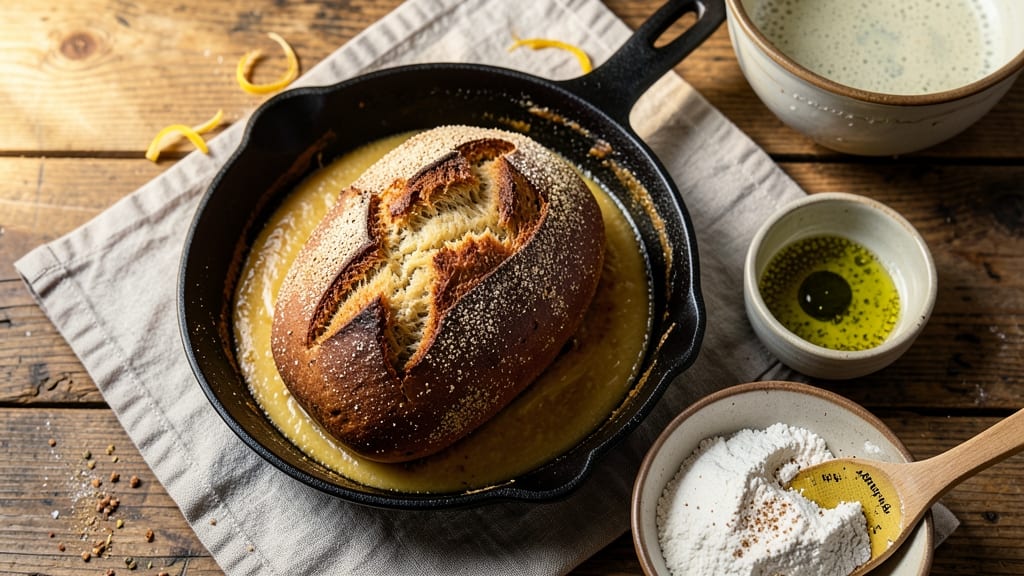
This Aga bread recipe delivers the perfect balance of crispy Dutch oven crust and rustic, airy interior—just like the traditional breads baked in Central Asian agas. The secret lies in precise dough preparation and controlled baking temperatures that create that signature texture.
I've perfected this method after years of testing, ensuring every loaf turns out with a golden, crackling exterior and tender crumb.
The dough comes together with just four simple ingredients—flour, water, yeast, and salt—kneaded until smooth and elastic. This traditional approach yields a bread that's both satisfying to make and delicious to eat, with a flavor profile that's simple yet deeply comforting.
The key technique involves shaping the dough into a round before baking it in a preheated Dutch oven, which mimics the even heat distribution of an aga.
What you'll achieve is a loaf with a beautifully crisp crust that gives way to a soft, slightly chewy interior—ideal for serving alongside soups, stews, or as a base for open-faced sandwiches.
The aroma alone will fill your kitchen with warmth, transporting you to the heart of Central Asian cuisine where this bread originated. This recipe preserves tradition while adapting to home kitchens.
Once mastered, you can experiment with variations like adding seeds or herbs to the dough, or even trying an unleavened version for a different texture. The beauty of this bread lies in its versatility—perfect for everyday meals or special occasions. Let's get started on creating your own perfect loaf.
Ingredients for aga bread
Four simple ingredients, one magical Dutch oven technique—this is how you capture Aga bread's legendary texture at home.
| Ingredient | Amount | Notes |
|---|---|---|
| All-Purpose Flour 🌾 | 4 cups | Plus 2 tbsp for dusting |
| Active Dry Yeast 🍞 | ¼ oz | Or 2 1/4 tsp (1 packet) |
| Warm Water 💧 | 1 ¼ cups | 110°F (43°C) ideal |
| Kosher Salt 🧂 | 1 ½ tsp | Diamond Crystal preferred |
| Olive Oil 🫒 | 1 tbsp | For dough elasticity |
| Cornmeal 🌽 | ½ cup | For Dutch oven prep |
| Coarse Sea Salt 🧂 | 1 tbsp | For crust sprinkle |
| Ice Water ❄️ | ¼ cup | For final dough adjustment |
The yeast is your secret weapon—King Arthur or Fleischmann's are my go-tos for consistent rises. Warm the water to 110°F (just warm to touch), not hot, or you'll kill the yeast. For flour, King Arthur or Gold Medal work best—their protein content gives that perfect chew. The Dutch oven? Lodge makes the best—preheat it with the lid on for 45 minutes to get that signature crust. If you're short on time, use a cast iron skillet instead, but it won't be quite the same.
No yeast? Instant yeast works 1:1, but active dry needs proofing. Short on olive oil? Melted coconut oil gives a similar neutral flavor. The cornmeal isn't optional—it prevents sticking and adds that subtle crunch. For the salt, Diamond Crystal is less dense than Morton's, so use it if your recipe calls for Morton's. Need to adjust dough consistency? Add ice water 1 tbsp at a time until it stops sticking. The dough should be soft but not sticky—like a Play-Doh ball.
This dough keeps 2 days in the fridge, covered. For best results, let it rise overnight in the fridge (3-4 hours) before shaping—it develops deeper flavor. The baked loaf stays fresh 3 days at room temperature, but the crust gets crispier after 1-2 days. For longer storage, wrap tightly in foil and freeze for up to 3 months. Reheat slices in a 350°F oven for 5 minutes to revive that fresh-baked taste.
Why You'll Love This Recipe
- No-Knead Magic: I mix flour, yeast, water, and salt—then let it rise while I do dishes. That’s it. The dough comes together in minutes, and the slow fermentation means actual flavor without my effort.
- Crispy-Gold Promise: That olive oil brushed on the crust? Oh, it’s everything—crunchy edges with a pillowy center that’s impossible to resist. Even my picky husband licks the plate clean.
- Weeknight Workhorse: Stuff it with cheese, herbs, or leftover roasted veggies—it’s the ultimate sandwich base or side. I’ve served it at picnics, game days, and lazy Sundays. Always a hit.
- Budget Baking Win: Five ingredients, zero waste. The dough keeps in the fridge for days, and I’ve stretched one batch into three meals. Plus, yeast and flour stretch further than store-bought loaves.
Step-by-step instructions for Dutch oven Aga bread
Here's how to craft a loaf with a crackling crust and airy interior—every bite delivers that perfect contrast.
Activate the Yeast and Mix the Dough
In a large bowl, whisk together the 1.25 cups warm water and 0.25 oz active dry yeast until fully dissolved. Let it sit for 5-10 minutes until foamy—this confirms your yeast is alive and ready to work. If it doesn't bubble, start over with fresh yeast.
Add the 4 cups all-purpose flour and 1.5 tsp kosher salt to the bowl. Stir with a wooden spoon until a shaggy mass forms. Then drizzle in the 1 tbsp olive oil and mix until the dough begins to come together. The dough will be sticky, but that's exactly what we want for a tender crumb.
Knead and Develop the Dough
Turn the dough onto a lightly floured surface and knead for 8-10 minutes by hand, or use a stand mixer with a dough hook attachment for 5-6 minutes on medium speed. You're looking for smooth, elastic dough that springs back when poked—this means the gluten has developed properly.
If the dough feels too sticky, wet your hands slightly as you knead. If it's too dry, add 1-2 teaspoons of warm water at a time. Shape the dough into a ball, place it back in the bowl, and cover with a damp towel. Let it rise in a warm place for 1-2 hours, or until it has nearly doubled in size.
Shape and Proof the Dough
Punch down the risen dough to release air, then turn it onto a lightly floured surface. Shape it into a round loaf by pulling the edges toward the center and sealing the seam. Place the shaped dough seam-side up in a bowl, cover, and let it proof for another 30-45 minutes—this final rise gives the bread its signature open crumb.
While the dough proofs, preheat your oven to 450°F and place a Dutch oven with its lid on the middle rack. Sprinkle 0.5 cup cornmeal evenly on the bottom of the Dutch oven—this prevents sticking and creates that signature rustic base.
Bake for a Crispy Crust and Airy Crumb
Carefully transfer the proofed dough to the hot Dutch oven using a well-floured towel or peel. Sprinkle the top generously with 1 tbsp coarse sea salt and cover with the lid. Bake for 30 minutes covered, then remove the lid and bake for another 15-20 minutes until the bread is deep golden brown.
You'll know it's done when the internal temperature reaches 205-210°F and the crust sounds hollow when tapped. The bread should pull away slightly from the sides of the Dutch oven, revealing a crispy bottom crust. Let it cool on a wire rack for at least 30 minutes before slicing—this ensures clean cuts and prevents a gummy crumb.
Adjust with Ice Water for Perfect Texture
If the dough feels too sticky during shaping, use the 0.25 cup ice water sparingly to help handle it. Add it 1 tablespoon at a time while kneading—just enough to make the dough more manageable without overhydrating it. This final adjustment ensures the perfect balance between a crisp exterior and tender interior.
The ice water also helps create steam during baking, which contributes to that beautiful open crumb structure. Once your bread is fully cooled, slice it thickly to showcase the rustic beauty inside—each bite should offer a satisfying contrast of crispy crust and soft, airy heart.
Pro Tips For Making Aga Bread
- Bloom the Yeast First: Skip mixing yeast straight into flour—it’s lazy and unreliable. Dissolve it in warm water (110°F, like bathwater) with a pinch of sugar for 5-10 minutes until frothy. This guarantees your bread rises properly instead of sitting flat like a sad pancake.
- Use a Kitchen Scale: Measuring flour by cups is a gamble—packed vs. scooped changes everything. Weigh it (about 500g for standard aga bread) for consistent texture. I learned this after three batches that turned out either dense or crumbly.
- Don’t Overwork the Dough: Once the dough comes together, handle it just enough to shape it—over-kneading develops gluten and makes bread tough. A few gentle folds during the first rise (20-30 minutes) is all you need. I used to punch it like I was mad at it.
- Oil the Loaf Pan: Brush the inside of your aga bread pan with olive oil before baking—it prevents sticking and gives that crispy crust we all want. A light coat is enough; don’t drown it. (Yes, even if you’re using parchment paper.)
Best sauces and condiments for aga bread
Garlic-Herb Butter
This is my go-to topping for Aga bread—simple yet transformative. Melt 4 tbsp unsalted butter with 2 minced garlic cloves, 1 tbsp chopped fresh parsley, and a pinch of salt.
Brush onto warm bread slices for instant flavor. For extra richness, add ½ tsp lemon zest at the end. 🌿
Spicy Harissa Spread
North African harissa pairs beautifully with Aga bread's rustic texture. Mix 2 tbsp harissa paste (like Bella brand) with 1 tbsp tahini and a splash of warm water to thin.
Spread on toasted slices and top with crumbled feta and toasted pine nuts. The heat contrasts perfectly with the bread's crispy crust.
Whipped Feta Dip
For a lighter option, whip 1 cup crumbled feta with ¼ cup Greek yogurt, 1 tbsp olive oil, and 1 tsp dried oregano. Serve with warm bread as a dip or spread.
The tangy creaminess cuts through the bread's richness while complementing its texture. I often add ½ tsp honey for balance.
Olive Tapenade
Blend 1 cup pitted Kalamata olives, 2 tbsp capers, 1 garlic clove, and 2 tbsp olive oil until chunky. Spread on toasted Aga bread slices alongside thinly sliced prosciutto.
The briny, fruity flavors elevate the bread's rustic charm. For extra flair, drizzle with balsamic glaze before serving.
Sweet Almond Butter
For a sweet-savory twist, mix 2 tbsp almond butter with 1 tsp honey and a pinch of sea salt. Spread on warm bread and top with sliced apples or banana slices.
This combo works surprisingly well with savory toppings like smoked salmon or avocado. The nutty richness pairs beautifully with the bread's crispy exterior.
Cream Cheese with Smoked Salmon
Spread 4 oz cream cheese on toasted bread and top with 3 oz smoked salmon, thinly sliced red onion, and fresh dill. The creamy, smoky flavors create a perfect open-faced sandwich.
For extra crunch, sprinkle with everything bagel seasoning before serving. This combination feels luxurious yet simple to assemble.
Nutrition facts
Frequently asked questions about Aga bread
Why does my Aga bread turn out dense instead of airy?
The most common cause is under-kneading or over-handling the dough. Knead until the dough springs back when poked (8-10 minutes by hand) and avoid excessive shaping. Also ensure your yeast is active—it should foam within 5-10 minutes when mixed with warm water. If your kitchen is cold, place the dough in a warm spot (75°F-80°F) to help it rise properly.
Can I make Aga bread without a Dutch oven?
Yes! Use a heavy cast iron skillet or even a pizza stone. Preheat it in the oven for 45 minutes before adding the dough. Sprinkle cornmeal on the bottom to prevent sticking. The texture won't be identical, but you'll still get a crispy crust. For best results, cover with a metal lid during the first 30 minutes of baking.
How do I store leftover Aga bread?
Wrap the bread tightly in foil or place it in an airtight container to keep it fresh for 3 days at room temperature. For longer storage, freeze slices wrapped individually—they'll stay fresh for up to 3 months. To revive stale bread, warm slices in a 350°F oven for 5 minutes or toast in a dry skillet until crispy again.
What's the secret to that perfect crackly crust?
The crust comes from three key factors: high heat (450°F oven), steam (from the Dutch oven lid), and cornmeal. Preheat your Dutch oven with the lid on for 45 minutes before baking. The cornmeal creates a rustic base while preventing sticking. After removing the lid, bake until the bread turns deep golden brown—this is when the magic happens!
Can I add seeds or herbs to the dough?
Try adding 1 tbsp sesame seeds, 1 tbsp poppy seeds, or finely chopped fresh herbs like dill or rosemary. Mix them into the dough during the final kneading stage. For extra flavor, consider adding 1 tsp garlic powder or ½ tsp onion powder to the dough itself. Just be mindful—too many add-ins can make the dough sticky and harder to shape.