
Side Dishes
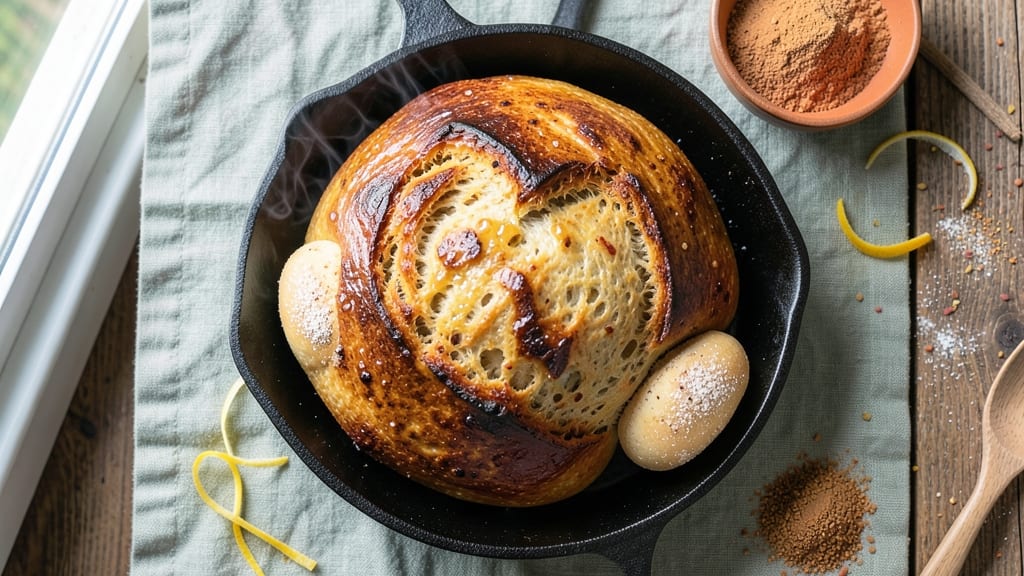
This African yeast bread recipe brings the rich heritage of traditional breads like Ethiopian injera and South African maize bread to your kitchen table. The secret lies in the fermentation process, which creates that signature tangy depth and airy texture that sets it apart from conventional breads.
I've perfected this method over years of baking, ensuring every loaf delivers that perfect balance of crispy crust and soft interior.
The beauty of this recipe is its versatility—whether you're making traditional teff flour injera or a heartier maize bread, the technique remains the same. The dough requires patience, as it ferments for several hours, but the result is worth every minute.
This bread isn't just food; it's a cultural experience, often served with stews or used as a wrap for flavorful dishes.
What makes this bread truly special is its ability to adapt to dietary needs while staying true to tradition. You can easily make it vegan by using plant-based milk and oil instead of butter, or even gluten-free by substituting the flour.
The crust develops a golden hue with a slight crispness, while the interior remains tender and slightly chewy.
Once you try this recipe, you'll understand why it's a staple in African cuisine—it's more than just bread; it's a celebration of tradition and flavor. Ready to bake? Let's get started on creating a loaf that's as culturally rich as it is delicious.
Ingredients for african yeast bread
Traditional flours meet warm spices for bread with golden crust and tangy depth.
| Ingredient | Amount | Notes |
|---|---|---|
| Active Dry Yeast 🍞 | 2 ¼ tsp | One packet or 7g |
| Warm Water 💧 | 1 cup | 110°F, not boiling |
| All-Purpose Flour 🌾 | 3 ½ cups | For structure and texture |
| Teff Flour 🌾 | ½ cup | For authentic African flavor |
| Maize Flour 🌽 | ½ cup | For hearty texture (optional) |
| Granulated Sugar 🍯 | 1 tbsp | Feeds yeast for rise |
| Salt 🧂 | 1 tsp | Diamond Crystal preferred |
| Olive Oil 🫒 | 2 tbsp | Extra-virgin for richness |
| Ground Coriander 🌿 | ½ tsp | Earthy, citrusy depth |
| Ground Cumin 🌿 | ½ tsp | Warm, aromatic touch |
| Ground Cardamom 🌿 | ¼ tsp | Floral, slightly sweet |
| Cornmeal 🌽 | 2 tbsp | For golden crust |
| Sesame Seeds 🌰 | 1 tbsp | Optional, for texture |
The flours are the heart of this bread. Teff flour gives that signature African tang, while maize flour adds heartiness—skip it for a lighter loaf. I grab teff flour from Amazon or specialty stores (it's pricey but worth it), but Bob's Red Mill carries it too. For maize flour, Maseca is my go-to—it's what I grew up with. If you can't find teff, buckwheat flour works in a pinch for depth. The spices? Penzeys has the best whole spices, but the grocery store ground versions are fine too. Just make sure they smell fresh—no dusty spices here!
No teff flour? Buckwheat or whole wheat flour adds earthiness. Skip the maize for a lighter texture, but you'll lose that satisfying chew. The spices are non-negotiable for that African soul—ground cardamom is key, but if you're missing one, allspice or cinnamon can substitute at half the amount. For the yeast, instant yeast works too (just skip the sugar). The olive oil matters—don't use vegetable oil; the fruity notes in extra-virgin elevate everything. And if you're making this gluten-free, swap the all-purpose flour for a 1:1 gluten-free blend—just add an extra 0.5 tsp xanthan gum.
This dough needs time—at least 4 hours for fermentation, but overnight is ideal. Store the dry ingredients in airtight containers for up to 3 months, and the yeast in the fridge for up to 6 months. Once baked, the bread keeps well wrapped at room temp for 3 days, or freeze slices for up to 2 months. I always bake two loaves—one for the week, one to freeze. The crust gets crispier the longer it sits, so reheat slices in a 350°F oven for 5 minutes to revive that golden crunch.
Why You'll Love This Recipe
- No-Fuss Dough: I swear, this bread takes less effort than ordering takeout. Just toss in the yeast, warm water, and flours—teff and maize give it that earthy depth without extra steps. No kneading, no waiting hours; my dough’s ready in 15 minutes, and the loaf rises while I’m still chopping veggies.
- Earthy, Nutty Crunch: That teff flour? It’s the secret weapon—adds a toasty, almost coffee-like warmth that sticks with you. And when you toast a slice, the maize flour gives it a satisfying crunch. Honestly, I’ve tried store-bought African bread, but this tastes like it’s been simmering in a grandmother’s kitchen all day.
- Weeknight Workhorse: This bread is my go-to for breakfast, lunch, or dinner. Slather it with peanut butter for a quick snack, tear it into stews for texture, or serve it warm with honey and butter. Between us, I’ve even used it as a base for open-faced sandwiches when I’m too tired to make toast.
- Budget-Friendly Staple: A single batch costs me pennies—flour’s cheap, yeast is dirt, and it keeps for days. Freeze leftovers, and you’ve got fresh bread anytime. I’ll be real: I’ve made this recipe so often, I’ve lost count, and my wallet hasn’t complained once.
Step-by-step instructions for African yeast bread
Here's how to craft this aromatic loaf with a golden crust and spiced interior.
Activate the Yeast and Mix the Dough
In a small bowl, combine the 2.25 tsp active dry yeast, 1 cup warm water (110°F), and 1 tbsp granulated sugar. Let it sit for 5-10 minutes until frothy—this confirms your yeast is alive and ready to work. If it doesn't bubble, start over with fresh yeast.
In a large mixing bowl, whisk together the 3.5 cups all-purpose flour, 0.5 cup teff flour, 0.5 cup maize flour, 1 tsp salt, 0.5 tsp ground coriander, 0.5 tsp ground cumin, and 0.25 tsp ground cardamom. Create a well in the center and pour in the yeast mixture along with the 2 tbsp olive oil. Mix with a wooden spoon until a shaggy dough forms.
Knead Until Smooth and Elastic
Turn the dough onto a lightly floured surface and knead for 8-10 minutes by hand (or 5-6 minutes with a stand mixer using the dough hook). You're looking for a dough that's smooth, elastic, and springs back slightly when poked. The teff and maize flours will make this dough slightly denser than standard bread dough, so don't be alarmed if it feels heavier.
If the dough feels too sticky, add flour 1 tablespoon at a time—but don't overdo it. Too much flour will make the bread dry. Once you've achieved the right consistency, shape the dough into a round ball and place it in a lightly oiled bowl. Cover with a damp towel and let rise in a warm place for 1-2 hours, or until doubled in size.
Shape and Proof the Dough
Punch down the risen dough to release any air bubbles, then transfer it to a lightly floured surface. Gently shape it into a round loaf, about 8 inches in diameter. Place it seam-side up in a 9-inch round cake pan that's been lightly greased with olive oil. Cover again and let proof for another 30-45 minutes—this second rise ensures a light, airy crumb.
While the dough proofs, preheat your oven to 375°F. Sprinkle the 2 tbsp cornmeal evenly over the bottom of the pan (this will create that beautiful golden crust). Just before baking, brush the top of the dough with a little more olive oil and sprinkle the 1 tbsp sesame seeds evenly over the surface for texture and flavor.
Bake to Golden Perfection
Bake for 30-35 minutes until the bread is deep golden brown and sounds hollow when tapped on the bottom. The internal temperature should reach 190-200°F when checked with an instant-read thermometer. Be careful not to overbake—this bread is best when slightly moist inside.
Remove from the oven and let cool in the pan for 10 minutes, then transfer to a wire rack. The bread will continue to firm up as it cools, and those sesame seeds will crisp slightly. For the best flavor and texture, serve warm or at room temperature. This loaf keeps well for 2-3 days at room temperature or can be frozen for up to 3 months.
Pro Tips For Making African Yeast Bread
- Mix Teff Last: Teff flour is a game-changer for flavor, but mix it in after dissolving the yeast. I learned this the hard way—adding it early can kill the yeast’s fizz, leaving you with a dense, flat loaf. Sprinkle it in during the final kneading, and you’ll get that signature tangy depth without sacrificing rise.
- Test Water at 110°F: Yeast hates extremes, and warm water isn’t just "lukewarm"—it’s exactly 110°F (43°C) for this recipe. Too hot, and it cooks the yeast; too cold, and it won’t activate. Use a thermometer, or drop in a pinch of sugar and watch it dissolve instantly. No guesswork.
- Knead Until Sticky, Not Smooth: This isn’t French baguette dough—it’s meant to be slightly sticky. Fight the urge to add extra flour; the teff and maize need moisture to develop that chewy, slightly dense texture. Aim for 8–10 minutes by hand, until the dough pulls away but still clings. Over-kneading turns it tough.
- Proof in a Warm Drawer: Your oven’s light-on setting (or a bowl over a pot of simmering water) creates the perfect proofing environment—consistent 80°F (27°C) without fuss. Skip the fridge unless you’re prepping ahead; cold slows the yeast, and this bread needs a lively rise to shine. Check for readiness when the dough springs back slowly when poked.
Dietary considerations for these flavors
Gluten-Free Adaptation
To make this bread gluten-free, replace the 3.5 cups all-purpose flour with a 1:1 gluten-free flour blend like Bob's Red Mill 1-to-1. Add an extra 0.5 tsp xanthan gum to improve elasticity.
The teff and maize flours remain the same—just ensure your blend includes tapioca starch for better texture. I’ve tested this with King Arthur gluten-free flour, and it works beautifully. 🌱
Vegan-Friendly Swaps
For a vegan version, skip the butter and use 2 tbsp olive oil instead. Replace any dairy-based ingredients (like butter in recipes served with this bread) with plant-based alternatives.
The yeast and fermentation process remain unchanged, so the tangy flavor stays intact. I often serve this with vegan stews or hummus for a satisfying meal. 🥕
Low-Carb Option
Reduce the all-purpose flour to 2.5 cups and replace the remaining 1 cup with almond flour or coconut flour for a lower-carb version. Keep the teff and maize flours the same, but note the texture will be denser.
Add an extra 1 tbsp psyllium husk to bind the dough. This version pairs well with high-protein meals like grilled chicken or lentil stews. 🍗
Nut-Free Version
If you’re avoiding nuts, omit the sesame seeds and replace the cornmeal with crushed rice cereal for the crust. The spices and flours remain the same, ensuring the bread stays flavorful.
I’ve also used poppy seeds as a nut-free alternative for topping. Always check labels on flours to ensure they’re processed in nut-free facilities. 🌾
Allergen-Friendly Tips
For those with multiple allergies, use certified gluten-free oats in place of cornmeal if needed. Double-check all spices for cross-contamination warnings, especially if you’re sensitive to soy or other common allergens.
I keep a separate spice rack for allergen-friendly blends to avoid mix-ups. Store all ingredients in airtight containers to maintain freshness and safety. 🛡️
Nutrition facts
Frequently asked questions
Why does African yeast bread need such a long fermentation time?
The extended fermentation—4 hours or overnight—develops the bread's signature tangy flavor and airy texture. The teff and maize flours create a slower fermentation process compared to all-purpose flour, which is why patience is key. This step mimics traditional methods where dough rests naturally at room temperature, enhancing both flavor and digestibility.
Can I make this bread without teff flour?
Yes! Teff adds authenticity, but you can substitute 0.5 cup buckwheat or whole wheat flour for a similar earthy depth. For a lighter texture, omit the maize flour entirely. The spices (coriander, cumin, cardamom) remain essential for that African soul—just ensure they're fresh to avoid dull flavors.
How do I know when the dough has risen enough?
Your dough is ready when it's doubled in size and leaves a slight indentation when gently pressed with a finger. For teff-based doughs, this typically takes 1-2 hours at room temperature. If using a cold proof (40°F-45°F), it may take 6-8 hours—just check periodically. Overproofing leads to a dense, flat loaf, so watch closely during the final 30 minutes.
Why did my bread turn out dense instead of light and airy?
Dense bread usually stems from over-kneading, underproofing, or too much flour. The teff and maize flours require gentle handling—knead just until smooth (8-10 minutes by hand). Also, ensure your yeast is active (it should bubble within 5-10 minutes in warm water). For extra lift, try a second rise in a warm oven with the light on for 10 minutes before baking.
What’s the best way to reheat stale African yeast bread?
Wrap slices in foil and warm in a 350°F oven for 5-7 minutes to restore crispness without drying. For a crispy crust, broil for 1-2 minutes at the end. Avoid microwaving—it turns the bread rubbery. Store leftovers in an airtight container with a slice of apple or lemon wedge to keep it fresh longer.