
Side Dishes
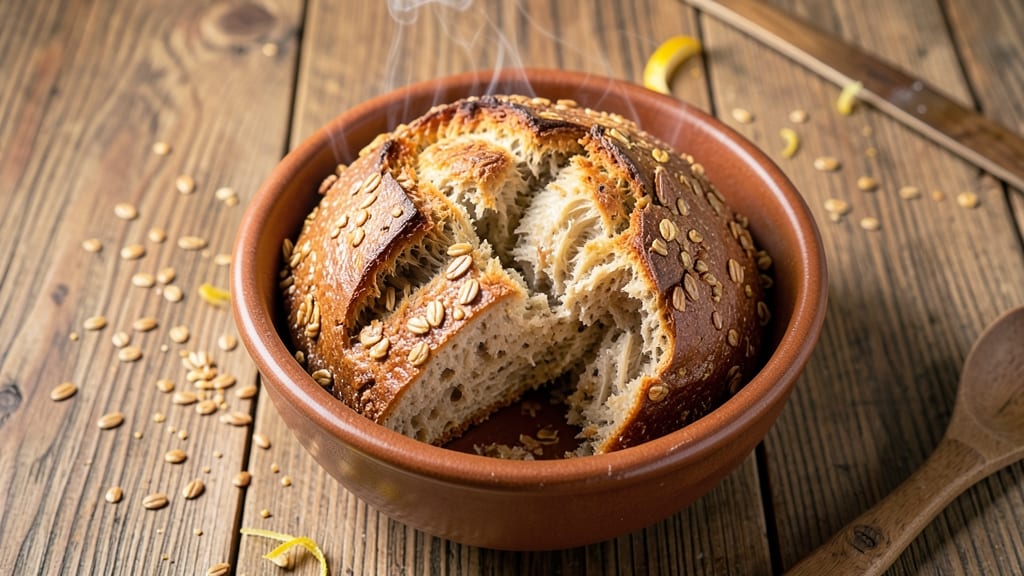
Transforming your bread recipe with wheat bran isn’t just about adding fiber—it’s about creating a nutrient-dense, heartier loaf with a satisfying chew and golden crust. The key lies in adjusting hydration and kneading techniques to balance bran’s absorbency while keeping the texture tender.
I’ve refined this method over years of baking, ensuring every slice delivers both nutrition and flavor without compromising structure.
Wheat bran transforms ordinary bread into a healthier, more substantial loaf by boosting fiber content while adding a subtle nutty depth. The trick is incorporating it gradually—too much at once can make the dough dry or dense.
For best results, replace up to 20% of the flour with bran and increase water by 10-15% to maintain elasticity. This adjustment prevents a gummy texture while enhancing the bread’s nutritional profile.
What you’ll achieve is a crusty, artisanal-style loaf with a satisfying crumb and improved shelf life. The bran’s natural oils create a richer flavor, while its fiber content keeps you full longer.
Whether toasted with butter, paired with soups, or sliced for sandwiches, this bread elevates everyday meals with effortless nutrition. Ready to bake?
This recipe adapts seamlessly to whole wheat or sourdough bases, making it versatile for any baking routine. The bran’s earthy notes complement herbs, seeds, or even a touch of honey in the dough.
For extra flair, brush the baked loaf with olive oil and sprinkle with coarse sea salt before serving. Let’s get started on a loaf that’s as good for you as it is delicious.
Ingredients for add wheat bran to bread
Four cups of flour plus bran for a loaf that’s nutritious and delicious.
| Ingredient | Amount | Notes |
|---|---|---|
| All-Purpose Flour 🌾 | 3 cups | White flour for light texture |
| Wheat Bran 🌾 | ½ cup | For extra fiber and chew |
| Active Dry Yeast 🍞 | 1 tbsp | Or 2¼ tsp for fresh yeast |
| Warm Water 💧 | 1 ¼ cups | 110°F for optimal activation |
| Granulated Sugar 🍚 | 1 tbsp | Feeds yeast for rise |
| Unsalted Butter 🧈 | ½ cup | Cold, cubed for flavor |
| Salt 🧂 | 1 ½ tsp | Kosher or sea salt |
| Extra-Virgin Olive Oil 🫒 | 2 tbsp | For dough elasticity |
| Honey 🍯 | 1 tbsp | Optional for subtle sweetness |
| Coarse Sea Salt 🧂 | 1 tsp | For crust finishing |
Wheat bran is the star here, but it’s a thirsty ingredient. Bob’s Red Mill or King Arthur brands work best—they’re finely milled and consistent. The bran absorbs more water, so I always measure it last when mixing. For the yeast, Fresh & Easy or Saf-Instant are reliable. If your kitchen’s cold, warm the water to 110°F—yeast wakes up faster. The butter should be cold to avoid over-developing the gluten. I grab Land O’Lakes unsalted from the store’s dairy case—it’s affordable and reliable.
No wheat bran? Oat bran at half the amount works in a pinch, but the flavor won’t be identical. Short on butter? Coconut oil or neutral oil keeps the dough tender, though butter’s richness is ideal. The honey’s optional, but if you skip it, add an extra ½ tsp sugar to feed the yeast. For a whole wheat version, swap 1 cup of the all-purpose flour for whole wheat pastry flour. The bran’s earthy notes pair well with flaxseeds or sesame seeds in the dough if you want extra texture.
This dough keeps best in the fridge for 24 hours before baking—let it come to room temp first. For longer storage, shape the loaf, wrap tightly in plastic, and freeze for up to 3 months. Thaw overnight in the fridge before baking. The bran’s fiber content means this bread stays fresh longer than regular loaves. I slice mine with a serrated knife for clean cuts and toast it with extra-virgin olive oil for that artisanal touch.
Why You'll Love This Recipe
- No-Fuss Mix-In: I just toss the wheat bran right into the dough—no special prep, no extra steps. The yeast handles the rest while I sip my coffee, and honestly? That’s my kind of baking.
- Nutty Crunch Surprise: The bran adds a subtle earthy bite that’s way more interesting than plain bread. It’s like a little surprise in every bite—dry, toasty, and just enough to keep things exciting.
- Leftovers That Work: This bread stays fresh for days, and if it dries out? Toss it in the toaster with a little butter. Between us, I’ve fed a crowd with one batch—no one ever complains.
- Pantry Magic: Wheat bran is cheap, shelf-stable, and turns basic flour into something heartier. I keep a bag on hand for when I want flavor without the fuss—no fancy ingredients, just solid results.
Step-by-step instructions for nutrient-packed wheat bran bread
Here's how to transform your basic loaf into a fiber-rich, hearty bread with that perfect crusty exterior.
Activate the Yeast with Warm Water and Sugar
In a small bowl, combine the 1.25 cups warm water (about 110°F) with the 1 tbsp granulated sugar and 1 tbsp active dry yeast. Stir gently and let sit for 5-10 minutes until you see plenty of bubbles forming on the surface. This tells you the yeast is alive and ready to work.
I always test the water temperature first with my finger—it should feel warm like bathwater, not hot. If it's too hot, you'll kill the yeast before it even gets started. The sugar helps feed the yeast so it can multiply and create those essential gases for a light, airy loaf.
Mix the Dough with Wet and Dry Ingredients
In a large mixing bowl, whisk together the 3 cups all-purpose flour, 0.5 cup wheat bran, 1.5 tsp salt, and 1 tbsp honey. The bran adds a nice nutty flavor and extra fiber, but it can make the dough slightly drier. That's why we're adding the honey—it helps retain moisture during mixing.
Make a well in the center and pour in the yeast mixture along with the 0.5 cup cold cubed butter and 2 tbsp extra-virgin olive oil. Using a wooden spoon or dough whisk, mix until just combined. The dough will be shaggy at first, but don't worry—it'll come together as we work it.
Knead Until Smooth and Elastic
Turn the dough onto a lightly floured surface and knead for 8-10 minutes until smooth and elastic. I like to use the "windowpane test" to check doneness—stretch a small piece of dough thin enough that you can see light through it. The bran makes this dough slightly tougher to knead than regular bread, so be patient.
As you knead, you'll notice the gluten developing and the dough becoming more cohesive. If it feels too sticky, add flour 1 tablespoon at a time until it's just right. The goal is a dough that's soft but not sticky, with a slightly tacky surface. This ensures proper gluten development for that perfect oven-spring when baking.
First Rise Until Doubled in Size
Lightly grease a large bowl with olive oil, place the dough inside, and cover with a clean kitchen towel. Let it rise in a warm place for 1-2 hours until it has doubled in size. The bran can slow down fermentation slightly, so I usually give it a bit more time than regular bread dough.
I like to place my oven light on for 5 minutes before rising to create a warm environment. You'll know it's ready when the dough feels light and springs back slowly when poked gently with a finger. If it springs back quickly, it needs more time. Patience here is key—rushing the rise will result in a dense loaf.
Shape, Second Rise, and Bake to Golden Perfection
Punch down the dough to release air, then shape it into a round loaf. Place it seam-side up in a greased 9x5-inch loaf pan. Cover again and let it rise for another 30-45 minutes until it's just about to overflow the pan. The bran gives this bread a denser texture, so it won't rise quite as dramatically as white bread.
Preheat your oven to 375°F. Brush the top of the loaf with a little water and sprinkle with the 1 tsp coarse sea salt. Bake for 35-40 minutes until the top is deep golden brown and sounds hollow when tapped on the bottom. The internal temperature should reach 190-200°F.
Let the bread cool in the pan for 10 minutes before transferring to a wire rack. The bran makes this loaf particularly good for toast or sandwiches—it holds up well and adds that satisfying chewiness. Slice while still slightly warm for the best texture.
Pro Tips For Making Add Wheat Bran To Bread
- Mix Bran Last: Wheat bran soaks up moisture like a sponge. Add it to the dry ingredients after mixing the wet and flour—this keeps your dough from turning into a sticky mess. (Yes, even if you’re impatient like me.)
- Weigh Your Bran: Scooping wheat bran by volume leads to inconsistent results. Use a kitchen scale for accuracy—1 cup of bran can weigh anywhere from 3 to 4 ounces depending on how tightly you pack it. No more guessing if your bread turns out dense or crumbly.
- Let Yeast Bloom First: Skip the "just toss it in" approach. Activate your yeast with warm water and sugar first—wait 5–10 minutes until it’s foamy before adding it to the dough. Cold water kills yeast; this step guarantees it’s ready to work.
- Use Less Water: Bran-heavy dough absorbs more liquid than regular bread. Start with 60% of the water called for in your recipe, then add more gradually until the dough just holds together. Overdoing it = gummy, sad bread. (Your future self will thank you.)
Best sauces and condiments for add wheat bran to bread
Honey Butter Glaze
This simple glaze transforms your wheat bran bread into something special. Warm 2 tbsp softened butter with 1 tbsp honey and a pinch of sea salt in a small saucepan over low heat. Brush onto warm bread slices for a sweet-savory contrast that complements the bran's nutty depth. 🍯
Garlic-Herb Olive Oil
Infuse ¼ cup extra-virgin olive oil with 3 minced garlic cloves, 1 tsp dried rosemary, and ½ tsp black pepper by heating gently for 3-4 minutes. Strain and drizzle over toasted slices. The olive oil enhances the bran's natural oils while adding aromatic complexity.
Spiced Whipped Cream
Whip ½ cup heavy cream with 1 tsp vanilla extract, ½ tsp cinnamon, and a pinch of cardamom until soft peaks form. Spread on sandwiches or serve alongside soups. The cream's richness balances the bran's earthy notes beautifully.
Smoked Paprika Aioli
Blend ½ cup mayonnaise with 1 tsp smoked paprika, 1 tsp Dijon mustard, and 1 tbsp lemon juice until smooth. Spread on toasted bread for a smoky kick that pairs perfectly with the bran's nutty undertones. 🌶️
Apple-Cheddar Compote
Simmer 1 diced apple, ¼ cup diced cheddar cheese, 1 tbsp brown sugar, and 1 tbsp apple cider vinegar until thickened. Spoon over warm bread slices for a sweet-tangy contrast that elevates every bite.
Everything Bagel Seasoning
Lightly brush warm bread with melted butter and sprinkle generously with everything bagel seasoning. The sesame seeds and poppy seeds add crunch while complementing the bran's texture. Perfect for breakfast or snacking with hummus.
Nutrition facts
Frequently asked questions
How much wheat bran can I safely add to my bread recipe?
Start with 10-20% of your total flour weight—so ½ cup bran per 3 cups flour—to avoid a dense or dry loaf. Bran absorbs more moisture, so increase water by 10-15% (about 1-2 tbsp extra) to maintain elasticity. For best results, replace no more than 25% of flour with bran.
Why does my wheat bran dough feel dry or crumbly?
Bran's high fiber content sucks up moisture, so the dough needs extra hydration. Add 1-2 tbsp more water during mixing, or replace 1 tbsp flour with olive oil for richness. Also, knead just until smooth—overworking can break down gluten and make the texture coarse.
Can I make this bread without a stand mixer?
Use a wooden spoon to mix, then knead by hand for 8-10 minutes on a floured surface. The bran makes the dough tougher, so focus on stretching and folding rather than punching. For extra strength, let the dough rest 10 minutes after mixing before final kneading.
How does wheat bran affect the bread's shelf life?
The bran's natural oils and fiber actually extend freshness! This loaf stays moist for 3-4 days at room temperature (vs. 2 days for regular bread) and freezes beautifully for 3 months. Store wrapped tightly in plastic or a bread bag to prevent drying.
What's the best way to store leftover wheat bran bread?
Wrap slices in parchment paper and store in an airtight container at room temp for 2 days, or freeze for up to 3 months. Toast from frozen works great—just add 10-15 seconds extra time. For extra crispiness, reheat slices in a 350°F oven for 3-5 minutes.