
Side Dishes
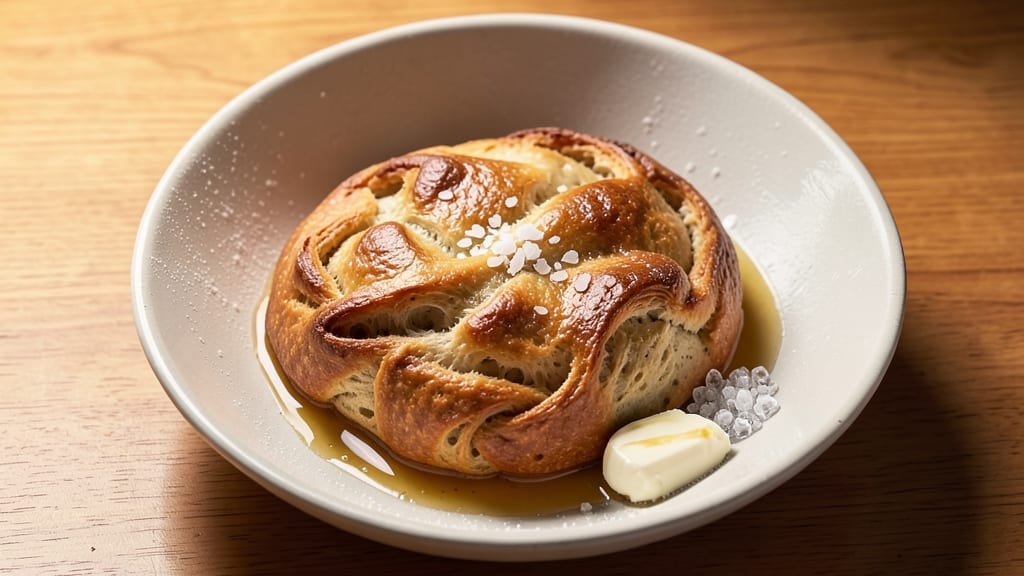
This ACMA Turkish bread recipe brings the soul of Turkish bakeries straight to your kitchen, where crispy, blistered crust meets pillowy layers in every bite. The secret lies in its no-knead magic—a technique that transforms simple flour and yeast into restaurant-quality bread without the fuss.
I've perfected this version after years of testing, ensuring the dough stretches effortlessly and bakes to golden perfection, whether in a tandoor or home oven.
The beauty of ACMA bread is its versatility—it's equally at home as a side for kebabs, a hearty breakfast companion, or even a standalone meal with olive oil and za'atar. The dough's elasticity comes from proper hydration and a slow rise, while the high-heat baking creates those signature blistered pockets.
What makes this recipe special is its balance: tender inside, crispy outside, with a texture that's impossible to resist.
What you'll achieve is bread that looks and tastes like it came from a bustling Istanbul bakery, complete with those dramatic, blistered layers that crunch satisfyingly. The process is simpler than it seems—no industrial equipment required—just patience and a few key techniques.
Whether you're serving it warm with butter or saving slices for sandwiches, this bread elevates every meal.
For those without a tandoor, a cast-iron skillet or pizza stone works beautifully, delivering that same dramatic crust. The recipe scales easily, too—perfect for feeding a crowd or freezing for later. Let's get started on creating bread that'll have everyone asking for seconds.
Ingredients for acma turkish bread
Simple ingredients transform into restaurant-style Turkish bread with crispy blisters and pillowy layers.
| Ingredient | Amount | Notes |
|---|---|---|
| All-Purpose Flour 🌾 | 5 cups | High-protein for elasticity |
| Active Dry Yeast 🍞 | ¼ oz | Or 2.25 tsp, fresh preferred |
| Granulated Sugar 🍚 | 1 tbsp | Feeds yeast activation |
| Salt 🧂 | 1 ½ tsp | Fine sea salt preferred |
| Unsalted Butter 🧈 | ½ cup | Cold, cubed for flavor |
| Warm Water 💧 | 2 ½ cups | 105-110°F for yeast |
| Olive Oil 🫒 | 1 tbsp | Extra-virgin for richness |
| Semolina Flour 🌾 | ¼ cup | For dusting and crust |
| Cornmeal 🌽 | ¼ cup | For baking surface |
| Za'atar Seasoning 🌿 | 1 tbsp | For finishing (optional) |
| Sesame Seeds 🌰 | 1 tbsp | For topping (optional) |
The flour is non-negotiable here—King Arthur or Caputo bread flour (if available) gives that signature elasticity. Bulk bins at Whole Foods or King Arthur's website are great sources for high-protein flour. Yeast is the heart of this recipe, so check the expiration date—it should be fresh and active. For the butter, Plugrá or Land O'Lakes work well, but European-style cultured butter adds extra depth if you're willing to splurge. Warm water is key: too hot kills the yeast, too cold slows it down—105-110°F is perfect. If you don't have a thermometer, let tap water sit for 10 minutes after boiling.
No high-protein flour? Add 1 tsp vital wheat gluten per cup of all-purpose flour to mimic the effect. Running short on yeast? Instant yeast works 1:1, but active dry yeast needs the sugar to activate. For a dairy-free option, replace butter with olive oil—just reduce by 1 tbsp to account for moisture. The semolina and cornmeal can be swapped for more all-purpose flour, though the crust won't be as dramatic. Za'atar is optional but worth it—look for authentic blends at Middle Eastern markets or Trader Joe's for a decent substitute. If you're feeling fancy, toast the sesame seeds before sprinkling for extra crunch.
This dough is a patient recipe—let it rise overnight in the fridge for maximum flavor. Store the dough in an airtight container with a damp towel to prevent drying. Once baked, keep bread wrapped in a clean kitchen towel at room temperature for up to 3 days. For longer storage, freeze slices wrapped in parchment—they reheat beautifully in a 350°F oven for 5-10 minutes. The blistered crust is best enjoyed fresh, but the interior stays soft for 24 hours if properly stored.
Why You'll Love This Recipe
- Pantry Staples Only: The butter, flour, and yeast I already have on hand—no specialty trips or obscure ingredients. Honestly, I’ve made this three times in a row with zero extra shopping.
- Buttery Crust Magic: That crispy, golden crust with a soft interior? The butter and sugar team up to create a texture I can’t resist. It’s the kind of bread that makes me pause mid-bite just to savor it.
- Breakfast to Dinner: Use it fresh for breakfast with jam or cheese, then toast the leftovers for lunch sandwiches. I’ve even thrown slices into soups—it’s the ultimate multi-tasker.
- Budget-Friendly Feast: A single batch stretches for days, and the cost is laughable. Between us, I’ve fed my whole family for under $5 with this—no guilt, just deliciousness.
Step-by-step instructions for ACMA Turkish bread
Master this no-knead technique for bread with a crispy crust and airy interior.
Activate the Yeast and Mix the Dough
In a large bowl, combine the 2.5 cups warm water with the 1 tbsp granulated sugar and 0.25 oz active dry yeast. Let it sit for 5-10 minutes until frothy—this confirms the yeast is alive and ready to work. If it doesn't bubble, your bread won't rise properly.
In a separate bowl, whisk together the 5 cups all-purpose flour and 1.5 tsp salt. Create a well in the center and add the yeast mixture along with the 0.5 cup unsalted butter (cut into small cubes) and 1 tbsp olive oil. Mix with a wooden spoon until a shaggy dough forms. The butter should be cold enough to maintain structure but soft enough to incorporate smoothly.
Develop the Dough for Optimal Texture
Transfer the dough to a lightly oiled surface and gently fold it over itself 8-10 times using the "stretch and fold" method. This builds gluten without overworking the dough. The goal is to create a smooth, elastic texture—not a tight, chewy ball. Cover the bowl with a damp towel and let it rest at room temperature for 1 hour.
During this time, the dough should nearly double in size. If it doesn't rise much, place it in a slightly warmer spot (like near the oven with the light on) to encourage fermentation. Overproofing here leads to dense bread, so aim for just under doubling.
Shape and Proof the Loaves
Divide the dough into 6 equal portions (about 10 oz each). On a lightly floured surface, shape each into a smooth ball by pulling the edges toward the center and tucking them under. Place the balls onto a baking sheet lined with parchment paper, spacing them 2 inches apart. Cover loosely with a damp towel and let them proof for 45-60 minutes until puffy.
For extra flavor, brush the tops with a little water and sprinkle with 1 tbsp za'atar seasoning or 1 tbsp sesame seeds (or both) before proofing. This step adds texture and aromatic depth—critical for authentic ACMA flavor. The dough should spring back slowly when gently pressed.
Bake for Crispy Crust and Pillowy Interior
Preheat your oven to 425°F with a baking stone or inverted baking sheet inside for 30 minutes. This creates steam for a crispy crust. Dust a baking peel with 0.25 cup semolina flour and transfer the proofed dough balls onto it. Brush the tops with water again for extra browning.
Bake for 15-18 minutes until the bread is deep golden brown with hollow-sounding knocks. Rotate the pan halfway through for even browning. The internal temperature should reach 190-200°F—this ensures a soft interior. If the bottom browns too quickly, slide a baking sheet underneath to prevent burning.
Cool and Serve for Maximum Enjoyment
Transfer the bread to a wire rack and let it cool for 10 minutes before slicing. This resting period prevents a gummy texture. For serving, brush the warm bread with melted butter and sprinkle with additional za'atar seasoning or sesame seeds. The contrast of crispy crust and soft interior is what makes ACMA bread unforgettable.
Store leftovers in an airtight container at room temperature for 2 days or freeze for up to 1 month. Reheat in a 350°F oven for 5-10 minutes to restore freshness. The no-knead method makes this bread approachable, but the shaping and proofing steps are where the magic happens.
Pro Tips For Making Acma Turkish Bread
- Use Warm Water for Yeast: Skip the fridge—yeast wakes up fastest in water around 105°F (40°C). I learned this the hard way by using cold water and waiting twice as long for the dough to rise. A quick microwave check (or elbow test—should feel like bathwater) guarantees your yeast won’t sulk.
- Salt the Dough Early: Mix the salt into the flour before adding yeast—this prevents overproofing. After burning a batch where the bread collapsed, I realized salt slows yeast activity, so distribute it evenly from the start. No need to stress over timing later.
- Shape Loaves Tightly: Roll the dough into a log with tension—press the seams firmly to trap gas. My first attempts looked pretty but rose unevenly. A tight shape = consistent puff, even if your oven runs hot. No fancy tools needed, just elbow grease.
- Brush Butter Cold: Use chilled unsalted butter for the final brush—it melts slower and gives that signature crisp crust. I was lazy once and used room-temp butter; the bread turned soggy. Keep a stick in the freezer for 10 minutes before using. Worth the wait.
Make-ahead tips for leftovers
Overnight Dough Prep
Save time by mixing your dough the night before and letting it rise in the fridge. After combining all ingredients and performing the initial 1-hour room-temperature rise, transfer the dough to an airtight container lined with a damp towel.
Place it in the fridge for 8-12 hours—this slow fermentation develops deeper flavor. When ready to bake, let it sit at room temperature for 1 hour before shaping and proofing. The cold rise also makes the dough easier to handle later. 🌙
Freezing Dough Balls
Shape your dough balls as directed, then freeze them on a parchment-lined tray for 1 hour until solid. Transfer the frozen balls to a ziplock bag with parchment between layers to prevent sticking.
Thaw in the fridge overnight before proofing and baking. This method works perfectly for meal prep—just pull out what you need and bake straight from frozen (add 5-7 extra minutes to baking time).
Batch Baking Strategy
Make a double batch of dough and freeze half for later use. Divide the dough into 12 portions (two batches of 6), shape 6 balls, and freeze the remaining dough in a sealed container. When ready to bake, thaw one batch while using the other immediately.
This ensures you always have fresh bread on hand without extra effort. I keep frozen dough in 1-gallon ziplock bags for easy storage.
Reheating Leftovers
For best results, reheat individual slices in a 350°F oven for 5-7 minutes on a baking sheet. Wrap slices in aluminum foil if you prefer a softer texture. Alternatively, use a toaster or toaster oven for 1-2 minutes—this restores crispiness to the crust.
Avoid microwaving as it makes the bread rubbery. Store baked bread in a paper bag at room temperature to maintain freshness longer than plastic containers.
Make-Ahead Serving Suggestions
Prep ahead for gatherings by baking extra loaves and storing them wrapped in foil at room temperature. When ready to serve, brush with melted butter and sprinkle with za'atar or sesame seeds.
For a restaurant-style presentation, arrange bread on a wooden board with bowls of olive oil and jam. The bread keeps well for 3 days this way, perfect for brunch or dinner parties. 🍞✨
Nutrition facts
Frequently asked questions about ACMA Turkish bread
Why does ACMA bread have those signature blistered layers?
The dramatic blisters form from high heat and steam during baking. Preheating your oven with a baking stone creates the perfect environment—when you brush the proofed dough with water before baking, the steam trapped inside expands rapidly, creating those crispy pockets. This technique mimics traditional tandoor baking.
Can I make ACMA bread without a baking stone?
Use a cast-iron skillet or inverted baking sheet to create steam. Place it on the lower oven rack while preheating. For even better results, try a pizza stone or ceramic tile—these retain heat well and give that authentic crust. Just place your dough balls directly on it after proofing.
How do I know when the dough is properly proofed?
Gently press your finger into the dough—it should spring back slowly (about 1-2 seconds). If it springs back immediately, it needs more time. If it doesn't spring back at all, it's overproofed. The dough should also look puffy and nearly double in size compared to when you shaped it.
What's the best way to store ACMA bread?
Keep it wrapped in a clean kitchen towel in an airtight container at room temperature for 2-3 days. For longer storage, freeze individual slices wrapped in parchment paper. To reheat, warm in a 350°F oven for 5-7 minutes—this restores the crispy crust without drying it out.
Can I add cheese or herbs to the dough?
While traditional ACMA is made with just flour, yeast, and butter, you can experiment! Try adding 1/4 cup feta crumbles or 1 tbsp dried thyme to the dough before shaping. For extra flavor, brush the baked bread with garlic butter and sprinkle with za'atar. Just remember these additions may slightly alter the texture.