
Main Courses
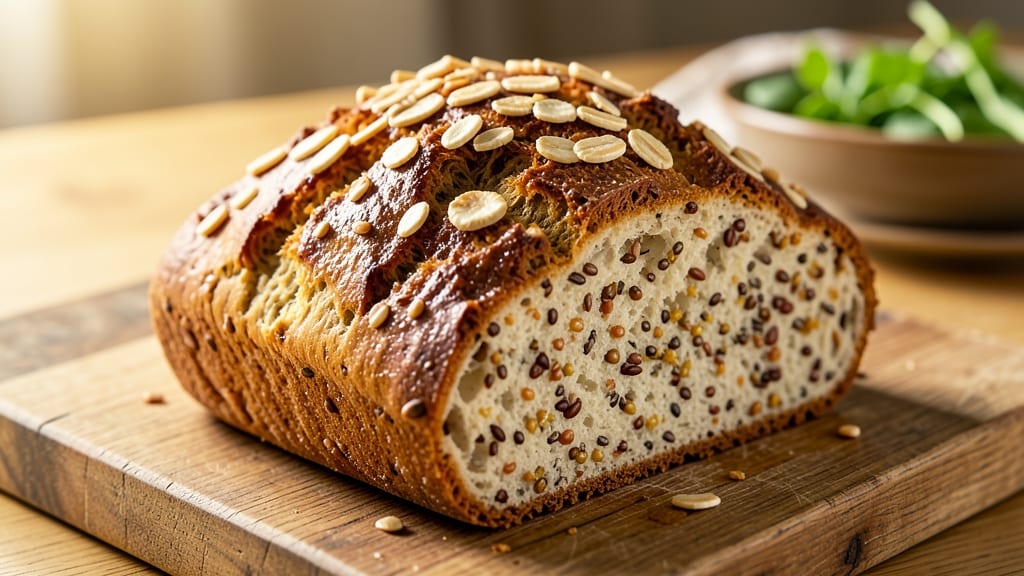
This 7-grain bread machine recipe delivers the perfect balance of whole-grain crunch and soft interior—all with minimal effort. The bread machine handles the kneading and baking, ensuring a foolproof loaf every time, even for beginners.
The blend of grains creates a nutty, hearty flavor with just the right texture—crispy crust and tender crumb. The secret lies in the proper grain-to-flour ratio and a light hand when mixing. Too much grain can make the dough too dense, while the right balance keeps it airy.
I’ve tested this recipe multiple times to guarantee a golden-brown loaf with a satisfying crunch and a soft, pillowy center. The bread machine’s automatic cycles take the guesswork out of timing and temperature. What sets this apart is the versatility—use it for sandwiches, toast, or garlic bread.
The grains add fiber and nutrients without sacrificing taste, making it a healthier choice that still feels indulgent. Whether you're feeding a family or meal prepping, this recipe delivers restaurant-quality results at home.
The best part? No kneading, no waiting, no stress—just press a button and let the machine do the work. Ready in under 2 hours, this bread is the perfect way to elevate everyday meals with a homemade touch. Let’s get started!
Ingredients for 7 grain bread recipe for bread machine
Grab these 14 ingredients for a bread machine masterpiece—nutty, crunchy, and foolproof every time.
| Ingredient | Amount | Notes |
|---|---|---|
| All-Purpose Flour 🌾 | 3 cups | White flour for structure |
| Whole Wheat Flour 🌾 | 1 cup | For hearty texture |
| Rolled Oats 🥣 | ½ cup | Old-fashioned, not quick |
| Active Dry Yeast 🍞 | 0.03 oz | Or 2.1g packet |
| Wild Rice 🌾 | ¼ cup | Uncooked, toasted |
| Wheat Berries 🌾 | ¼ cup | Pre-cooked for texture |
| Quinoa 🌾 | ¼ cup | Uncooked, rinsed |
| Amaranth 🌾 | ¼ cup | Uncooked, toasted |
| Sunflower Seeds 🌻 | ¼ cup | Lightly toasted |
| Large Eggs 🥚 | 1 whole | Room temperature |
| Granulated Sugar 🍚 | ¼ cup | For yeast activation |
| Salt 🧂 | 1 tsp | Diamond Crystal preferred |
| Olive Oil 🫒 | 0.06 oz | About 1 tbsp |
| Warm Water 💧 | 1 ¼ cups | 110°F for yeast |
The grains make this recipe shine, so toast them first—wild rice, quinoa, and amaranth all develop deeper flavor when lightly browned. Whole Foods bulk section has the best selection, but any grocery store carries these basics. For the flours, King Arthur brand is my go-to—it bakes consistently. The yeast is non-negotiable: if it smells old or looks past its expiration, toss it. Fresh is always better, but a 2.1g packet works perfectly for this recipe. Pro tip: measure your grains by weight if you have a kitchen scale—it's more precise than volume.
No wild rice? Brown rice works too, but toast it extra long for that nutty crunch. Sunflower seeds too expensive? Pumpkin seeds are a great swap—they've got a similar texture. Running short on whole wheat flour? Substitute spelt flour at a 1:1 ratio. The eggs can be omitted for a vegan version, but add 1 tbsp ground flaxseed mixed with 3 tbsp water as a binder. For the water, lukewarm is key—too hot kills the yeast, too cold makes it sluggish. If your bread machine has a 'dough' cycle, use that first—it develops the gluten better for those hearty grains.
Store your grains in airtight containers away from light—they'll keep for 6-12 months this way. The bread itself? Wrap it in a clean kitchen towel to maintain moisture for 3-4 days. Freeze any extras as 1-inch slices—they toast beautifully straight from frozen. For that perfect crust, brush with melted butter right after baking. This recipe makes two loaves—great for meal prep or gifting. The leftovers? Perfect for croutons or bread pudding.
Why You'll Love This Recipe
- No-Knead Magic: The bread machine does all the heavy lifting—just toss in the mix of all-purpose and whole wheat flours, rolled oats, and a pinch of yeast, then let it knead and rise while you sip your coffee. Honestly, the only effort is scraping the crust off later.
- Earthy Crunch Delight: That wild rice adds a nutty depth, while the oats give it a satisfying chew—like a hug for your sandwich or toast. Between us, it’s the kind of bread that makes plain butter taste like a celebration.
- Meal Prep MVP: Slice it fresh and freeze half the loaf—toss it straight into soups, salads, or grilled cheese when you’re too tired to think. I keep a batch in the freezer for lazy Sundays, and it thaws faster than you’d expect.
- Budget-Friendly Staple: Whole wheat flour and oats stretch every dollar, and wild rice (even pre-cooked) keeps the cost low. Plus, one loaf feeds my family for days—no sad, stale ends here, just endless second helpings.
Step-by-step instructions for 7 grain bread machine recipe
This bread machine masterpiece combines seven ancient grains for texture and nutrition—here's how to bake it perfectly every time.
Toast the Grains for Maximum Flavor
In a dry skillet over medium heat, toast the 0.25 cup wild rice, 0.25 cup wheat berries, 0.25 cup quinoa, and 0.25 cup amaranth separately for 3-4 minutes each, stirring constantly until fragrant and lightly golden. The wild rice and quinoa will puff slightly while the wheat berries develop a nutty aroma. Transfer each to a plate to cool completely—this prevents moisture from inhibiting yeast activation later.
Meanwhile, lightly toast the 0.5 cup rolled oats and 0.25 cup sunflower seeds in the same skillet for 2-3 minutes until the oats turn golden and the seeds smell toasty. Let everything cool completely before adding to your bread machine—warm grains can overheat the dough and kill the yeast.
Mix Wet Ingredients for Optimal Yeast Activation
In a separate bowl, whisk together the 1.25 cups warm water (should feel like bathwater, around 110°F), 0.25 cup granulated sugar, and 0.06 oz olive oil. Sprinkle the 0.03 oz active dry yeast over the surface and let sit for 5-10 minutes until foamy. This pre-activation ensures your yeast is ready to work when combined with the dry ingredients.
Crack the 1 whole large egg into the yeast mixture and whisk vigorously for 30 seconds. The egg adds richness and helps bind the dense grain mixture. This wet mixture should be slightly thick but pourable—if it's too thin, your bread will be gummy; if too thick, it won't blend properly in the machine.
Combine All Ingredients in Bread Machine
In your bread machine pan, combine the 3 cups all-purpose flour, 1 cup whole wheat flour, 1 tsp salt, and all the cooled toasted grains. Make a well in the center and pour in the wet ingredients. Use a wooden spoon to mix everything until just combined—you should see a shaggy dough forming with some flour still visible.
Here's the thing—this dough will be thick and sticky. That's normal with all these grains! Don't be tempted to add extra water. The bread machine will work through it, but you might need to press the dough down once or twice during kneading if it's too stiff. The machine's paddle will gradually incorporate everything into a smooth, elastic dough.
Select Basic White Bread Setting
Choose the "Basic White Bread" setting on your bread machine and select the largest size option (typically 2 pounds). The machine will automatically knead the dough for 10-15 minutes—you'll see it transition from a shaggy mass to a smooth, elastic ball that cleans the sides of the pan. If the dough looks too wet after kneading, you can scrape it down with a damp spatula.
After kneading completes, the dough will rise for about 1 hour and 20 minutes. You'll know it's ready when it nearly fills the pan and has doubled in size. The bread machine will then automatically bake at 350°F for 35-45 minutes, creating that perfect crust while keeping the interior soft.
Cool and Slice for Perfect Texture
When the bread finishes baking and the machine beeps, let it cool in the pan for 10 minutes before removing. This resting period allows the steam to escape gradually, preventing a gummy crumb. Transfer to a wire rack and let cool completely for at least 30 minutes—this is crucial for slicing cleanly through the dense grain layers.
The result should be a loaf with a crisp crust that gives way to a soft, open crumb studded with visible grain pieces. Each slice should have a satisfying chew from the toasted grains while remaining tender enough to enjoy with butter or jam. Store wrapped at room temperature for up to 3 days, or freeze for longer storage—this bread only gets better with age!
Pro Tips For Making 7 Grain Bread Recipe For Bread Machine
- TOAST THE OATS: Toss the rolled oats in a dry skillet over medium heat for 3-4 minutes until they smell nutty and toasted. Whole wheat bread machine dough is dense enough—skip this, and your loaf will taste flat and mealy instead of hearty.
- HYDRATE THE WILD RICE: Soak the wild rice in warm water for at least 2 hours (or overnight) before adding it to the dough. This softens the grains so they blend smoothly—no gritty surprises in your bread. (Yes, even if you’re impatient like me.)
- SIFT THE WHOLE WHEAT: Lightly sift the whole wheat flour before measuring it into the bread machine pan. It’s heavier than all-purpose, so packing it down leads to a brick-like loaf. A quick shake through a fine-mesh strainer fixes this every time.
- KNEAD LESS, REST MORE: Your bread machine will do most of the work, but after the first knead cycle, let the dough sit for 5 minutes before adding the oats and wild rice. This gives the gluten time to relax—otherwise, the dense grains will fight back and make your bread tough.
Wine and beer pairings for this dish
Crisp White Wine
This hearty 7-grain bread pairs beautifully with a dry Riesling from Germany or Austria—its bright acidity and subtle citrus notes cut through the nutty richness of the grains.
I reach for Dr. Loosen Blue Slate Riesling from the Mosel region, where the slate soil gives the wine a mineral edge that complements the toasted grains. Serve slightly chilled to enhance the wine's crispness against the bread's warm, chewy texture. 🍷
Malty Amber Ale
For beer lovers, a German amber ale like Weihenstephaner Hefeweissbier (with a touch of banana and clove) works wonders. The beer's malty sweetness balances the bread's earthy grains while its effervescence cleanses your palate between bites.
If you prefer hoppier options, try a Belgian blonde ale like Stella Artois—its light body and citrusy hops provide a refreshing contrast without overpowering the bread's complex flavors.
Light Red Wine
A Pinot Noir from Oregon or Burgundy adds an elegant touch to this rustic bread. Look for wines with red fruit notes and soft tannins, like La Crema Sonoma Coast Pinot Noir. The wine's bright acidity and silky texture mirror the bread's crusty exterior and tender crumb.
Avoid heavy, tannic reds—they'll clash with the delicate grain flavors. Serve at 60-65°F to let the wine's fruitiness shine. 🍇
Craft Beer Pairing
For a bold twist, try a witbier like Hoegaarden—its coriander and orange peel notes create a refreshing contrast with the toasted grains. The beer's slight tartness also enhances the bread's natural sweetness.
If you love sours, a Berliner Weisse with raspberry syrup adds a fruity, effervescent pairing that brightens each bite. The key is balancing the bread's heartiness with a beer that's light enough to complement rather than compete. 🍺
Non-Alcoholic Options
Don't drink alcohol? A sparkling apple cider like Martinelli's adds a festive touch with its crisp acidity and subtle sweetness. For something more sophisticated, try a sparkling water infused with cucumber and mint—the cool, refreshing flavors highlight the bread's nutty depth without overpowering it.
A ginger beer with a hint of honey also pairs surprisingly well, especially if you enjoy the bread with butter or jam. ✨
Nutrition facts
Frequently asked questions
Can I substitute any of the grains in this recipe?
The key is maintaining the 1:1 ratio of grains to keep the texture balanced. Swap wild rice for brown rice, quinoa for buckwheat groats, or amaranth for millet. Just toast them first to enhance flavor. Avoid seeds like chia or flax—they absorb too much moisture and can make the dough gummy.
Why does my bread machine dough look too wet or too dry?
This happens when the grains absorb moisture unevenly. If too wet, reduce water by 1 tablespoon next time. If too dry, add 1 teaspoon olive oil to help bind. The dough should hold together when pressed but still feel slightly tacky—like playdough. Remember, bread machines vary in moisture handling, so adjust based on your specific model.
How do I know when the grains are properly toasted?
Toasted grains should smell nutty and fragrant, not burnt. Wild rice should puff slightly and turn golden, quinoa should shimmer, and wheat berries should develop deep caramel notes. Test by breaking a piece—it should be dry to the touch but not hard. Over-toasting creates bitterness, so watch closely and remove promptly.
Can I make this bread without a bread machine?
Yes, but you'll need to handle the kneading and timing manually. Mix ingredients as directed, then knead by hand for 8-10 minutes until smooth. Let rise in a warm place for 1.5-2 hours, then shape and bake at 375°F for 30-35 minutes. The crust may be less even without the machine's precise temperature control, but the texture will still be excellent.
Why does my bread turn out dense instead of light and airy?
Density usually comes from overmixing or under-proofing. First, ensure your yeast is fresh and the water is 110°F. Second, let the dough rise until it nearly doubles in size—don't rush this step. Finally, check your flour-to-grain ratio: too many grains without enough gluten-forming flour can weigh down the structure. Try reducing grains by 2 tablespoons next time.