
Side Dishes
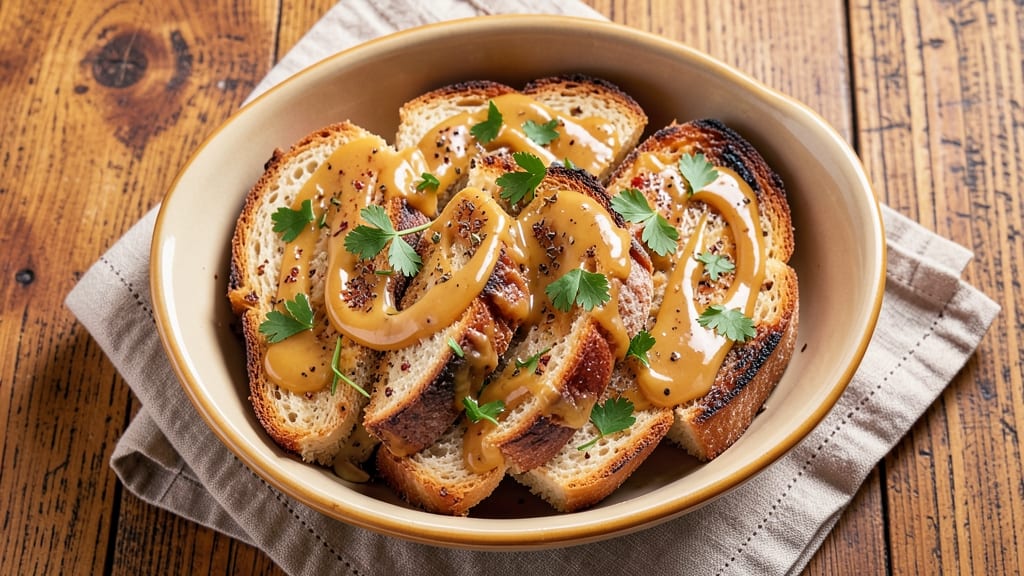
This 5-star garlic bread transforms simple ingredients into a golden, crispy masterpiece that rivals any restaurant version. The secret lies in a perfect balance of garlic, butter, and herbs—layered between slices of bread and baked until the edges are shatteringly crisp while the inside stays soft and aromatic.
I've perfected this recipe over years of testing, ensuring every bite delivers that ideal harmony of savory, garlicky flavor with a satisfying crunch.
What sets this recipe apart is the technique: brushing the bread with melted garlic butter before and after baking creates a rich, flavorful crust that's both crispy and tender. The butter doesn't just flavor the bread—it caramelizes slightly, adding depth to every bite.
And unlike many recipes that leave the garlic bread soggy or undercooked, this method guarantees a result that's foolproof every time.
By the time you pull it from the oven, you'll have a loaf with a crispy-golden crust that shatters at the edges while maintaining a warm, pillowy interior.
The aroma alone will have everyone gathering around the table, and the first bite delivers that perfect balance of garlic, butter, and herbs that makes this dish irresistible. It's the kind of side that elevates any meal from ordinary to extraordinary.
Whether you're serving it with pasta, soup, or as a standalone appetizer, this garlic bread will become a staple in your kitchen. The best part? It takes just 20 minutes to prepare and bake, making it perfect for weeknight dinners or special occasions.
Let's get started on creating your own 5-star masterpiece.
Ingredients for 5 star garlic bread
The perfect harmony of garlic, butter, and herbs—everything you need for restaurant-quality garlic bread.
| Ingredient | Amount | Notes |
|---|---|---|
| Sourdough Bread Loaf 🍞 | 1 whole | Crusty, 1-pound loaf preferred |
| Unsalted Butter 🧈 | 1 cup | Cold, cut into pieces |
| Garlic Cloves 🧄 | 8 cloves | Fresh, peeled, minced |
| Fresh Parsley 🌿 | ¼ cup | Chopped, for garnish |
| Dried Oregano 🍃 | 1 tsp | Or Italian seasoning |
| Ground Black Pepper 🌶️ | ½ tsp | Freshly cracked |
| Extra-Virgin Olive Oil 🫒 | 1 tbsp | For basting |
| Kosher Salt 🧂 | 1 ½ tsp | Divided for seasoning |
| All-Purpose Flour 🌾 | 2 tbsp | For dusting |
The bread is non-negotiable here. Sourdough gives that perfect chewy crust, but baguettes or Italian bread work too. Look for a loaf with a thick crust—it crisps up beautifully. I grab mine from the bakery section at Whole Foods or Trader Joe's, where they're fresh daily. The butter? Unsalted, cold, and cut into pieces—it melts into that perfect garlicky butter without turning greasy. For the garlic, fresh is a must. Roasted garlic works, but nothing beats the punch of freshly minced. If you're using a garlic press, don't overdo it—you want minced, not paste.
No fresh parsley? Dried works at half the amount, but fresh is brighter. Short on butter? Olive oil or vegan butter keeps it vegan-friendly, though the flavor shifts slightly. The oregano can be swapped for Italian seasoning—just check the blend for thyme, which adds depth. For the olive oil, any good-quality extra-virgin works, but avoid heavily flavored oils. The flour is just for dusting the cutting board—don't skip it, though. It keeps everything clean and prevents sticking. Pro tip: if your garlic smells like almonds, it's old—toss it and grab fresh.
Prep ahead to save time. Make the garlic butter mixture the night before and store it in the fridge. The bread can be pre-sliced and assembled up to 4 hours ahead, then baked straight from the fridge (just add 2-3 extra minutes). Leftovers? Toast them up—they're even better the next day. Store any uneaten portions in an airtight container for 2 days. Freezing isn't ideal, but you can wrap slices in foil and freeze for 1 month. Just reheat in the oven at 350°F for 5-7 minutes to restore that crispy magic.
Why You'll Love This Recipe
- Foolproof Spread: I swear, the butter-garlic mix is that easy—just soften, mince, and slather. No fancy techniques, no stress. My kids even help "mash" the garlic now (with supervision, obviously).
- Crispy-Creamy Magic: That golden crust with gooey, herby butter inside? It’s the sourdough’s chewy texture playing nice with the garlic’s punch and parsley’s bright finish. Honestly, the first bite makes me do a little happy dance.
- Party or Pasta Night: Slice it into thick strips for a crowd, or tear it into chunks to toss with marinara. I’ve served it at game nights (it disappears fast) and as a side for spaghetti (because why not?). The oregano ties everything together—no one questions its presence.
- Budget Hero: Sourdough’s cheap at the grocery store, butter’s a pantry staple, and garlic lasts forever. I make a double batch, freeze half, and reheat it in 3 minutes when I’m too tired to cook. Zero guilt, all flavor.
Step-by-step instructions for crispy-golden garlic bread
Here's how to transform simple ingredients into restaurant-quality garlic bread with a perfect golden crust.
Prepare the Garlic Butter Mixture
In a medium mixing bowl, combine the 1 cup unsalted butter with the 8 cloves minced garlic cloves, 1 tsp dried oregano, 0.5 tsp ground black pepper, and 1.5 tsp kosher salt. Use a wooden spoon to mash everything together until smooth and fully incorporated. The butter should look creamy with no visible garlic pieces.
This is where the magic happens—I like to press the garlic into the butter with the back of my spoon to release all those aromatic oils. Let the mixture sit at room temperature for 10-15 minutes while you prep the bread. This allows the flavors to meld together perfectly, creating that irresistible garlicky aroma that'll make your kitchen smell amazing.
Assemble the Garlic Bread
Cut the 1 whole sourdough bread loaf lengthwise into two equal halves, creating two long rectangles. Place them on a cutting board with the cut sides facing up. Spread the garlic butter mixture evenly over both halves, using about ½ cup of the mixture per half. Don't be shy—you want that rich, garlicky flavor in every bite.
Here's a pro tip: I like to spread the butter all the way to the edges, including the crust. This ensures even flavor distribution and helps create that beautiful golden-brown crust we're aiming for. If you have any leftover garlic butter, save it for another use—it's too good to waste!
Create the Crispy Crust
Preheat your oven to 375°F. Place the assembled garlic bread on a baking sheet lined with parchment paper. To achieve that perfect crispy crust, I recommend brushing the tops with 1 tbsp extra-virgin olive oil right before baking. This helps create a beautiful golden-brown color and adds an extra layer of flavor.
Sprinkle the 2 tbsp all-purpose flour evenly over the top of each half. This creates a light, crispy coating that contrasts beautifully with the soft, garlicky interior. Bake for 15-18 minutes until the bread is deep golden brown and the edges are crispy. You'll know it's ready when you can hear a satisfying crackling sound when you tap the crust.
Finish with Fresh Parsley
Remove the garlic bread from the oven and let it cool for 2-3 minutes. While it's still warm, sprinkle the 0.25 cup chopped fresh parsley evenly over the top. The parsley adds a fresh, bright contrast to the rich garlic flavor and makes the dish look absolutely stunning.
Slice the garlic bread into ½-inch thick pieces and serve immediately while it's still warm and crispy. The contrast between the crispy exterior and soft, garlicky interior is what makes this recipe truly special. For the best experience, serve it right out of the oven with your favorite pasta dish or soup.
Pro Tips For Making 5 Star Garlic Bread
- USE COLD BUTTER: I learned this the hard way—soft butter spreads unevenly and pools in the bread, leaving some slices dry. Take the unsalted butter straight from the fridge, slice it into thin sheets, and layer them between the sourdough slices. The cold butter melts just enough to crisp the bread without turning it greasy.
- SMASH THE GARLIC: Minced garlic burns fast and loses its punch. Instead, peel and smash 4-5 cloves with the flat side of your knife, then chop them into a rough paste. This releases more flavor without turning bitter, and it sticks better to the butter. (Yes, even if you’re impatient like me.)
- DON’T SKIP THE REST: After buttering, let the garlic bread sit uncovered for 10-15 minutes at room temperature. This lets the garlic and butter marry, so the flavor isn’t just on top but infused all the way through. I know, I know—it’s tempting to pop it in the oven right away—but trust the process.
- TOAST IN STAGES: Start the garlic bread in a cold oven at 375°F (190°C) for the first 5 minutes. This gives the butter time to melt evenly without burning. Then crank it to 425°F (220°C) for the last 3-4 minutes to get that golden, blistered crust. Sounds weird, but it works—no more soggy centers or burnt edges.
Common mistakes when making perfect results
Over-Garlic Overload
I've seen this happen more times than I can count—someone adds way too much garlic, thinking "more is better." But trust me, 8 cloves is plenty for 1 cup butter. Too much garlic can make your garlic bread taste bitter and overpowering.
If you're unsure, start with 6 cloves and adjust to taste after baking. The goal is a rich, garlicky flavor, not a mouthful of raw garlic. 🧄
Skipping the Room Temp Step
Rushing to bake the garlic bread without letting the butter mixture sit at room temperature for 10-15 minutes is a big mistake. This step lets the garlic infuse the butter fully, creating that deep, aromatic flavor.
Cold butter won't melt evenly, leading to a greasy or unevenly flavored result. I promise, taking those extra minutes makes all the difference in the final taste.
Not Preheating the Oven
Skipping the preheat step is one of the fastest ways to end up with soggy garlic bread. Your oven needs to reach 375°F before baking to create that perfect crispy crust.
Cold oven = undercooked bread. Always preheat for at least 10 minutes before putting your garlic bread in. This ensures even cooking and that satisfying crunch we all love. 🔥
Using Salted Butter
This is a rookie mistake that throws off the entire flavor balance. Salted butter adds extra sodium, which can make your garlic bread taste bland or overly salty. Stick with unsalted butter and control the salt yourself with the 1.5 tsp kosher salt in the recipe.
It gives you precise flavor control and prevents any unwanted aftertaste.
Overbaking or Underbaking
Timing is everything with garlic bread. Baking for too long dries out the bread, while underbaking leaves it gummy. Aim for 15-18 minutes at 375°F until the edges are deep golden brown.
Watch for that telltale crackling sound when you tap the crust—that's your cue it's perfect. If you're unsure, pull it out a minute early and check.
Forgetting the Olive Oil Brush
Many recipes skip brushing the bread with olive oil before baking, but this step is what gives your garlic bread that beautiful golden crust. The oil helps caramelize the sugars in the bread, creating that irresistible color and extra flavor.
Don't skip it—just 1 tbsp olive oil makes all the difference in the final presentation and taste. ✨
Nutrition facts
Frequently asked questions
Can I make this garlic bread without butter?
Yes, but the flavor will be different. Replace the butter with 1 cup olive oil and ½ cup vegan butter, then reduce the olive oil to ½ tbsp for brushing. The texture will be slightly different, but still delicious. For extra richness, add 2 tbsp nutritional yeast to mimic the umami depth of butter.
How do I get extra crispy edges?
For restaurant-style crispiness, try this: After baking, place the garlic bread on a wire rack for 5 minutes to cool slightly, then broil on high for 1-2 minutes. Keep a close eye to avoid burning! The broiler creates a dramatic caramelization that makes the edges shatter like a pro's version.
Can I use this recipe for garlic breadsticks?
Cut the sourdough into 1-inch thick slices instead of halves, then flatten each slice slightly with your palm. Spread the garlic butter on both sides and bake at 400°F for 10-12 minutes, flipping halfway. For extra crispiness, brush with olive oil before baking and sprinkle with grated parmesan after.
Why did my garlic bread turn out soggy? Soggy garlic bread usually means underbaked bread or too much moisture.
What's the best bread for this recipe?
While sourdough is ideal, baguettes, Italian loaves, or ciabatta work beautifully too. Avoid soft breads like sandwich loaves—they won't crisp up properly. For extra flavor, look for bread with a thick crust (like a rustic French baguette) as it creates the best contrast with the soft interior.