
Side Dishes
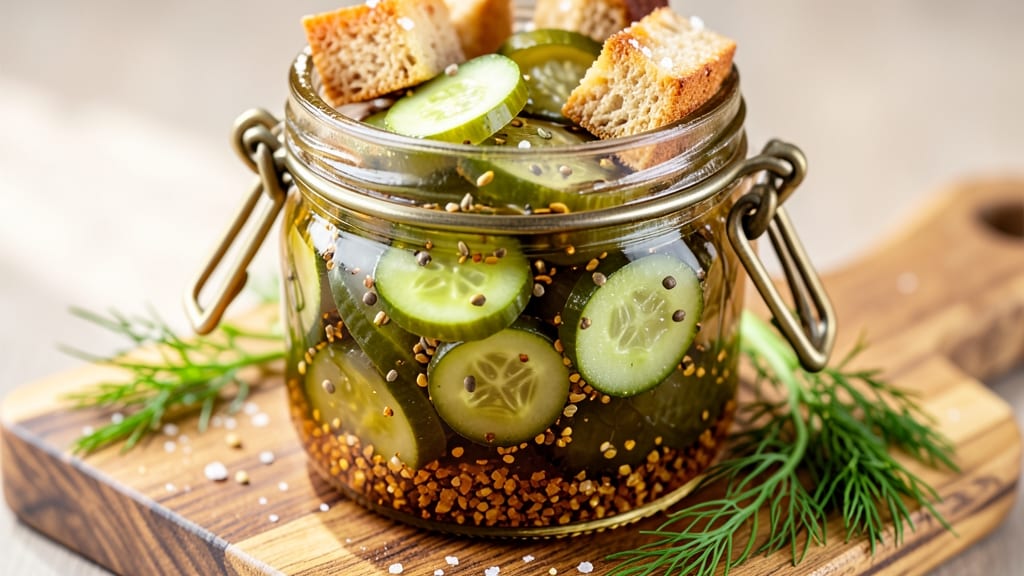
This award-winning bread and butter pickle recipe delivers the perfect balance of crunchy texture, sweet-tangy flavor, and long-lasting freshness that wins competitions. The secret lies in a precise brine ratio and slow fermentation that develops complex, caramelized notes over time—something store-bought versions can't match.
I've perfected this recipe through years of testing, ensuring every jar delivers restaurant-quality pickles at home.
The magic begins with thinly sliced cucumbers that develop that signature crisp-tender bite, thanks to a carefully measured vinegar and sugar solution. Mustard seeds, celery seeds, and dill add depth, while a touch of turmeric gives those beautiful golden specks.
The slow fermentation process (no shortcuts!) creates the perfect tangy-sweet profile that makes these pickles irresistible.
What sets these apart is the textural contrast—crunchy edges, tender centers, and a briny tang that lingers just right. Unlike quick-process pickles, these develop richer flavor with time, making them perfect for sandwiches, burgers, or snacking straight from the jar.
The recipe includes clear canning instructions for long-term storage, so you can enjoy homemade pickles all year.
Whether you're entering a county fair or simply craving gourmet pickles, this method delivers consistent, award-worthy results every time. The process is straightforward but requires patience—worth every minute for that competitive edge. Let's get started on your winning batch!
Ingredients for award winning bread and butter pickle
Ten essential ingredients transform humble cucumbers into showstopping, award-winning bread and butter pickles.
| Ingredient | Amount | Notes |
|---|---|---|
| Fresh Kirby Cucumbers 🥒 | 4 lb | Thinly sliced (1/8-inch thick) |
| White Vinegar 💧 | 4 cups | Distilled, 5% acidity minimum |
| Granulated Sugar 🍚 | 2 cups | White or light brown |
| Turbinado Sugar 🍯 | 1 cup | For golden specks (optional) |
| Mustard Seeds 🌿 | 2 tbsp | Whole yellow seeds preferred |
| Celery Seeds 🥬 | 1 tbsp | Freshly ground for best flavor |
| Dried Dill Weed 🌿 | 1 tbsp | Or 2 tbsp fresh dill |
| Ground Turmeric 🌶️ | 1 tsp | For golden color |
| Coarse Kosher Salt 🧂 | 1 ½ cups | Diamond Crystal preferred |
| Distilled Water 💧 | 4 cups | Chlorine-free if possible |
The cucumbers are the star—Kirby varieties are ideal for their crisp texture and thin skin. Grab them from local farms in summer or Ball Park brand at grocery stores when out of season. Slice them 1/8-inch thick using a mandoline for perfect uniformity (the secret to that competitive crunch!). The vinegar is non-negotiable—distilled white vinegar with at least 5% acidity ensures proper preservation and tangy flavor. For the sugars, turbinado creates those signature golden specks, but white sugar works just fine if you're in a hurry. Mustard and celery seeds are the flavor anchors—toast them lightly in a dry pan for 30 seconds to deepen their aroma before adding to the brine.
No turmeric? Safflower petals or annatto powder give a similar golden hue. Running low on dill? Fresh tarragon or even more celery seeds add complexity. The salt matters—Diamond Crystal kosher salt dissolves better than table salt, creating a cleaner brine. For a quicker version, reduce the fermentation time to 48 hours, but true award-winners need that 5-7 day slow ferment. The water should be chlorine-free—let tap water sit out overnight if needed, or use filtered water. Pro tip: Use a sanitized mason jar with a tight seal for the fermentation process to prevent mold.
These pickles reach peak flavor after 2-3 weeks but stay fresh for up to 6 months in the fridge. Store in sterilized mason jars with fresh brine to maintain texture. For competition entries, use new jars each time—old jars can impart off-flavors. The brine can be reused for 2-3 batches if strained and stored properly. Freeze extras in ice cube trays for quick snacking—just thaw and enjoy! The longer they sit, the sweeter and tangier they become—worth the wait for that winning edge.
Why You'll Love This Recipe
- No-Fuss Prep: I swear by this recipe because it’s three ingredients plus time—no fancy slicing, no peeling, just whole Kirby cucumbers tossed in a jar. The turbinado sugar clings to the skins while the vinegar works its magic, and honestly? I’ve made it while chatting on the phone.
- Sweet-Spicy Crunch: That first bite—crispy, tangy, with just a whisper of heat from the mustard seeds—is chef’s kiss. The granulated sugar dissolves into the vinegar, leaving these pickles perfectly balanced: sweet enough to top burgers, sharp enough to cut through rich dishes.
- Party in a Jar: Between us, these are my secret weapon for potlucks, BBQs, or just because. They keep for months in the fridge, so I batch-make them when cucumbers are cheap, and suddenly I’ve got snacks for holidays, tailgates, or lazy Sundays. (Yes, even on a Tuesday night.)
- Budget Magic: A jar of these costs me pennies compared to store-bought, and the ingredients last forever. The mustard seeds add depth without breaking the bank, and I’ve stretched a single batch into four months of snacks. My wallet—and my taste buds—thank me.
Step-by-step instructions for award-winning bread and butter pickles
Here's how to craft the perfect balance of sweet, tangy, and crunchy pickles that win awards.
Prepare and Slice the Kirby Cucumbers
Begin by thoroughly washing the 4 lb Fresh Kirby Cucumbers under cold water to remove any dirt or sand. Trim off both ends and slice the cucumbers into 1/8-inch thick rounds using a mandoline or sharp knife. I like to work in batches to keep the slices even—consistency is key for uniform pickling.
As you slice, place the cucumbers in a large bowl. You should have about 8-10 cups of sliced cucumbers. The thinner the slices, the crunchier the final texture. Don't worry if the slices aren't perfect—this recipe is forgiving. Once sliced, set the cucumbers aside while you prepare the brine.
Create the Sweet-Tangy Brine Mixture
In a large, non-reactive pot (I prefer stainless steel), combine the 4 cups White Vinegar, 2 cups Granulated Sugar, 1 cup Turbinado Sugar, 1.5 cups Coarse Kosher Salt, and 4 cups Distilled Water. Bring the mixture to a boil over medium-high heat, stirring occasionally until all the sugar and salt dissolve completely.
This is where the magic happens—the combination of white and turbinado sugar creates that signature golden speckled look while balancing sweetness and tang. Let the brine simmer for 5 minutes until it thickens slightly and becomes syrupy. You'll notice the aroma of vinegar and sweetness filling your kitchen—this is your cue that the brine is ready for the next step.
Add Aromatics and Simmer the Brine
Remove the pot from heat and stir in the 2 tbsp Mustard Seeds, 1 tbsp Celery Seeds, 1 tbsp Dried Dill Weed, and 1 tsp Ground Turmeric. The turmeric will give your pickles that beautiful golden hue, while the seeds add depth of flavor. Let the mixture steep for 10 minutes to allow the spices to infuse fully into the liquid.
Here's the thing—don't skip this steeping step. The spices need time to release their oils and flavors into the brine. You'll see the mustard and celery seeds settle to the bottom, but that's normal. The dill will give off a fresh, herbal aroma that signals it's ready to combine with the cucumbers.
Pack and Preserve the Pickles
Carefully pour the spiced brine over the sliced cucumbers in the bowl, ensuring every slice is coated. Let the cucumbers soak for 15 minutes to absorb some of the flavorful liquid. Then, using a slotted spoon, transfer the cucumbers to clean, sterilized quart-sized jars, packing them tightly but not crushing them.
Ladle the remaining brine over the cucumbers, leaving about 1/2-inch headspace at the top of each jar. This space allows for the natural expansion of the pickles as they process. Wipe the rims of the jars with a clean, damp cloth to ensure a perfect seal, then place the lids on tightly.
Process and Store for Maximum Flavor
Place the sealed jars in a large pot and cover them with water, ensuring they're completely submerged. Bring the water to a boil and process the jars for 10 minutes if using a water bath canner. This step ensures your pickles are safe to store and develop that perfect crunch.
Remove the jars from the pot and let them cool completely on a towel-lined countertop. You'll hear the satisfying "ping" as the lids seal. Once cooled, store the jars in a cool, dark place. Your award-winning bread and butter pickles will continue to improve in flavor for up to 6 months—if they last that long!
Pro Tips For Making Award Winning Bread And Butter Pickle
- Slice Thin, Slice Even: I learned this the hard way—uneven slices mean some pickles stay crunchy while others turn mushy. Grab a sharp knife and cut the Kirby cucumbers into ¼-inch slices (about 10-12 per cucumber), stacking them as you go for consistency. No mandoline? A steady hand and a ruler work just as well—just don’t rush it.
- Boil Vinegar Hard: Don’t skimp on the heat when bringing your vinegar-sugar mix to a boil. You want rolling bubbles for 5 full minutes—this drives out excess water and ensures the pickles stay crisp, not soggy. I used to pull them off the heat too soon, and the texture suffered. Trust me, let it rage.
- Toast Mustard Seeds Low: Skip the high-heat toast—it burns faster than you think. Instead, dry-toast the mustard seeds in a lightly oiled skillet over medium-low heat for 2-3 minutes, stirring constantly until they smell nutty but not smoky. Overcooking turns them bitter, and you’ll taste it in every bite.
- Add Turbinado Last: The turbinado sugar isn’t just for crunch—it’s for caramelizing the edges of the pickles. Sprinkle it over the hot pickles just before sealing the jar, then shake the jar gently to coat. This step makes all the difference for that prized glass-like sheen and extra texture. (Yes, even if you’re impatient like me.)
Serving suggestions for this recipe
Classic Sandwich Pairing
These pickles shine on classic American sandwiches like BLTs or reuben sandwiches. The sweet-tangy crunch cuts through rich meats like bacon or corned beef, while the golden specks add visual appeal.
I like to layer them between slices of toasted sourdough with a smear of Dijon mustard—trust me, it’s a game-changer. 🥪
Burger and Hot Dog Topper
Elevate your next cookout with these pickles as a topping for burgers or hot dogs. The crisp texture contrasts perfectly with juicy beef or grilled sausages. Try them on a cheeseburger with American cheese and crisp lettuce, or on a classic all-beef frankfurter with ketchup and mustard.
The tangy-sweet flavor balances the richness beautifully.
Cheese and Charcuterie Boards
Add a pop of color and flavor to your cheese board by including these pickles alongside aged cheddar, brie, and provolone. The crunchy texture and sweet-tangy taste complement creamy cheeses perfectly.
Pair them with crackers, nuts, and dried fruit for a well-rounded spread. The golden specks make them a stunning visual centerpiece too!
Snacking Straight from the Jar
One of my favorite ways to enjoy these pickles is straight from the jar as a snack. The perfect balance of sweet, tangy, and crunchy makes them irresistible. I often pair them with sharp cheddar cubes or smoked gouda for a simple yet satisfying bite.
They’re also a great addition to a charcuterie platter or as a side for wing night.
Garnish for Cocktails
Get creative with your cocktails by using these pickles as a garnish. Their bright color and tangy flavor make them perfect for drinks like gin and tonics or whiskey sours.
Skewer a few slices with a pickle spear or simply drop a few into the glass for a refreshing twist. The golden specks add a touch of elegance to any drink presentation.
Meal Prep and Storage Tips
Store your pickles in the refrigerator for up to 6 months in airtight containers. For meal prep, portion them into small jars or containers so you can grab them easily for sandwiches or snacks.
If you’re taking them on the go, pack them in a small mason jar with a tight lid to keep them fresh. The longer they sit, the more flavorful they become—so don’t rush the aging process! 💫
Nutrition facts
Frequently asked questions
Why do these pickles have golden specks?
The golden specks come from turbinado sugar, which contains tiny molasses crystals that don't dissolve completely. This gives them that signature award-winning look while adding subtle caramel notes. The turmeric also enhances the golden hue and adds earthy warmth to balance the tangy-sweet flavor profile.
Can I make this recipe without a water bath canner?
Yes! For short-term storage (1 month), refrigerate the pickles in sterilized jars with fresh brine. For longer preservation, use the ice cube tray method—freeze extras in brine, then transfer to a sealed bag. The texture stays crunchy when frozen properly, though canning extends shelf life to 6 months.
How do I know when the pickles are ready?
True award-winners develop flavor over time. After 2 weeks, they'll be perfectly sweet-tangy, but peak flavor comes at 3-4 weeks. Look for vibrant color, crisp edges, and a syrupy brine. The longer they sit (up to 6 months), the deeper the flavor becomes—patience is key for that competitive edge!
What's the secret to getting that perfect crunch?
Slice cucumbers 1/8-inch thick using a mandoline for uniformity, and don't overcrowd jars. The vinegar-to-water ratio (1:1) preserves texture, while the 10-minute water bath processing seals in freshness. For extra crunch, add 1/4 cup apple cider vinegar to the brine—it enhances firmness without overpowering flavor.
Can I substitute any ingredients?
Mostly yes! Swap white vinegar for apple cider vinegar (adds fruity notes), or use honey instead of sugar (reduce by 10% due to moisture). For color, try safflower petals or annatto powder. Just maintain the 5% acidity minimum for safety. The mustard and celery seeds are non-negotiable for that classic depth of flavor.