
Side Dishes
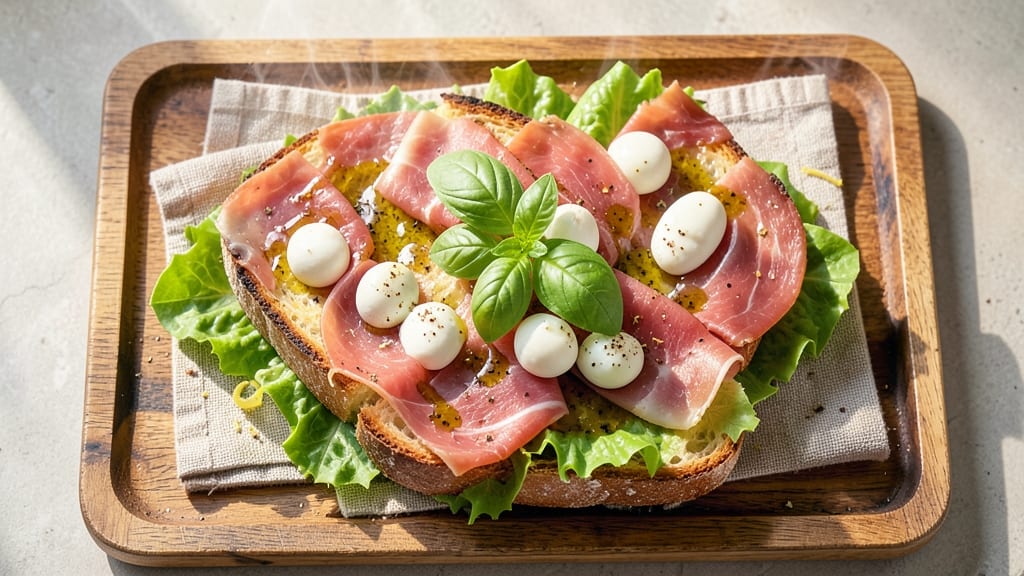
This authentic Italian panini bread recipe transforms simple ingredients into crispy, golden crusts with tender interiors—just like Rome’s best trattorias. The secret lies in using fresh ciabatta or focaccia, pressed to perfection between hot plates until the edges caramelize and the bread develops that signature toasted aroma.
I’ve perfected this technique over years of testing, ensuring every bite delivers the ideal balance of crunch and softness.
What sets this recipe apart is its focus on authenticity: no shortcuts, just traditional Italian fillings like prosciutto di Parma, fresh mozzarella, and roasted vegetables, all layered between slices of artisanal bread.
The key technique involves pressing the sandwiches in a panini maker or heavy skillet until they develop those coveted grill marks and a crisp exterior. This isn’t just a sandwich—it’s a taste of Italy you can make at home.
By the time you’re done, you’ll have panini with perfectly toasted crusts that hold up to every bite, while the fillings stay warm and flavorful inside. The aroma alone—smoky, herby, and slightly sweet—will have everyone at the table reaching for seconds.
Whether you serve them as a main dish or alongside a simple arugula salad, these panini bring restaurant-quality results to your kitchen.
The beauty of this recipe is its versatility: swap fillings for regional variations (think Ligurian pesto or Roman-style caprese), or keep it classic with prosciutto and mozzarella. The method stays the same—just adjust the ingredients to match your taste. Here’s how to make them perfectly every time.
Ingredients for authentic italian panini bread
Authentic Italian panini demand quality bread, premium fillings, and precise pressing technique.
| Ingredient | Amount | Notes |
|---|---|---|
| Artisanal Ciabatta Bread Loaf 🍞 | 1 whole | Freshly baked, crust intact |
| Prosciutto di Parma 🥓 | 8 oz | Thinly sliced, high-quality |
| Fresh Mozzarella Cheese 🧀 | 8 oz | Milky, soft, not pre-shredded |
| Romaine Lettuce Leaves 🥬 | 4 whole | Butter lettuce works too |
| Fresh Basil Leaves 🌿 | ¼ cup | Packed, stems removed |
| Extra-Virgin Olive Oil 🫒 | 2 tbsp | Fruity, peppery variety |
| Garlic Cloves 🧄 | 2 cloves | Minced for spread |
| Balsamic Vinegar 🍶 | 1 tbsp | Aged, for drizzling |
| Diamond Crystal Kosher Salt 🧂 | ½ tsp | Fine grain preferred |
| Freshly Ground Black Pepper 🌶️ | ¼ tsp | Cracked peppercorns |
| Unsalted Butter 🧈 | 2 tbsp | Softened for spreading |
| Sun-Dried Tomatoes in Oil 🍅 | ¼ cup | Chopped, drained |
| Roasted Red Bell Peppers 🌶️ | ½ cup | Jarred, chopped |
The bread is non-negotiable—artisanal ciabatta from a specialty bakery (like Eataly or your local Italian market) delivers that signature open crumb structure. If you can't find ciabatta, focaccia works beautifully too, but avoid pre-sliced sandwich bread. For the prosciutto, Prosciutto di Parma is ideal, but high-quality dry-cured ham is a worthy substitute. The mozzarella should be fresh and milky—pre-shredded won't melt properly. I always buy a whole ball at Whole Foods or Trader Joe's and slice it myself for the best texture.
No prosciutto? Thinly sliced salami or capicola works in a pinch, though the flavor profile shifts. Fresh basil wilting? Dried basil at one-third the amount is fine, but fresh is ideal. Sun-dried tomatoes packed in oil? Drain them well—the excess oil can make fillings soggy. For a vegetarian version, swap prosciutto for grilled eggplant or marinated artichokes. The olive oil matters here too—use a fruity, peppery EVOO like California Olive Ranch for that authentic Italian taste. If you're short on time, store-bought pesto works for a quick Ligurian variation, though homemade is always better.
Bread stays fresh longest wrapped in a paper bag at room temperature for up to 3 days. Mozzarella keeps 5 days in its original packaging, but freshness drops after day 3. For assembly, prep all fillings ahead and store in airtight containers—this recipe assembles best when everything's at room temperature. The panini themselves reheat beautifully in a skillet or panini press for 2-3 minutes until crispy again. I always make extras—they're perfect for lunch the next day.
Why You'll Love This Recipe
- No-Knife Night: I swear by this—just tear the ciabatta, no cutting required. The prosciutto practically sticks itself together, and the mozzarella melts so fast you’ll question why you ever pressed sandwiches before.
- Umami Bomb: That first bite of salty prosciutto, creamy mozzarella, and fresh basil? It’s like Italy handed me a bite-sized vacation. The ciabatta’s chewy crunch keeps it from being too heavy—honestly, I’ve made panini that were soggy disasters, but this one’s foolproof.
- Lunchbox Hero: Between us, this is my go-to for picnics, office lunches, or when I’m too tired to cook. Wrap it in parchment, toss it in a bag, and it stays fresh for hours—no sad, squished sandwiches here.
- Budget Luxe: Fresh mozzarella and prosciutto might sound fancy, but a few slices go a long way. I stretch it across two panini, and it feels like a splurge without breaking the bank. Plus, leftovers? Just reheat and enjoy—no waste, just flavor.
Step-by-step instructions for authentic Italian panini bread
Master the art of pressing Italian-style panini with this precise method for restaurant-quality crust every time.
Prepare the Garlic-Olive Oil Spread
In a small bowl, combine the 2 tablespoons extra-virgin olive oil, 2 cloves minced garlic, 0.5 teaspoon kosher salt, and 0.25 teaspoon black pepper. Mix thoroughly until the garlic is fully incorporated and the mixture is smooth. This spread will infuse the ciabatta with authentic Italian flavor while preventing dryness during pressing.
Let the mixture sit for 5 minutes at room temperature to allow the garlic to release its aromatic oils. The spread should have a vibrant golden hue and a rich, peppery aroma. This preparation step ensures your panini will have that signature Italian touch without overpowering the delicate flavors of the prosciutto and mozzarella.
Assemble the Panini with Precision
Using a sharp serrated knife, cut the 1 whole artisanal ciabatta loaf horizontally into 4 equal halves, ensuring each slice is about 1.5 inches thick. Spread 1 tablespoon of the garlic-olive oil mixture evenly on both sides of each ciabatta half.
For each panini, layer 2 large romaine lettuce leaves on one ciabatta half, followed by 2 ounces prosciutto di parma, 2 ounces fresh mozzarella cheese (cut into even slices), 2 tablespoons chopped sun-dried tomatoes in oil, and 2 tablespoons chopped roasted red bell peppers. Top with 1 tablespoon fresh basil leaves and the second ciabatta half spread-side down. The mozzarella should be centered to ensure even melting during pressing.
Press to Perfection Using the Panini Press
Preheat your panini press to 375°F. Place one assembled panini on the lower plate and press for 3-4 minutes until the ciabatta develops a deep golden brown crust and the cheese begins to melt completely. The press should exert firm, even pressure—you should hear a satisfying sizzle as the butter and oils render from the bread.
Remove the panini and transfer to a wire rack to cool for 2 minutes. The exterior should be crispy with a slight char, while the interior remains tender. If the crust isn't golden enough, return it to the press for 30 seconds—this final touch makes all the difference in achieving that authentic Italian bakery texture.
Finish with Balsamic Drizzle
While the panini rests, heat 2 tablespoons unsalted butter in a small saucepan over low heat until melted. Stir in 1 tablespoon balsamic vinegar and let it simmer for 1 minute until slightly reduced. This creates a glossy, sweet-tart glaze that elevates the panini's presentation and adds depth of flavor.
Using a pastry brush, lightly coat the top of each panini with the balsamic butter mixture. The heat from the panini will make the butter melt into a silky finish. Serve immediately while the crust is still crisp and the cheese is perfectly gooey. Each bite should deliver a symphony of textures—crispy crust, creamy mozzarella, and tender prosciutto—with the garlic, olive oil, and balsamic tying everything together in an authentically Italian experience.
Pro Tips For Making Authentic Italian Panini Bread
- Press Hard, Press Fast: Ciabatta’s airy holes collapse under pressure if you’re gentle—slap that sandwich between a hot panini press (or heavy skillet) at max heat for 30 seconds first, then reduce to medium-high for 2-3 minutes. I used to drag it out, and the bread turned into a sad, dense brick.
- Dry the Mozzarella: Pat that fresh mozzarella thoroughly with paper towels before assembling—wet cheese steams instead of melts, and your panini ends up soggy. I learned this after making a mess of my first batch, and now I double-check with a clean towel.
- Layer Lettuce Last: Tuck the romaine leaves inside the sandwich, not on top—otherwise, they’ll wilt into mush under the press. Fold them in like a taco, and they’ll stay crisp enough to cut through the richness. (Yes, even if it looks weird.)
- Toast the Ciabatta First: Warm the ciabatta slices in a dry pan for 30 seconds per side before assembling—it crisps the crust and soaks up just enough moisture to prevent a dry bite. I skip this when I’m lazy, but the difference is noticeable.
Creative variations of this dish
Classic Roman Style
For a true Roman panini experience, swap the prosciutto for thinly sliced mortadella and add fresh ricotta cheese dollops between layers of mozzarella. Top with roasted cherry tomatoes and a drizzle of aged balsamic glaze before pressing.
The mortadella brings a subtle sweetness that pairs beautifully with the tangy ricotta, while the tomatoes add juiciness that keeps the sandwich moist. 🍅
Ligurian Pesto Twist
Transform your panini into a Ligurian masterpiece by spreading 2 tablespoons of homemade pesto (or high-quality store-bought) on the ciabatta before assembling. Layer with grilled zucchini slices, fresh mozzarella pearls, and thinly sliced sun-dried tomatoes.
Press at 375°F for 3 minutes until the pesto caramelizes slightly on the crust. Finish with a sprinkle of Parmesan cheese and fresh basil. This variation is vibrant, herby, and perfect for summer gatherings.
Vegetarian Caprese
Skip the meat entirely for a vegetarian-friendly version that still delivers bold flavors. Layer fresh mozzarella slices, heirloom tomato slices, and fresh basil leaves between the ciabatta. Brush the bread with garlic-infused olive oil and press until the mozzarella melts into a creamy blanket.
Drizzle with balsamic reduction and a pinch of flaky sea salt for a restaurant-quality Caprese sandwich. This is the ultimate vegetarian panini for tomato lovers.
Spicy Arrabbiata
For heat lovers, add 1 teaspoon Calabrian chili paste to your garlic-olive oil spread and layer with spicy soppressata instead of prosciutto. Top with roasted red peppers and fresh mozzarella, then press as usual.
The Calabrian chili adds a smoky kick that pairs perfectly with the creamy mozzarella. Finish with a sprinkle of red pepper flakes and a drizzle of aged balsamic vinegar for a fiery Italian twist.
Breakfast Panini
Start your day Italian-style with a breakfast panini using fresh focaccia instead of ciabatta. Layer with fried eggs, crispy prosciutto, and shaved Parmesan, then press until the eggs are just set.
Add a sprinkle of freshly cracked black pepper and a drizzle of hot honey for a sweet-spicy contrast. This hearty version is perfect for brunch or a quick weekday breakfast.
Sweet Finish Option
For a dessert-inspired twist, spread the ciabatta with mascarpone cheese mixed with honey and top with thinly sliced figs or peaches. Press lightly for 2 minutes until the figs soften and the crust turns golden.
Dust with powdered sugar** and serve with a cup of espresso for an authentic Italian sweet finish. This variation is a crowd-pleaser for special occasions.
Nutrition facts
Frequently asked questions
Can I make these panini without a panini press?
Use a heavy skillet or griddle over medium-high heat. Place the assembled panini in the skillet and press down with a second skillet or a small weight (like a cast-iron pan) for 3-4 minutes per side until golden brown. For extra crispiness, brush the bread with melted butter before pressing. The key is maintaining even pressure—just like a panini press would.
How do I store leftover panini?
Store wrapped in a clean kitchen towel or parchment paper in an airtight container at room temperature for 1-2 days. To reheat, press in a skillet over medium heat for 1-2 minutes until the crust is crispy again. For longer storage, freeze for up to 1 month—thaw overnight in the fridge before reheating. The bread loses crispiness when refrigerated, so always reheat properly.
What's the best bread for authentic Italian panini?
Artisanal ciabatta or focaccia are ideal—their open crumb structure holds up perfectly to pressing. Avoid pre-sliced sandwich bread or buns, as they lack the necessary texture. For the best results, buy fresh from an Italian bakery or specialty store. If you can't find ciabatta, baguette works in a pinch, but it won't be as authentic.
Why is my mozzarella not melting properly?
Fresh mozzarella melts best when it's at room temperature and pressed at 375°F. Pre-shredded mozzarella contains anti-caking agents that prevent melting—always use fresh, whole blocks. For extra meltiness, layer the mozzarella between the bread and press for 30 seconds longer or add a sprinkle of grated Parmesan to help bind the cheese. The heat should transform it into a creamy blanket!
Can I make these panini gluten-free?
Yes, but you'll need a dedicated gluten-free bread with a sturdy structure—like gluten-free ciabatta or focaccia. Press at 375°F for 4-5 minutes since gluten-free bread requires longer cooking to achieve crispiness. Use gluten-free fillings like prosciutto, fresh mozzarella, and roasted veggies. The texture will differ slightly, but the flavors remain authentic. Always check labels to avoid cross-contamination.