
Side Dishes
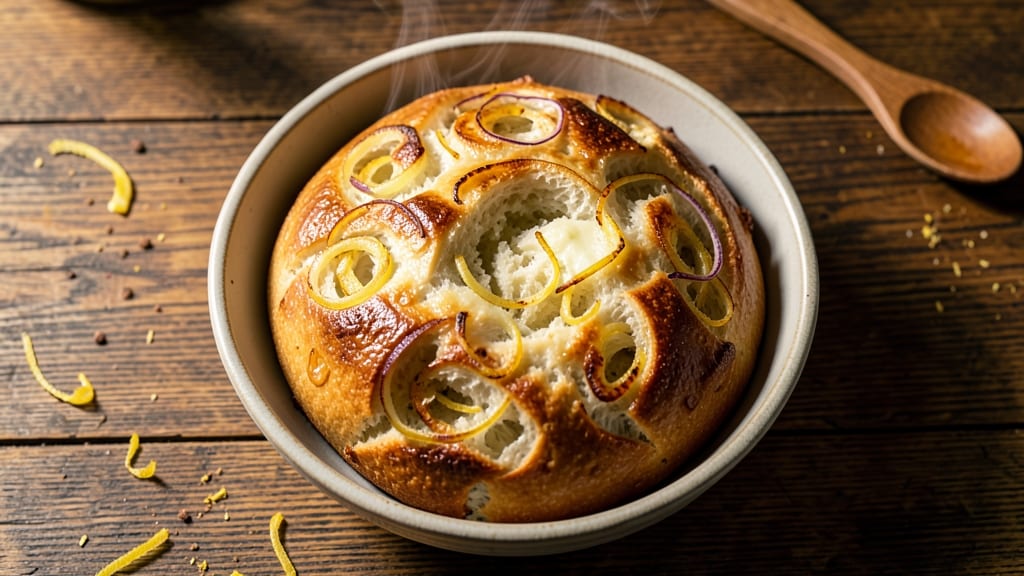
This artisan onion bread recipe delivers the perfect balance of crispy golden crust and layers of caramelized onions—every bite is pure comfort. The secret lies in slow-cooked onions that infuse the dough with sweet, savory depth while maintaining that signature crusty exterior.
I've perfected this technique over years of baking, ensuring the bread stays tender inside with just the right amount of chew.
What sets this recipe apart is the two-stage onion preparation: first caramelizing them until deep brown, then folding them into the dough for maximum flavor distribution. The dough itself is simple—just flour, yeast, water, and a touch of sugar—but the technique transforms it into something extraordinary.
Proofing and shaping are critical steps that develop the bread's signature texture and rise.
By the time it emerges from the oven, you'll have a loaf with a crispy, crackling crown and tender crumb infused with caramelized onions. The aroma alone will have everyone gathering around your table.
This bread pairs beautifully with soups, stews, or simply as a side to any meal—it's that good.
The scoring technique creates those coveted air pockets while baking, ensuring even browning and that perfect crunch. With just a few key ingredients and careful attention to technique, you'll achieve restaurant-quality results in your own kitchen. Let's get started on creating this showstopper loaf.
Ingredients for artisan onion bread
Nine essential ingredients transform into golden, caramelized onion bread with a crispy crown.
| Ingredient | Amount | Notes |
|---|---|---|
| Yellow Onions 🧅 | 6 large | Yellow or red, thinly sliced |
| All-Purpose Flour 🌾 | 4 cups | Bread flour preferred for chew |
| Active Dry Yeast 🍞 | 2 ¼ tsp | Ensure yeast is fresh |
| Granulated Sugar 🍚 | 1 tbsp | For yeast activation |
| Unsalted Butter 🧈 | ½ cup | Cold, cubed for dough |
| Warm Water 💧 | 1 ¼ cups | 110°F for yeast activation |
| Salt 🧂 | 1 ½ tsp | Diamond Crystal preferred |
| Extra-Virgin Olive Oil 🫒 | 1 tbsp | For dough enrichment |
| Cornmeal 🌽 | ¼ cup | For bread pan dusting |
| Egg Wash 🥚 | 1 whole | Beaten with 1 tbsp water |
| Coarse Salt 🧂 | 1 tbsp | For final crust scoring |
The onions are the heart of this recipe—yellow or red varieties work best, with their natural sweetness developing during caramelization. King Arthur or Bobs Red Mill bread flour elevates texture, but all-purpose flour delivers reliable results. For yeast, FreshPaks or Red Star brands ensure consistent activation. The butter must be cold to prevent dough overdevelopment; Plugrá or Land O'Lakes work perfectly. Slice onions uniformly for even caramelization—about 1/8-inch thickness—and cook them slowly until deep amber.
Substitutions are possible but require adjustments: No bread flour? Add 1 tbsp vital wheat gluten per cup of all-purpose flour. No fresh yeast? Use 1.25 tsp rapid-rise yeast (reduce proofing time by 20%). The olive oil can be swapped for avocado oil if preferred, though it lacks fruity depth. For a gluten-free version, use a 1:1 GF flour blend like King Arthur Measure for Measure. The egg wash can be replaced with 1 tbsp milk + 1 tbsp water for a lighter finish. No cornmeal?** Semolina or rice flour works equally well for dusting.
Caramelized onions keep for 5 days in the fridge, sealed airtight. The dough can be refrigerated overnight for deeper flavor—proof at room temp for 1.5 hours before baking. Baked loaves stay fresh 3 days wrapped in a cotton towel. For scoring, use a serrated knife or lame—sharp tools prevent dough tearing. The crust is best eaten within 24 hours of baking, though the crumb remains tender for 3-4 days when stored in a bread box.
Why You'll Love This Recipe
- No-Knead Magic: I swear by this dough—just mix, let it rise, and bake. No roller, no stress, just hands-off perfection while you sip coffee or scroll through your phone.
- Onion Butter Bliss: That caramelized onion jam swirled into buttery dough? It’s the kind of flavor that makes you pause mid-bite. Sweet, savory, and so worth the 10 minutes of chopping.
- Leftovers? More Like Loved Overs: Slice it up the next day for toast, pack it in lunches, or freeze half for when you’re too tired to bake. It reheats like a dream—crispy crust, soft inside.
- Budget Baking Win: Flour, yeast, onions, butter—pantry staples that won’t break the bank. One batch feeds four, and the leftovers stretch into snacks for days. Frugal? Yes. Delicious? Absolutely.
Step-by-step instructions for artisan onion bread
Master the technique behind that coveted caramelized onion layer and golden crust.
Activate the Yeast and Prepare the Dough
In a small bowl, combine the 1.25 cups warm water (about 110°F) with the 1 tbsp granulated sugar and 2.25 tsp active dry yeast. Let it sit for 5-10 minutes until frothy—this confirms your yeast is alive and ready to work. If it doesn't bubble, start over with fresh yeast.
In a stand mixer fitted with the dough hook, combine the 4 cups all-purpose flour and 1.5 tsp salt. Mix on low speed until just combined. Add the yeast mixture and 1 tbsp extra-virgin olive oil, then mix on medium speed for 3-4 minutes until the dough begins to pull away from the sides of the bowl and forms a shaggy mass. This develops gluten, which gives your bread structure.
Knead and Incorporate Cold Butter
Switch to medium-high speed and knead for an additional 5-7 minutes until the dough is smooth and elastic. It should pass the windowpane test—when you stretch a small piece, it should thin out without tearing. This ensures proper gluten development for a light, airy crumb.
Add the 0.5 cup cold, cubed unsalted butter to the dough and knead on low speed for 2-3 minutes until fully incorporated. The butter should be evenly distributed but still visible in small flecks—this creates pockets of flavor and moisture in your final bread. If the dough feels too sticky, add 1 tablespoon flour at a time until it comes together cleanly.
Caramelize the Onions for Sweet Layers
While the dough rests, thinly slice the 6 large yellow onions (about 1/8-inch thick) and set aside. In a large skillet, melt 2 tablespoons butter over medium-low heat. Add the onions in a single layer and cook undisturbed for 10-12 minutes until deeply golden and caramelized.
Stir gently with a wooden spoon to distribute the onions evenly, then continue cooking for another 5-7 minutes until the onions are tender and the butter has turned rich and amber. The onions should be soft enough to mash slightly with a fork but still hold their shape. Remove from heat and let cool completely before using—this prevents steam from developing in your dough.
Shape and Layer the Dough
Lightly grease a 9x5-inch loaf pan and dust the bottom with 0.25 cup cornmeal. Transfer the dough to a clean surface and divide it into three equal portions. Roll each portion into a 12x8-inch rectangle (about 1/4-inch thick) using a rolling pin.
Spread an even layer of the caramelized onions over the first rectangle, leaving a 1/2-inch border around the edges. Top with a second rectangle, then another layer of onions, and finish with the third rectangle. Seal the edges by pinching the dough together firmly, then roll the entire log into a tight cylinder. Tuck the seam underneath to create a smooth surface.
Proof and Bake for Maximum Crisp
Place the shaped loaf in the prepared pan, seam-side down, and cover with a damp kitchen towel. Let it rise in a warm place for 1-1.5 hours until it has nearly doubled in size. The dough should feel springy when pressed gently with a fingertip—this indicates proper fermentation for a light texture.
Preheat your oven to 375°F. Brush the loaf with the 1 whole egg wash (beaten with 1 tbsp water) and sprinkle generously with 1 tbsp coarse salt. Bake for 40-45 minutes until the crust is deep golden brown and sounds hollow when tapped on the bottom. For extra crispness, broil for 1-2 minutes at the end.
Rest and Serve for Perfect Texture
Remove the bread from the pan immediately and place it on a wire rack to cool for 10-15 minutes. This resting period allows the crumb to set and prevents a gummy texture. For the crispiest crown, slice the bread while still warm and serve immediately.
The final result should feature layers of sweet, caramelized onions interspersed with a tender, airy crumb and a crackly crust that shatters at the touch. Each bite delivers that perfect balance of savory, sweet, and crispy elements that define artisan onion bread.
Pro Tips For Making Artisan Onion Bread
- CARAMELIZE ONIONS LOW: Skip the high-heat rush—cook onions at 275°F (135°C) for 45-60 minutes until deep amber. This slow method pulls out sweetness without burning, and you won’t be stuck with bitter, watery bits in your dough. (Yes, it’s boring to watch, but the flavor pays off.)
- KNEAD LESS, STRETCH MORE: After the first 5 minutes of mixing, switch to gentle stretching instead of punching. Over-kneading develops gluten but can turn your onion-infused dough tough. Just fold edges toward the center and rotate—like tucking in a stubborn kid.
- CHILL DOUGH 24 HOURS: Don’t bake straight from the fridge—let dough sit at room temp for 1-2 hours first. Cold dough rises unevenly, and your loaf might collapse. This isn’t just waiting; it’s letting the yeast and caramelized onions work their magic together.
- BRUSH BUTTER COLD: Use softened (not melted) butter for the final brush—it seals the crust without steaming it shut. If you’re lazy and melt it, at least strain out the solids first. The goal is a crisp shell, not a soggy mess. (I learned this after throwing out three loaves.)
Serving suggestions for leftovers
Soup Pairings
This rich onion bread is a match made in heaven with hearty soups like French onion soup or creamy potato leek. The caramelized onions in the bread echo the flavors of the soup, creating a cohesive dining experience.
I love serving it with a bowl of homemade chicken noodle soup—the bread soaks up the broth beautifully, adding texture to every spoonful. 🍲
Cheese Boards
Transform your artisan onion bread into the star of a charcuterie board by pairing it with aged cheddar, brie, and sharp gouda. The sweetness of the caramelized onions balances the saltiness of cured meats like prosciutto or salami.
Add a few dried apricots or fig jam for a touch of sweetness that complements the savory bread. 🧀
Breakfast Spread
Turn this bread into a brunch centerpiece by toasting slices and topping them with scrambled eggs, crispy bacon, and a drizzle of maple syrup. The caramelized onions add a surprising depth to breakfast, making it feel like a special occasion.
For a vegetarian option, try avocado mash with a sprinkle of flaky sea salt. ☕
Dinner Sides
Serve warm slices alongside roasted meats like herb-crusted pork tenderloin or garlic butter steak. The bread’s crispy crust contrasts perfectly with tender, juicy proteins. For a vegetarian dinner, pair it with mushroom risotto or grilled eggplant. The layers of flavor in the bread elevate any main dish. 🍽️
Dessert Twist
For a sweet finish, lightly toast the bread and pair it with vanilla ice cream or whipped cream topped with honey drizzle. The caramelized onions add an unexpected but delicious contrast to sweet treats. You can also serve it with dark chocolate for a sophisticated dessert pairing. 🍫
Wine Pairings
Complement the bread’s rich flavors with a dry Riesling or Chardonnay—both wines enhance the caramelized onions without overpowering the crust. For red wine lovers, a Pinot Noir with its earthy notes works beautifully. Avoid heavy, tannic reds that might clash with the bread’s delicate sweetness. 🍷
Nutrition facts
Frequently asked questions
Why do I need to caramelize the onions before adding them to the dough?
Caramelizing transforms the onions into sweet, concentrated flavor bombs that infuse the dough perfectly. The slow cooking process breaks down their natural sugars, creating deep amber layers that stay distinct in the bread. Skipping this step means you'll just have raw onion flavor—no sweetness or complexity!
Can I make this bread without a stand mixer?
Use a large bowl and your hands to knead the dough for 10-12 minutes until smooth and elastic. The key is consistent pressure—press, fold, and turn the dough repeatedly. For the butter incorporation, cut it into smaller pieces and work it in gradually. Your arms will get a workout, but the results will be just as good!
What's the best way to store leftover onion bread?
Wrap cooled slices tightly in plastic wrap or aluminum foil to preserve freshness. Store at room temperature for 2 days or refrigerate for up to 5 days. For longer storage, freeze slices (unwrapped) on a tray, then transfer to a bag. Reheat in a 350°F oven for 5-7 minutes to restore crispiness.
My bread turned out dense instead of crusty—what went wrong?
This usually happens from over-kneading (which develops too much gluten) or under-proofing (not enough fermentation time). For crusty results: knead just until smooth (5-7 minutes total), proof until nearly doubled (1-1.5 hours), and bake at 375°F with steam (place a tray of water in the oven). The egg wash and salt are also crucial for that signature crackly crust!
Can I substitute sweet onions for yellow onions?
Sweet onions work beautifully—they caramelize faster and have a milder, sweeter flavor that pairs perfectly with the bread's richness. Use the same quantity, but reduce cooking time to 8-10 minutes to prevent burning. The result will be even more tender and flavorful!