
Side Dishes
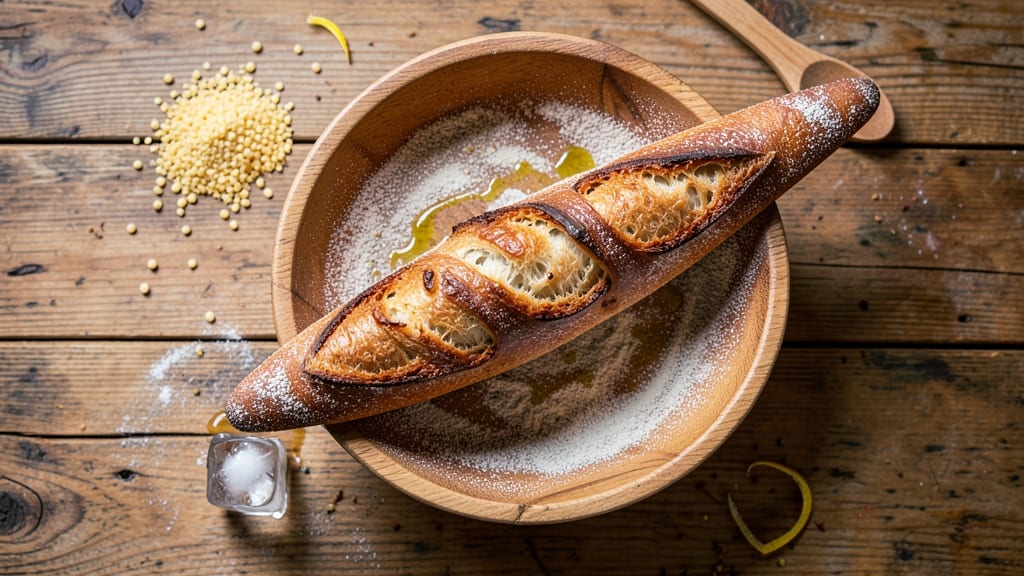
This artisan baguette bread recipe transforms simple ingredients into a golden, crisp-crusted loaf with an open, airy crumb—just like Parisian bakeries. The secret lies in precise dough development, proper shaping, and baking with steam for that signature oven spring.
I spent years perfecting this method, and the results speak for themselves: a baguette with a shatteringly crisp exterior and tender, chewy interior.
The process begins with a straightforward dough made from just four ingredients: high-quality flour, water, yeast, and salt. What sets this recipe apart is the autolyse step—a rest period that allows the flour to fully hydrate before kneading, which develops gluten more efficiently.
Proper shaping and proofing create those signature long, tapered baguettes with an open crumb structure that's impossible to achieve without patience and technique.
Baking in a Dutch oven captures steam, creating the ideal environment for that perfect crust and oven spring. The result is a baguette with a caramelized, golden-brown crust that snaps satisfyingly, while the interior remains soft and airy.
This is the kind of bread that elevates any meal—whether served warm with butter, dipped in olive oil, or used to soak up sauces.
The beauty of this recipe is its versatility. Use it as a side for soups and stews, pair it with charcuterie, or enjoy it fresh from the oven with your favorite toppings. Once you master this technique, you'll never buy store-bought baguettes again.
Ingredients for artisan baguette bread
Four core ingredients plus technique elevate simple flour to Parisian perfection.
| Ingredient | Amount | Notes |
|---|---|---|
| Bread Flour (High-Protein, 12-14%) 🌾 | 3 ½ cups | King Arthur or Caputo preferred |
| Water (Room Temperature) 💧 | 2 ¼ cups | Filtered preferred for clarity |
| Active Dry Yeast 🍞 | ¼ tsp | Freshly opened, not expired |
| Kosher Salt (Diamond Crystal) 🧂 | 1 ½ tsp | Fine grain for even dispersion |
| Cornmeal (For Dusting) 🌽 | ½ cup | Fine grind, not coarse |
| Ice Cubes (For Water Adjustment) ❄️ | ¼ cup | Optional for hydration control |
| Egg Wash (Optional) 🥚 | 1 whole | For golden crust finish |
| Coarse Sea Salt (For Topping) 🧂 | 1 tsp | Maldon preferred for flakes |
The flour is non-negotiable—King Arthur or Caputo bread flour with 12-14% protein delivers the gluten structure needed for that signature open crumb. Bulk bins at Whole Foods or specialty baking stores carry these, but avoid all-purpose flour which lacks the necessary gluten strength. For yeast, always check the expiration date—even if it's 'active dry,' old yeast won't activate properly. Room temperature water (70-75°F) is critical; too hot kills yeast, too cold slows fermentation. I keep my water in a glass jar beside the stove so it's always ready. The salt should be Diamond Crystal kosher—it dissolves completely and doesn't leave grainy residue in the dough.
No bread flour? All-purpose plus 1 tbsp vital wheat gluten per cup works in a pinch, though texture won't be identical. Substituting yeast? Instant yeast at half the amount can be mixed directly with flour. For water, tap is fine if your area has good filtration, but filtered or spring water yields cleaner-tasting bread. The ice cubes are a pro trick—add them to your water if your kitchen feels warm, preventing over-hydration. Skipping the egg wash? Brush with melted butter instead for richness. And that coarse sea salt topping? Maldon flaky salt is ideal, but any sea salt with large crystals works—just sprinkle it on after baking for that professional finish.
Store flour in an airtight container in a cool, dark place for up to 6 months. Yeast should be refrigerated once opened and used within 3 months. The dough itself can be shaped and refrigerated overnight for 12 hours before baking—this enhances flavor development. For longer storage, freeze shaped baguettes (unbaked) on a tray, then transfer to a bag for up to 3 months. Freshly baked baguettes stay crisp for 2 days at room temperature, wrapped in a clean kitchen towel. To revive stale bread, wrap in foil and bake at 350°F for 10 minutes.
Why You'll Love This Recipe
- No-Knead Magic: I swear by this—just mix the high-protein flour, yeast, and water (that’s it), let it rise overnight, and boom. No punishing kneading, no fancy tools, just hands-off perfection.
- Crust That Cracks: That diamond kosher salt on the crust? It’s the secret. The outside gets a golden, shatteringly crisp shell while the inside stays soft—like biting into a Parisian bakery’s secret.
- Weeknight Workhorse: Toss it in a lunchbox for sandwiches, tear it over salads, or use it to soak up olive oil like a sponge. Honestly, I’ve never met a meal it didn’t improve.
- Budget Goldmine: A single batch feeds my family for days—leftovers freeze like a dream, and the ingredients? Cheaper than takeout. Plus, it’s the kind of bread that makes you feel fancy without spending a dime.
Step-by-step instructions for artisan baguette bread
Mastering this technique delivers a crispy Dutch oven crust and airy crumb every time.
Mix Dough with Precision
In a large mixing bowl, combine the 3.5 cups bread flour and 1.5 tsp kosher salt. Create a well in the center and add the 0.25 tsp active dry yeast. Gradually pour in the 2.25 cups room temperature water, mixing with a wooden spoon until a shaggy dough forms. The dough should be tacky but not sticky—if it clings to your fingers, add 1-2 tablespoons more flour from the bowl.
For better hydration control, add the 0.25 cup ice cubes to the water before mixing. The cold temperature helps stabilize gluten development and creates a more open crumb structure. Knead the dough on a lightly floured surface for 8-10 minutes until smooth and elastic. You'll know it's ready when it springs back slowly when poked—this indicates proper gluten formation for that signature baguette texture.
Bulk Ferment for Optimal Flavor
Shape the dough into a loose ball and place it in a lightly oiled bowl, seam-side up. Cover with a damp kitchen towel and let ferment at room temperature for 1.5-2 hours. The dough should nearly double in size and develop small bubbles throughout. This bulk fermentation develops flavor and strengthens the gluten network for that characteristic open crumb.
I recommend using a digital thermometer to maintain a 75-78°F environment during fermentation. If your kitchen is cold, place the bowl near a warm spot like the oven with the light on. After bulk fermentation, gently deflate the dough and divide it into 4 equal pieces (about 12 ounces each). Shape each piece into a 14-inch log with tapered ends—this creates the classic baguette silhouette.
Cold Proof for Better Oven Spring
Place the shaped baguettes on a parchment-lined baking sheet, cover with a damp towel, and refrigerate for 12-18 hours. This cold proofing step is crucial—it allows the gluten to relax and develop flavor while maintaining structure. The cold temperature also creates steam during baking, contributing to that perfect open crumb.
Before baking, preheat your Dutch oven with its lid on high heat for 45 minutes until it's smoking hot. The extreme heat creates the signature crust. While the oven preheats, dust your work surface with 0.5 cup cornmeal and gently stretch each baguette to 18-20 inches long. The cornmeal prevents sticking and adds a subtle flavor to the crust.
Bake with Dutch Oven Precision
Carefully transfer the baguettes to the preheated Dutch oven using a peel or parchment paper. Place them seam-side down with about 1 inch between each loaf. Cover immediately with the lid and bake for 20 minutes. This steam phase develops the open crumb structure.
After 20 minutes, remove the lid and continue baking for another 10-15 minutes until the baguettes reach an internal temperature of 190-200°F and develop a deep golden brown color. For extra shine, brush the tops with 1 whole egg wash (optional) after removing the lid. The crust should sound hollow when tapped—this indicates proper baking.
Finish with Coarse Sea Salt
Remove the baguettes from the Dutch oven and transfer them to a wire rack. Immediately sprinkle generously with 1 tsp coarse sea salt while still hot. This step enhances flavor and creates those signature salt crystals on the crust. Let cool completely before slicing—this prevents the crumb from becoming gummy.
The baguettes will continue to develop flavor as they cool. For best results, serve within 24 hours when they're at their peak. Store any leftovers wrapped in a clean kitchen towel to maintain freshness. The contrast between the crispy crust and airy interior makes every bite satisfying.
Pro Tips For Making Artisan Baguette Bread
- Use a Thermometer for Water: Room temperature water should be exactly 75–80°F (24–27°C)—any hotter and you’ll kill the yeast, any cooler and it’ll take forever to rise. I learned this the hard way after a batch sat for 4 hours instead of 2 just because my water was straight from the fridge. Fill a bowl with water, let it sit for 10 minutes, then check—no guessing.
- Autolyse First, Always: Mix the flour and water alone for 30–60 minutes before adding yeast or salt—this relaxes the gluten and makes shaping easier. I skipped this for years, and my baguettes always felt dense or tore when scoring. Sounds weird, but it works: just flour, water, and patience.
- Score Deep and Fast: Use a razor blade (or very sharp knife) and cut all the way through the dough at a 45-degree angle—no half-hearted slashes. A dull blade crushes the crust instead of opening it for steam. Dip the blade in water first to prevent sticking, and work quickly so the dough doesn’t spring back.
- Preheat the Oven to 475°F: That’s peak baguette temperature—hot enough to blister the crust but not so hot the yeast dies mid-bake. I used to aim for 450°F and ended up with sad, pale loaves. Place a cast-iron Dutch oven (or baking stone) inside while preheating, then bake covered for 20 minutes before uncovering. No shortcut here—wait for the oven to scream hot.
Serving suggestions for this artisan baguette bread
Classic French Pairings
Serve your freshly baked baguettes with cold-pressed extra virgin olive oil and a sprinkle of flaky Maldon salt—this is the classic French approach that highlights the bread's crisp crust.
I love adding a garlic confit spread by mixing 2 tbsp minced garlic with ½ cup olive oil and letting it infuse for 1 hour before serving. For a vegetarian option, pair with whipped goat cheese and sliced heirloom tomatoes. 🥖
Charcuterie Board Star
Transform your baguette into the centerpiece of a charcuterie board by slicing it into ½-inch thick pieces and arranging it alongside cured meats like prosciutto and salami. Add aged cheeses (think Brie, Comté, or Manchego), cornichons, olives, and dried figs for contrast.
I always include a small bowl of mustard (Dijon or whole grain) and honeycomb for dipping. The crisp crust pairs perfectly with soft cheeses and fatty meats. 🧀
Soup and Stew Companion
Tear warm baguette slices into chunks and serve alongside French onion soup, pho, or minestrone for the ultimate dipping experience. The bread's open crumb soaks up broth beautifully while maintaining structure.
For extra flavor, toast the slices in the oven for 3-5 minutes at 375°F until golden before serving. I also love using baguette slices as a base for grilled cheese sandwiches—the crisp crust adds an extra layer of texture. 🍲
Breakfast Reinvention
Turn your baguette into a breakfast sensation by slicing it lengthwise and toasting it with butter and maple syrup for a sweet twist. Or, use it to make croque baguettes by layering with Gruyère cheese, ham, and a bechamel sauce, then broiling until golden.
For a lighter option, spread with ricotta cheese, sliced strawberries, and a drizzle of honey—this sweet-savory combo is a crowd-pleaser. 🍯
Dessert Upgrade
Don't let your baguette go to waste—use it for dessert! Slice into rounds, toast lightly, and top with warm Nutella, banana slices, and crushed hazelnuts for a French-inspired treat.
For something more elegant, create a baguette bread pudding by cubing stale slices, soaking in a custard mixture with vanilla, cinnamon, and raisins, then baking until golden. The crisp crust adds a delightful contrast to creamy desserts. 🍫
Global Fusion Twists
Get creative with international flavors! Use your baguette to make banh mi sandwiches by filling with pâté, pickled veggies, and sliced meats, then grilling until crisp. For a Mediterranean touch, serve with hummus, roasted red peppers, and feta cheese in a wrap.
Even a tuna melt gets an upgrade with this artisanal bread—try it with sharp cheddar and a spicy mayo** glaze. The possibilities are endless! 🌍
Nutrition facts
Frequently asked questions
Why does my baguette dough feel too sticky?
The dough should be tacky but not gluey. If it's too sticky, you likely need 1-2 tablespoons more bread flour during kneading. Remember, high-protein bread flour (12-14%) absorbs more water than all-purpose flour. For better control, use a digital scale to measure flour accurately—volume measurements can vary by cup type. The ideal dough should pull away from the bowl when lifted.
Can I bake baguettes without a Dutch oven?
Yes, but you'll need to create steam another way. Place a metal tray on the oven rack and pour 1 cup hot water into it when baking. For best results, bake on a perforated baking sheet to allow steam to circulate. Without a Dutch oven, the crust may be slightly less crisp, but you'll still achieve a good oven spring. Preheat your oven to 475°F for maximum heat transfer.
How do I know when the baguettes are fully baked?
Look for three key indicators: deep golden brown color, an internal temperature of 190-200°F (use an instant-read thermometer), and a hollow sound when tapped on the bottom. The crust should be crisp and the crumb should look open and airy. If the top browns too quickly, tent with foil during the final 5-10 minutes of baking.
What's the best way to store leftover baguettes?
Wrap cooled baguettes in a clean kitchen towel (not plastic) and store at room temperature for up to 2 days. For longer storage, freeze shaped (unbaked) baguettes on a tray, then transfer to a bag for up to 3 months. To revive stale bread, wrap in foil and bake at 350°F for 10 minutes. The towel method maintains crispness better than plastic bags.
Can I make baguettes with whole wheat flour?
Yes, but expect a denser texture and shorter shelf life. Replace 25% of the bread flour with whole wheat flour and add 1-2 extra tablespoons water since whole wheat absorbs more moisture. For better rise, consider using 1 tsp vital wheat gluten per cup of whole wheat flour to improve gluten structure. The flavor will be nuttier, but the crust may be less crisp.