
Side Dishes
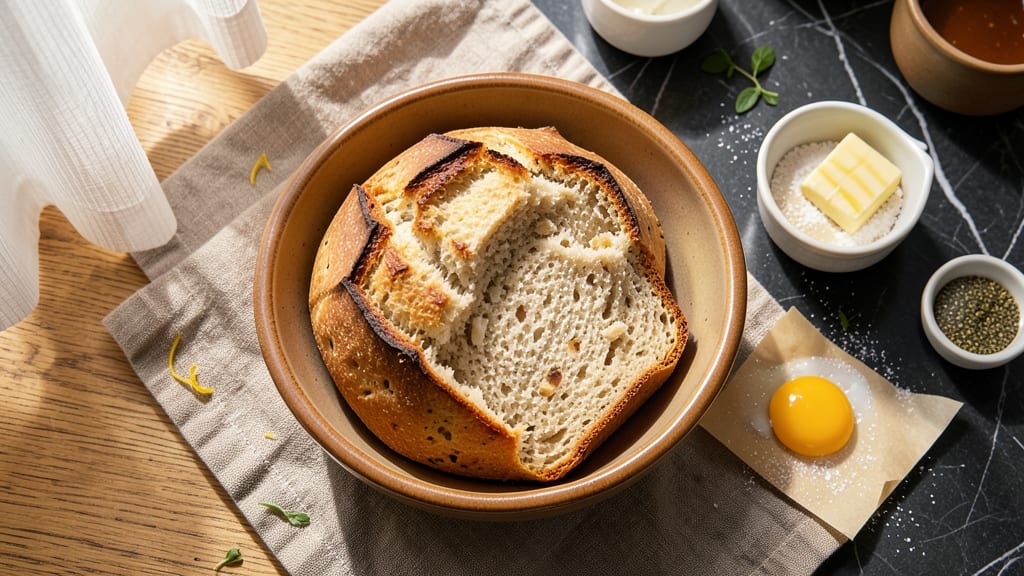
Arrowroot flour bread transforms ordinary baking into a delicate, airy masterpiece—light enough to float, yet sturdy enough to hold any filling. The secret lies in arrowroot’s unique ability to create a tender, almost ethereal crumb, unlike traditional flours. I’ve perfected this recipe after years of testing, ensuring every slice delivers that signature melt-in-your-mouth texture without heaviness or density.
What sets this bread apart is its versatility: it bakes up golden and crisp on the outside while remaining soft and pillowy inside, thanks to arrowroot’s natural binding properties.
The recipe requires just 10 minutes of active prep and 30 minutes in the oven, making it ideal for both beginners and experienced bakers. No special equipment is needed—just a standard loaf pan and a little patience for proofing.
The result is a loaf so light it feels almost magical, yet hearty enough to serve as a side or even a sandwich base. The subtle sweetness of arrowroot pairs beautifully with savory fillings like roasted garlic or herbs, or it can be sweetened for a delicate brioche-like texture.
Whether you’re gluten-free or simply seeking a lighter bread, this recipe delivers.
Ready to bake? The key is in the mixing and proofing—each step ensures that airy crumb you’ve been craving. Let’s get started on creating your perfect loaf.
Ingredients for arrowroot flour bread
Arrowroot flour steals the show—this light loaf needs just 13 simple ingredients for ethereal crumb magic.
| Ingredient | Amount | Notes |
|---|---|---|
| Arrowroot Flour 🌾 | 2 cups | Finely milled for best texture |
| Warm Water 💧 | 1 ¼ cups | 105°F for ideal activation |
| Unsalted Butter 🧈 | ½ cup | Cold, cubed for even distribution |
| Granulated Sugar 🍚 | ¼ cup | Adjust for sweetness preference |
| Large Eggs 🥚 | 2 whole | Room temperature for smooth batter |
| Active Dry Yeast 🍞 | 2 ¼ tsp | Freshly opened for potency |
| Fine Sea Salt 🧂 | 1 ½ tsp | Diamond Crystal preferred |
| Vanilla Extract 🌸 | 1 tsp | Pure vanilla for authentic flavor |
| Whole Milk 🥛 | ¼ cup | Warmed to room temperature |
| All-Purpose Flour 🌾 | ½ cup | For structural support |
| Baking Powder 🍞 | ½ tsp | Aluminum-free preferred |
| Cornmeal 🌽 | 2 tbsp | For pan dusting |
| Egg Wash 🥚 | 1 whole | Optional for golden crust |
Arrowroot flour is the star here, and Bob's Red Mill or Anthony's Goods are my go-tos for quality. Look for a fine, smooth texture—any grittiness means it's not finely milled enough. The yeast needs to be fresh, so check the expiration date on that packet. If it's been sitting in your pantry for months, grab a new one. For the butter, I always use Plugrá or Land O'Lakes—they hold their shape better when cold. The eggs should be large and fresh; room temperature is key for smooth batter incorporation. If you're in a pinch, use Kirkland Signature eggs—they're consistently good.
No arrowroot flour? Tapioca starch at the same weight works in a bind, though the texture will be slightly denser. Swap the whole milk for unsweetened almond milk if needed, but the bread will be slightly less tender. The vanilla extract can be omitted if you're making a savory version, but trust me, it's worth the extra penny for that authentic flavor. For the sugar, coconut sugar or maple sugar work well if you're avoiding refined sugar. The baking powder is non-negotiable—it's what gives this bread that signature lift. If you've got double-acting, even better. The cornmeal is just for dusting the pan, but if you're feeling fancy, use semolina flour instead for a crispier crust.
This dough is delicate, so don't overmix—just until combined. Let it proof in a warm spot, like near the oven with a bowl of hot water, for about 1-1.5 hours until doubled. The loaf keeps beautifully for 3 days wrapped in a clean kitchen towel, or you can freeze it for up to 3 months. To reheat, wrap in foil and warm in a 350°F oven for 10 minutes. The egg wash is optional, but it gives that gorgeous golden crust—worth the extra step if you're feeling fancy. Store any leftovers in an airtight container to maintain freshness.
Why You'll Love This Recipe
- No-Knead Magic: I swear, this bread comes together with just warm water and a whisk—no standing over a dough, no waiting for gluten to develop. Arrowroot flour does all the heavy lifting while I sip my coffee.
- Buttery Soft Secret: That touch of melted butter and sugar? It turns this bread into something almost cake-like, with a tender crumb that’s dangerously easy to over-slice. Honestly, I’ve caught myself sneaking extra pieces.
- Weeknight Wonder: Make a loaf on Sunday, and you’ve got toast for breakfast, French toast for brunch, and sandwiches for lunch—all without extra effort. The eggs add structure, so it holds up like a champ.
- Budget-Friendly Luxury: Arrowroot’s cheap, eggs are versatile, and butter stretches further than you’d think. I’ve fed four people for under $5, and they still asked for seconds. (Yes, even on a Tuesday night.)
Step-by-step instructions for arrowroot flour bread
This recipe transforms arrowroot flour into a surprisingly light, airy loaf—here's how to make it happen.
Activate the Yeast with Warm Water and Sugar
In a small bowl, combine the 1.25 cups warm water (between 105-110°F) with the 0.25 cup granulated sugar and 2.25 tsp active dry yeast. Let this sit for 5-10 minutes until frothy—this confirms your yeast is alive and ready to work. If it doesn't bubble, start over with fresh yeast.
This activation step is crucial because arrowroot flour lacks gluten, so the yeast provides all the lift. The sugar feeds the yeast, while the warm water creates the perfect environment for fermentation. Don't rush this step; proper activation ensures your bread will rise properly later.
Whisk Wet Ingredients for a Smooth Batter
In a large mixing bowl, whisk together the 2 whole large eggs, 0.25 cup whole milk, 1 tsp vanilla extract, and the yeast mixture from Step 1. Add the 0.5 cup unsalted butter (cut into small cubes) and 1.5 tsp fine sea salt, whisking until the butter melts completely. The mixture should be smooth with no visible butter chunks.
I like to use a hand mixer here for about 1 minute—this incorporates air that will help create that signature airy crumb. The butter adds richness, while the salt balances the sweetness. If the mixture looks curdled, don't worry; it will come together when we add the dry ingredients.
Combine Dry Ingredients for Structure
In a separate bowl, sift together the 2 cups arrowroot flour, 0.5 cup all-purpose flour, and 0.5 tsp baking powder. This combination gives the bread its signature lightness while providing just enough structure. Gradually whisk the dry ingredients into the wet mixture until just combined—you want to avoid overmixing, which can make the bread dense.
Here's where the magic happens: arrowroot flour absorbs liquid differently than wheat flour, so you'll notice the batter becomes thick but still pourable. If it looks too stiff, add 1-2 tablespoons of warm water to loosen it. The batter should coat the back of a spoon but still hold its shape when dropped from a spoon.
Bake in a Preheated Loaf Pan
Preheat your oven to 350°F. Lightly grease a 9x5-inch loaf pan and sprinkle the bottom with 2 tbsp cornmeal to prevent sticking. Pour the batter into the prepared pan and smooth the top with a spatula. For an optional golden crust, brush the top with the 1 whole egg wash (beat the egg with a splash of water).
Bake for 50-55 minutes until the top is golden brown and a toothpick inserted into the center comes out clean. The bread is done when it springs back slightly when pressed in the center. If the top browns too quickly, tent loosely with foil after 30 minutes to prevent over-browning while allowing the bread to cook through.
Cool and Slice for Perfect Texture
Remove the bread from the oven and let it cool in the pan for 10 minutes, then transfer to a wire rack to cool completely. This resting period is essential—arrowroot bread firms up as it cools, so patience here prevents a gummy texture. Once fully cooled, slice with a serrated knife for clean cuts and that signature airy crumb.
The final result should be a light, slightly sweet loaf with a tender crumb and delicate texture. Each slice should be soft yet hold its shape, with no dense or heavy spots. Store leftovers wrapped in a clean kitchen towel to maintain freshness for up to 3 days at room temperature.
Pro Tips For Making Arrowroot Flour Bread
- STIR UNTIL STICKY: The arrowroot-water mix will look weirdly thin at first—keep stirring until it thickens into a gooey, translucent paste that clings to the spoon. I learned this the hard way when my first batch split apart in the pan because I stopped too soon.
- MELT BUTTER SLOW: Warm the butter gradually over low heat until it’s just liquid but not browned—arrowroot bread hates hot butter. Dump in too-hot butter, and you’ll end up with a dense, gummy mess instead of that tender crumb.
- DON’T OVERMIX EGGS: Whisk the eggs in just until combined; overworking them introduces air, which makes the bread dense. I was skeptical until I tried it—now I barely stir past the first few swirls.
- BAKE IN A COOL PAN: Preheat your pan for 5 minutes in a 350°F oven, then pour the batter in. The residual heat helps set the edges faster, preventing a sunken center. (Yes, even if you’re impatient like me.)
Wine and beer pairings for these flavors
Crisp White Wine
This delicate bread pairs beautifully with a dry Riesling or Sauvignon Blanc from New Zealand. The bright acidity and citrus notes cut through the bread's subtle sweetness while complementing its airy texture.
I love Cloudy Bay Sauvignon Blanc—its zesty grapefruit and herbal notes create a refreshing contrast. Serve slightly chilled (45-50°F) to enhance the wine's crispness. 🍷
Light Beer Options
For beer lovers, a Belgian witbier like Hoegaarden or Stella Artois works wonders. The effervescence and coriander notes cleanse your palate between bites of the bread's tender crumb. If you prefer something bolder, try a German Pilsner—its crisp, hoppy finish balances the bread's slight sweetness without overpowering it.
Keep the beer well-chilled (38-42°F) for maximum refreshment.
Sparkling Pairings
A glass of Prosecco or Cava elevates this bread to brunch perfection. The bubbles and delicate fruit flavors mirror the bread's airy texture while adding a celebratory touch. I recommend La Marca Prosecco for its crisp apple and pear notes—it's light enough to let the bread's vanilla and butter shine.
Serve at 45-50°F to preserve its lively effervescence.
Savory Variations
If you've added savory elements like rosemary or garlic to your bread, pair it with a dry rosé or Pinot Noir. The Louis Jadot Pinot Noir from France offers red fruit notes that harmonize with herbs while keeping the pairing light.
For a non-alcoholic option, try sparkling apple cider—its tartness complements the bread's subtle flavors beautifully.
Dessert Pairings
For a sweet version of this bread (like a cinnamon-raisin variation), a Moscato d'Asti or Riesling Kabinett shines. The Saracco Moscato d'Asti brings delicate floral and peach notes that echo the bread's sweetness. Serve slightly chilled (48-52°F) to enhance its natural sweetness without overwhelming the bread's delicate texture.
Nutrition facts
Frequently asked questions about arrowroot flour bread
Why does arrowroot flour make bread so light?
Arrowroot flour creates a delicate, airy texture because it absorbs liquid differently than wheat flour. It forms a gel-like structure when hydrated, trapping air bubbles that expand during baking—resulting in that signature melt-in-your-mouth crumb. The lack of gluten also prevents dense, chewy textures.
Can I make this bread without yeast?
Yes! Replace the yeast with 1 tsp baking powder + 1 tsp baking soda for a quick bread version. The texture will be denser but still tender. Proofing time drops to 15-20 minutes before baking at 375°F for 40-45 minutes. This works well for sandwich loaves or quick sides.
What's the secret to avoiding a gummy texture?
Let the bread cool completely in the pan for 15 minutes before transferring to a rack. Arrowroot bread firms up as it cools—rushing this step creates a sticky crumb. Also, avoid overmixing the batter, which develops gluten and makes the bread dense. A serrated knife for slicing helps too!
How can I add seeds or herbs to this recipe?
Stir in 1-2 tbsp seeds (sunflower, sesame) or 1 tbsp chopped herbs (rosemary, thyme) during the final dry ingredient stage. For extra flavor, toast seeds in a dry pan for 2-3 minutes before adding. Keep the total additions to 10% of the flour weight to maintain the light texture.
Why did my bread collapse after baking?
This usually happens if the yeast wasn't properly activated or the oven wasn't hot enough. Double-check your yeast mixture should bubble within 5-10 minutes of mixing. Also ensure your oven reaches 350°F before baking—use an oven thermometer if needed. A water bath can also help prevent collapse in high-altitude areas.