
Side Dishes
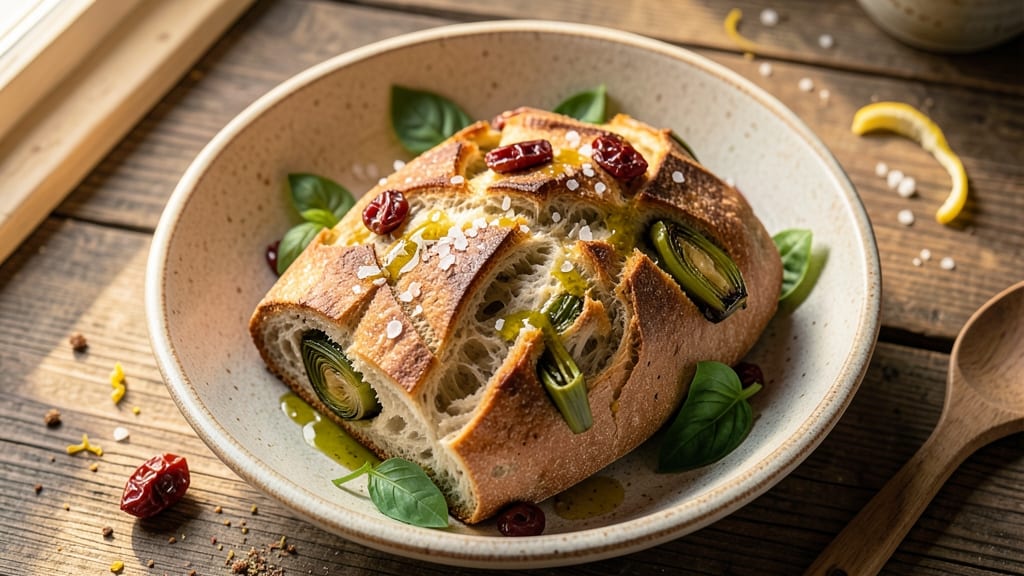
This Arcangeli artichoke bread recipe brings a taste of Italy's coastal regions to your table, where artichokes transform simple bread into a savory masterpiece. The secret lies in blending tender artichoke hearts with fragrant herbs and olive oil, creating a crust that's both crisp and aromatic.
I've perfected this recipe over years of baking, ensuring every bite delivers that perfect balance of tangy artichoke and herby richness.
The dough starts with a basic Italian bread foundation, but it's the artichoke filling that makes this dish truly special. Fresh or marinated artichoke hearts are mixed with garlic, parsley, and olive oil, then folded into the dough before shaping into a rustic loaf.
Baking at high heat creates a golden crust that locks in all those delicious flavors inside.
What you'll end up with is a loaf of bread that's hearty enough to serve as a main course or a stunning appetizer. The artichoke filling adds a subtle tang that pairs beautifully with olive oil, while the crust stays perfectly crisp.
This bread is perfect for pairing with soups, salads, or even as a side to grilled meats.
The best part? This recipe is versatile enough to adapt to your preferences. Add grated pecorino cheese for extra depth, or mix in sun-dried tomatoes for a modern twist. Once you try this, you'll understand why Arcangeli artichoke bread has been a staple in Italian kitchens for generations.
Ingredients for arcangeli artichoke bread
Four cups of flour kickstart this rustic Italian masterpiece—where artichokes meet herby magic.
| Ingredient | Amount | Notes |
|---|---|---|
| All-Purpose Flour 🌾 | 4 cups | Plus 2 tbsp for dusting |
| Extra-Virgin Olive Oil 🫒 | ½ cup | High quality, fruity |
| Active Dry Yeast 🍞 | 2 tsps | Or 1 packet instant yeast |
| Warm Water 💧 | 1 ¼ cups | 110°F for activating yeast |
| Granulated Sugar 🍚 | 1 tbsp | For yeast activation |
| Salt 🧂 | 1 ½ tsps | Diamond Crystal preferred |
| Marinated Artichoke Hearts 🍃 | 1 cup | Chopped, drained well |
| Fresh Parsley 🌿 | ½ cup | Chopped, stems removed |
| Garlic Cloves 🧄 | 3 cloves | Minced, fresh preferred |
| Dried Oregano 🍃 | 1 tsp | Italian or Mediterranean |
| Pecorino Romano Cheese 🧀 | ½ cup | Freshly grated, optional |
| Sun-Dried Tomatoes 🍅 | ¼ cup | Chopped, optional twist |
| Coarse Sea Salt 🧂 | 1 tbsp | For crust sprinkling |
| Cornmeal 🌽 | ¼ cup | For baking sheet |
The artichoke hearts make or break this bread. Marinated hearts from the Italian section at Whole Foods or Trader Joe's are perfect—they're already tender and packed with flavor. Look for jars with no added oil, just lemon juice and herbs. Fresh artichokes? Peeled and chopped into the mix, but they're trickier to work with. The parsley? Fresh is non-negotiable—dried loses its pop. For the olive oil, California brands like Corto or Lucini bring that fruity punch that makes this bread sing. And if you're feeling fancy, Pecorino Romano from the cheese counter adds that salty depth that Italian bread craves.
No marinated artichokes? Water-packed hearts work in a pinch—just drain and pat them dry. Fresh parsley too expensive? Dried Italian seasoning at half the amount gets you close, though it won't have that bright freshness. Short on time? Pre-chopped frozen artichokes thawed and drained are surprisingly good. The sun-dried tomatoes? Omitted entirely if you're keeping it classic, but they add this amazing sweet-savory contrast. For the dough, if your yeast is old, proof it first in warm water to make sure it's active—nothing worse than flat bread. And trust me, Diamond Crystal kosher salt dissolves better than table salt, so your dough won't taste salty before it's fully mixed.
This dough needs time to develop flavor—1-2 hours of rising at room temp, then another 4-6 hours in the fridge. The longer it rests, the better it tastes. Shape it into a rustic loaf on a cornmeal-dusted baking sheet—no need for fancy pans. Brush the crust with olive oil and sprinkle that coarse sea salt while it bakes. It keeps 3-4 days wrapped at room temp, but honestly? Freeze half the dough before shaping—thaw and bake straight from frozen for lazy days. The artichoke filling stays fresh for 5 days in the fridge, so make extra and use it in pasta or salads.
Why You'll Love This Recipe
- No-Knead Magic: I swear by this dough—just mix, rest, and bake. The yeast does all the work while you sip coffee, and that olive oil keeps it tender without fuss. (Yes, even on a Tuesday night.)
- Artichoke-Garlic Crunch: The moment the warm bread hits your plate with that crispy, herby crust? Pure satisfaction. The olive oil and yeast create a golden bite, while the artichokes add a briny, earthy punch that makes it irresistible.
- Weeknight Hero: This bread is my go-to for sandwiches, toast, or even a quick side. The dough keeps well for days, so I bake a batch on Sunday and use it all week—no sad, stale leftovers here.
- Budget-Friendly Staple: Flour, yeast, and olive oil are pantry basics, and a single loaf feeds four. I make two, freeze one, and never stress about grocery runs. Honestly, it’s the kind of recipe that saves money and time.
Step-by-step instructions for Arcangeli artichoke bread
This rustic Italian bread gets its signature tangy kick from marinated artichokes and herbs—let's make it shine.
Activate the Yeast and Mix the Dough
In a small bowl, whisk together the 1.25 cups warm water (tested at 110°F), 1 tbsp granulated sugar, and 2 tsps active dry yeast. Let it sit for 5-10 minutes until frothy—this tells you the yeast is alive and ready to work. If it doesn't bubble, your bread won't rise properly.
In a large mixing bowl, combine the 4 cups all-purpose flour and 1.5 tsps salt. Make a well in the center and pour in the yeast mixture along with the 0.5 cup extra-virgin olive oil. Using a wooden spoon or your hands, stir until everything comes together into a shaggy dough. Here's the thing—you want it sticky but manageable. If it's too dry, add 1 tbsp warm water at a time until it just holds together.
Knead Until Silky Smooth
Turn the dough onto a lightly floured surface and knead for 8-10 minutes until smooth and elastic. You'll know it's ready when it springs back slowly when poked. I like to use the "windowpane test"—stretch a small piece thin enough to see light through it without tearing.
Real talk: This is where the magic happens. Kneading develops gluten, which gives your bread that perfect chewy texture. Don't skip it—even if your arms get tired, push through. If the dough sticks too much, wet your hands slightly instead of adding more flour.
Let the Dough Rise Twice for Maximum Flavor
Place the dough in a lightly oiled bowl, cover with a damp towel, and let it rise in a warm place for 1-2 hours or until doubled in size. The kitchen should feel warm—if it's chilly, turn on your oven light to create a cozy environment. Poke the dough gently; if it springs back slowly, it's ready.
After the first rise, punch down the dough to release air bubbles. This is crucial for even flavor distribution. Then, divide the dough into 4 equal portions (about 1 pound each) and shape them into rustic loaves. Place them on a baking sheet dusted with 2 tbsp all-purpose flour and cover again. Let them rise for another 30-45 minutes until puffy.
Add the Artichoke and Herb Topping
While the dough rises, prepare the topping by chopping the 1 cup marinated artichoke hearts (drained well), 0.5 cup fresh parsley, 3 cloves garlic (minced), 1 tsp dried oregano, 0.5 cup pecorino romano cheese, and 0.25 cup sun-dried tomatoes (chopped). Mix everything in a bowl—this vibrant blend will give your bread its signature flavor.
Once the dough has risen, preheat your oven to 375°F. Sprinkle 0.25 cup cornmeal on a baking sheet to prevent sticking. Press the artichoke-herb mixture into the tops of each loaf, pressing gently so it adheres. Here's where it gets fun—the cheese and herbs will melt into a golden, flavorful crust as it bakes.
Bake to Golden Perfection
Bake the bread for 25-30 minutes until the crust is deep golden brown and sounds hollow when tapped on the bottom. The internal temperature should reach 190-200°F. Don't walk away—this is the moment that matters. If the tops brown too quickly, tent with foil to prevent burning.
Transfer the bread to a wire rack and let it cool for 10 minutes before slicing. The crust should be crisp, the interior soft and airy, and every bite should burst with artichoke and herb flavors. Serve warm with olive oil for dipping—this bread is best enjoyed fresh from the oven!
Pro Tips For Making Arcangeli Artichoke Bread
- Weigh Your Flour: I learned this the hard way—scooping flour from the bag packs too much air into the dough, making it dense and gummy. Use a kitchen scale for the all-purpose flour; 400 grams gives the right lightness for this recipe, especially when folded with artichokes.
- Proof the Yeast Slowly: If your kitchen runs hot, skip the warm water trick and proof the yeast in room-temperature water instead. The yeast needs time to activate—about 5-10 minutes—without overheating. A sluggish start means weaker dough, and nobody wants a dense loaf.
- Fold Artichokes Gently: This isn’t the prettiest method, but it’s the tastiest: after chopping the artichokes, pat them dry with a paper towel to remove excess moisture. Wet artichokes make the dough sticky and gummy—no one wants to fight dough when shaping it.
- Shape Tightly, Rest Longer: Don’t rush the shaping—press the dough into a tight, compact loaf with smooth sides. Then, let it rest under a towel for 30 minutes before baking. This ensures the artichokes stay put and the crust crisps properly without cracking. (Yes, even if you’re impatient like me.)
Health benefits of these flavors
Artichoke Antioxidant Boost
Marinated artichoke hearts bring prebiotic fiber and antioxidants like chlorogenic acid to your table—great for gut health and reducing inflammation. A 1-cup serving (about what you use in this recipe) provides 30% of your daily fiber, supporting digestion while keeping you full longer.
The vitamin C in artichokes also boosts immunity, making this bread a powerhouse for your midday meal. 💪
Herb-Packed Nutritional Perks
Fresh parsley and garlic in this recipe aren’t just for flavor—they’re nutrient bombs. Garlic contains allicin, a compound linked to heart health, while parsley provides vitamin K (for bone strength) and folate (for cell repair).
Even the oregano adds antioxidants like rosmarinic acid, which may help fight oxidative stress. Every herb-packed bite is secretly doing your body good! 🌿
Whole Grain Advantage
While this recipe uses all-purpose flour, swapping in half whole wheat flour (about 2 cups) boosts fiber and B vitamins without sacrificing texture. Whole grains slow digestion, helping stabilize blood sugar—perfect for a satisfying side that won’t leave you crashing later.
The olive oil also adds heart-healthy monounsaturated fats, balancing the meal’s nutritional profile. 🥖
Low-Calorie, High-Flavor
This bread is surprisingly light on calories—a 1-inch slice delivers just 120-140 calories, making it guilt-free for a hearty side. The artichokes add tangy depth without extra fat, while the cheese and herbs create a savory explosion that satisfies cravings.
It’s the perfect balance: nutrient-dense without feeling heavy, so you can enjoy it daily without worry. ✨
Gluten-Free Adaptation
For gluten-sensitive eaters, replace the all-purpose flour with a 1:1 gluten-free blend (like Bob’s Red Mill) plus 1 tsp xanthan gum to mimic elasticity. The artichoke-herb topping stays the same, but expect a slightly denser crumb.
Pair with a dairy-free cheese like nutritional yeast for that cheesy kick without gluten. Still packed with fiber and antioxidants—just adapted for dietary needs! 🌱
Nutrition facts
Frequently asked questions
Can I use fresh instead of marinated artichokes?
Yes, but with adjustments! Fresh artichokes need to be peeled, chopped, and cooked until tender (boil for 10-15 minutes or steam for 12 minutes) before mixing into the dough. They'll release more moisture, so drain well and pat dry to avoid a soggy bread. For best flavor, use 1 cup fresh hearts—just remember they won't have the tangy marinade kick.
How do I prevent the bread from getting too dense?
Over-kneading or under-rising are the usual culprits. Knead just until the dough is smooth (8-10 minutes) and let it rise fully—both times! A warm kitchen helps, but if your space is chilly, use a proofing box or turn on the oven light. Also, don't skip the 10-minute cooling period after baking—cutting too soon traps steam and makes the crumb gummy.
What's the best way to store leftover artichoke bread?
Wrap tightly in plastic wrap or foil and store at room temperature for 3-4 days—it stays fresh longest this way. For longer storage, freeze the whole loaf (unwrapped) for up to 3 months. Thaw overnight in the fridge, then warm in a 350°F oven for 5-10 minutes to revive the crust. Toasting slices also works beautifully!
Can I make this bread without cheese?
The cheese adds richness, but it's optional. If omitting, reduce the olive oil to 0.4 cup to balance flavors. For a vegan version, use nutritional yeast (1 tbsp) mixed with a pinch of salt. The artichoke-herb combo still shines—just with a lighter, more rustic profile. The crust will be slightly less golden but equally delicious!
Why did my bread turn out flat?
Flat bread usually means the yeast didn't activate properly or the dough didn't rise long enough. Double-check your yeast—it should be fresh (dated within 4 months) and dissolved in 110°F water (use a thermometer!). If your kitchen is cold, extend rising time by 30-60 minutes. Also, ensure you punched down the dough after the first rise to release air bubbles before shaping.