
Side Dishes
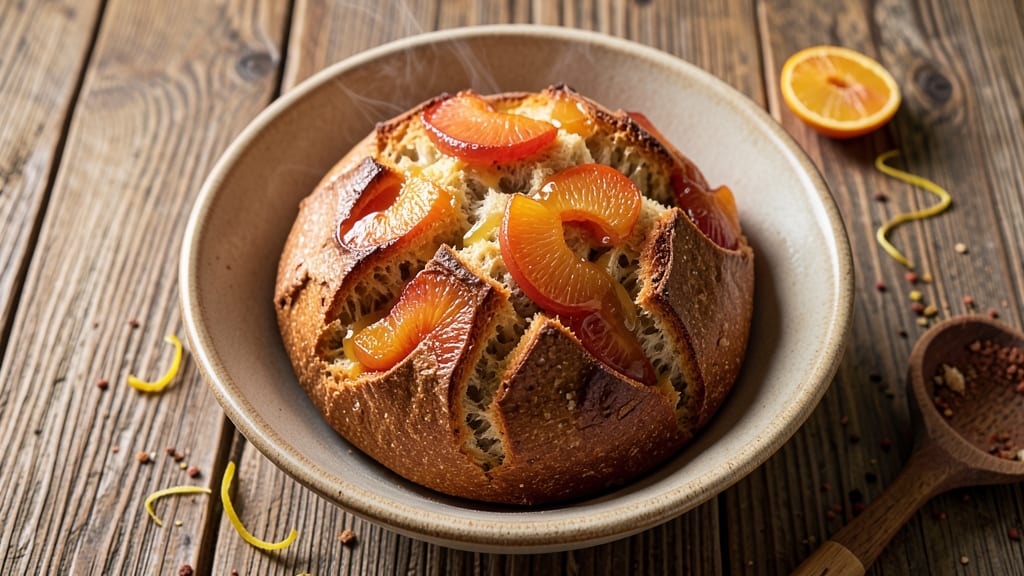
This apricot sourdough bread recipe transforms your kitchen into a bakery with its golden crust and sweet-tart fruit swirls—no experience needed. The secret lies in balancing fermentation times for that signature tang and a crispy exterior that crackles when you slice.
I developed this version after years of perfecting sourdough, ensuring the apricot (whether fresh, jam, or dried) stays vibrant and jammy without overpowering the bread's rustic depth.
The process begins with activating your starter, then mixing a hydrated dough that develops gluten naturally through slow fermentation. Shaping the swirls requires gentle handling to maintain structure while keeping the fruit evenly distributed.
Proofing at the right temperature ensures oven spring, giving you that coveted airy crumb and crackly crust that makes every bite satisfying.
What you'll end up with is a loaf that's both artisanal and approachable—crusty on the outside, tender within, with pockets of apricot that burst with each bite.
The sweetness of the fruit contrasts beautifully with the bread's tangy sourdough base, creating a harmony that's perfect for breakfast toast or gifting to neighbors. This recipe delivers professional-quality results with just a few key techniques.
Whether you're a seasoned baker or trying sourdough for the first time, this method is designed to build confidence. The step-by-step instructions guide you through each phase, from mixing to scoring, ensuring your first loaf turns out as beautifully as your tenth.
Let's get started on creating bread that tastes like a European bakery brought home.
Ingredients for apricot sourdough bread
Golden crust and vibrant apricot swirls—just these ingredients transform simple flour into bakery-quality bread.
| Ingredient | Amount | Notes |
|---|---|---|
| Active Sourdough Starter 🍞 | ½ cup | 100% hydration, bubbly and active |
| All-Purpose Flour 🌾 | 4 cups | King Arthur or similar high-protein |
| Unbleached Bread Flour 🌾 | 1 cup | For better gluten development |
| Granulated Sugar 🍚 | ¼ cup | Organic preferred for flavor |
| Instant Yeast 🍞 | ¼ tsp | For consistent rise |
| Salt 🧂 | 1 ½ tsp | Diamond Crystal preferred |
| Whole Milk 🥛 | ½ cup | Full-fat for richness |
| Unsalted Butter 🧈 | ½ cup | Cold, cubed for swirls |
| Fresh Apricots 🍑 | 1 cup | Pitted, sliced (or dried) |
| Apricot Jam 🍯 | ¼ cup | High-quality, no added sugar |
| Egg 🥚 | 1 whole | For egg wash |
| Cornmeal 🌽 | ¼ cup | For dusting baking sheet |
| Water 💧 | 1 cup | Room temperature |
The sourdough starter is non-negotiable here—it's what gives that signature tang. King Arthur or Bobs Red Mill flours are my go-tos for their high protein content, which develops that perfect chewy crumb. For the apricots, fresh is ideal but dried apricots soaked in warm water work beautifully too. If using jam, look for brands with minimal additives—like Bonne Maman. The butter should be cold when you cube it for those buttery swirls that melt into the dough during proofing. Store your starter in a glass jar with a loose lid to prevent spills and maintain airflow.
No fresh apricots? Dried apricots rehydrated in warm water or even apricot preserves will work in a pinch. Substituting bread flour for all-purpose? Add 1 tsp vital wheat gluten to mimic the protein structure. For a less sweet loaf, reduce the sugar to 0.125 cup. The egg wash can be swapped for milk plus 1 tsp sugar if you prefer. If your kitchen runs hot, proof the dough in a cooler spot to prevent over-rising. And trust me, the cornmeal on the baking sheet isn't just for looks—it prevents sticking and adds that classic crunch.
Once baked, this loaf stays fresh for 3-4 days if wrapped tightly in plastic. For longer storage, slice and freeze portions—up to 3 months. Reheat slices in a 350°F oven for 5-7 minutes to restore that bakery-fresh crunch. The crust is best enjoyed within the first day, so plan to bake when you're ready to eat it. If you make extra, gift it to neighbors—it disappears fast!
Why You'll Love This Recipe
- Sweet & Simple Mix-In: I swear by this recipe because the apricots—just chopped, not puréed—add bursts of jammy flavor without extra work. No fancy techniques, just toss them straight into the dough with the sugar.
- Tangy-Sweet Magic: That sourdough starter gives it a deep, funky backbone while the sugar caramelizes into golden pockets. It’s not too sweet, not too sour—just dangerously addictive with every bite.
- Weeknight Hero: Between us, this bread is my go-to for breakfast toast, lunch sandwiches, or even a quick charcuterie snack. The dough’s forgiving, and it keeps well for days—so I make a big batch and forget about it.
- Budget-Friendly Luxury: Honestly, the ingredients cost pennies but taste like a bakery treat. The bread flour gives it that perfect chew, while the apricots feel special without breaking the bank. Leftovers? Toast them up—no waste.
Step-by-step instructions for apricot sourdough bread
Here's how to craft a loaf with a golden crust, tender crumb, and those irresistible swirls of apricot.
Prepare the Apricot Filling and Swirl Dough
First, make the filling by combining the 1 cup fresh apricots (pitted and sliced) with the 0.25 cup apricot jam in a small saucepan. Warm over low heat for 3-4 minutes until the jam softens and coats the fruit. Let this cool completely before using.
Next, create the swirl dough by mixing the 0.5 cup unsalted butter (cold and cubed) with 0.5 cup whole milk in a small bowl. This butter-milk mixture will create tender pockets in the bread. Set aside.
Mix the Main Dough and Incorporate the Starter
In a large mixing bowl, combine the 0.5 cup active sourdough starter, 1 cup water, 0.25 cup granulated sugar, 0.25 tsp instant yeast, and 1.5 tsp salt. Add 4 cups all-purpose flour and 1 cup unbleached bread flour, then mix using a dough hook attachment on medium speed for 4-5 minutes until a shaggy dough forms.
Knead the dough for an additional 8-10 minutes until it becomes smooth and elastic, pulling away from the sides of the bowl. The dough should be slightly tacky but not sticky. If it feels too dry, add 1 tablespoon water at a time until it reaches the right consistency.
Divide, Shape, and Swirl the Dough
Divide the dough into two equal portions. Roll one portion into a 12-inch log and place it on a parchment-lined baking sheet. Spread the cooled apricot filling evenly over the log, leaving a ½-inch border at the edges. Roll the second dough portion into another 12-inch log and place it on top of the filling.
Seal the edges tightly by pinching the dough together, then gently press down to create a ½-inch thick rectangle. Use a sharp knife to make 3-4 diagonal cuts across the top, creating a swirl pattern. This not only looks beautiful but also helps the bread rise evenly.
Proof and Shape for the Final Rise
Cover the shaped loaf with a damp kitchen towel and let it proof at room temperature for 1-2 hours, or until it has nearly doubled in size. The dough should feel springy when pressed gently with a finger—it should leave a slight indent but not flatten completely.
Once proofed, transfer the dough to a lightly floured surface and gently reshape it into a round loaf, tucking the edges underneath. Place it seam-side up on a second parchment-lined baking sheet, dusted with 0.25 cup cornmeal to prevent sticking. Cover again and let it rise for another 30-45 minutes until it springs back slowly when poked.
Bake to a Golden, Crusty Perfection
Preheat your oven to 375°F with a baking stone or inverted baking sheet inside. Once preheated, brush the loaf with the 1 whole egg beaten with 1 tablespoon water for a shiny, golden finish. Bake for 30-35 minutes until the crust is deep golden brown and the internal temperature reaches 190-200°F.
For extra crispiness, you can also place a metal tray filled with 1 cup boiling water in the oven during the last 10 minutes of baking. This creates steam, which helps develop that coveted crust. Let the bread cool on a wire rack for at least 1 hour before slicing—this ensures clean cuts and prevents a gummy texture.
Pro Tips For Making Apricot Sourdough Bread
- Test Your Starter First: Skip the apricot bread if your starter’s sluggish—it should float in water like a happy log. A slow starter means weak structure, and no amount of sugar or fruit will fix that. Feed it 12 hours ahead and check for bubbles before committing.
- Weigh Your Flours: Measuring cups lie. Bread flour and all-purpose flour pack differently, and your dough’s hydration will suffer. Use a scale for precision—5% variation in flour weight throws off the whole loaf. (I learned this after three dense, sad apricot bricks.)
- Soak Apricots Overnight: Dried apricots need a good soak (at least 4 hours, ideally overnight) to soften and plump. Skip this, and they’ll stay chewy and unevenly distributed. Drain well, but reserve the liquid—it adds moisture and depth to the dough.
- Shape Tight, Not Pretty: Don’t stress about a perfect boule—press the dough firmly into a tight round or batard. A loose shape means weak gluten, and your loaf will collapse in the oven. (Yes, it’ll look lumpy, but that’s how you get a crisp crust and airy crumb.)
Pro cooking tips for this dish
Starter Readiness
Your sourdough starter is the foundation—it must be 100% hydrated, bubbly, and active before using. I test mine by doing the "float test": drop a spoonful in water. If it floats, it's ready.
Feed your starter 12-24 hours before baking with equal parts flour and water, and keep it at 70-75°F for optimal fermentation. A cold starter slows down the process, while one that's too warm can make your bread taste sour. 🍞
Dough Hydration Balance
This recipe uses a 65% hydration dough (total water relative to flour), which gives a tender yet sturdy crumb. If your kitchen is dry, add 1 tablespoon extra water to prevent cracking during proofing.
For extra tenderness, I sometimes replace 2 tablespoons of water with whole milk—the fat keeps the crumb soft longer. Weigh your flour for precision; 1 cup all-purpose flour weighs about 120g, but brands vary.
Apricot Integration
Fresh apricots work best, but dried apricots soaked in warm water for 10 minutes—drained well—are a great substitute. For even distribution, spread the filling on the bottom log evenly, leaving a ½-inch border to prevent overfilling.
If using jam, warm it slightly to make it more pliable. Overstuffing can cause the dough to tear during shaping—keep it light!
Proofing Temperature
Proofing at 75-78°F is ideal, but most home kitchens are cooler. If your kitchen is below 70°F, extend proofing time by 30-60 minutes—the dough should nearly double in size.
For faster proofing, place the dough in a turned-off oven with a bowl of hot water to create a warm, humid environment. Overproofing leads to a dense loaf, so check for springiness by pressing gently—it should bounce back slowly.
Scoring for Success
Use a sharp lame or razor blade for clean cuts. Score ¼-inch deep at a 45-degree angle to guide the oven spring. A dull blade tears the dough, causing uneven rising. For a rustic look, make 3-4 diagonal cuts across the top.
Avoid cutting too deep—this can let steam escape, weakening the crust. Practice on scrap dough first if you're new to scoring!
Baking with Steam
Steam is key for that bakery-style crust. Place a tray of boiling water in the oven during the last 10 minutes of baking, or spray the dough with water right before baking. This creates a moist environment that encourages the Maillard reaction, giving you that deep golden color.
If your oven runs hot, reduce the temperature to 350°F for the last 15 minutes to prevent over-browning. 🔥
Nutrition facts
Frequently asked questions
Can I substitute apricot jam for fresh apricots?
Yes! Use 0.25 cup apricot jam instead of fresh fruit, but warm it slightly to make it more pliable for spreading. For best results, choose a high-quality jam with minimal additives. If using jam, you can skip the warming step in the filling preparation since it's already spreadable.
How do I know when my sourdough starter is ready?
Test it with the "float test": drop a spoonful in water. If it floats, your starter is active and ready! Feed it 12-24 hours before baking with equal parts flour and water, and keep it at 70-75°F for optimal fermentation. A bubbly, domed starter is also a good sign.
Why did my bread turn out dense instead of airy?
Dense bread usually means overproofing or underproofing. Check your dough's springiness—it should leave a slight indent when pressed but bounce back. If your kitchen is cold (70°F or below), extend proofing time by 30-60 minutes. Also, ensure your starter is active and properly fed.
Can I make this bread without a stand mixer?
Mix the dough by hand for 10-15 minutes until smooth and elastic. Use a dough scraper to help fold and knead. The key is patience—work the dough until it pulls away from the sides of the bowl and feels slightly tacky but not sticky. A well-kneaded dough develops the gluten needed for a good rise.
How should I store leftover apricot sourdough?
Wrap the cooled loaf tightly in plastic wrap or store it in an airtight container to keep it fresh for 3-4 days. For longer storage, slice the bread and freeze portions for up to 3 months. Reheat slices in a 350°F oven for 5-7 minutes to restore that bakery-fresh crunch and aroma.