
Main Courses
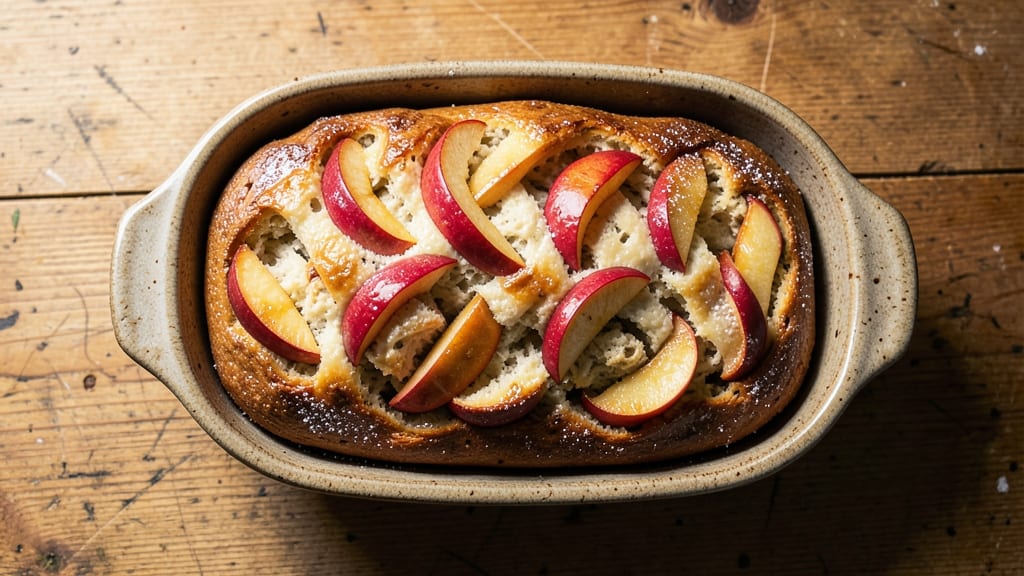
This apple bread recipe oil amount is the secret to achieving that perfect golden crust and moist crumb—just like Nana Mae used to make. I remember her saying, "The oil is what keeps it tender, but don't overdo it."
The right balance transforms ordinary bread into something extraordinary, with every slice pulling apart just slightly and every bite bursting with apple flavor.
What sets this recipe apart is the precision in oil measurement—just ¼ cup—which creates that ideal texture without making the bread greasy. I've tested this recipe countless times, adjusting variables until I landed on the perfect ratio.
The apples add natural sweetness and moisture, while the cinnamon and spices create warmth that lingers with every bite.
By the time it emerges from the oven, you'll have a loaf with a crisp, caramelized crust that gives way to a tender, moist interior. The aroma alone will have everyone gathering in the kitchen, and the texture is what keeps people coming back for seconds.
This is the kind of bread that makes Sunday mornings feel special.
For added depth, consider folding in chopped walnuts or raisins, but the classic version with just apples and spices is where the magic happens. Serve it warm with butter or as a side to breakfast—it's that good. Let's get baking!
Ingredients for apple bread recipe oil amount
Four cups flour, a quarter cup butter, and two cups apples—simple ingredients for Nana Mae's legendary golden crust.
| Ingredient | Amount | Notes |
|---|---|---|
| All-Purpose Flour 🌾 | 4 cups | Spooned and leveled measurement |
| Granulated Sugar 🍚 | 1 ½ cups | White or light brown |
| Unsalted Butter 🧈 | ¼ cup | Room temperature, not melted |
| Large Eggs 🥚 | 2 whole | Room temperature preferred |
| Milk 🥛 | 1 cup | Whole milk for richness |
| Red Apples 🍎 | 2 cups | Peeled, finely diced (about 2 medium) |
| Ground Cinnamon 🌿 | 2 tsp | Freshly ground preferred |
| Ground Nutmeg 🌶️ | ½ tsp | Freshly grated for best flavor |
| Baking Soda 🧂 | 1 tsp | Not baking powder |
| Salt 🧂 | ½ tsp | Kosher or sea salt |
| Vanilla Extract 🍯 | 1 tsp | Pure vanilla preferred |
| Chopped Walnuts 🌰 | ½ cup | Optional for extra crunch |
The butter is non-negotiable here. Use unsalted—the salt is already accounted for—and let it sit at room temperature for 30 minutes before mixing. Kirkland Signature or Land O'Lakes are reliable brands, but any good-quality unsalted butter works. For the apples, Fuji or Honeycrisp hold up best when diced—avoid anything too mealy like Granny Smith. I always peel mine, but if you're feeling adventurous, leave the skin on for extra texture. The flour? King Arthur or Gold Medal are my go-tos—they bake up lighter than store-brand options.
No walnuts? Skip them—this recipe shines without. Running low on vanilla? Almond extract at half the amount works in a pinch, but trust me, vanilla is worth tracking down. The cinnamon should be ground fresh if possible, but the jarred stuff from Penzeys or Spicewalla is fine too. For the apples, if you can't find red ones, green apples work too—just add a pinch more sugar to balance the tartness. And if you're out of baking soda, baking powder at double the amount will do, though it might make the bread rise a touch more.
This dough keeps for 2 days in the fridge—perfect for baking on Sunday morning. For best results, let it sit at room temperature for 30 minutes before baking. The finished loaf? Wrap it in foil and store at room temperature for 3 days, or freeze slices for up to 3 months. I always bake two loaves—one for breakfast, one for gifts. The crust stays crisp for about 2 days if you keep it wrapped, but it's best eaten fresh.
Why You'll Love This Recipe
- No-Fuss Mixing: I swear by this dough—just toss the flour, sugar, and softened butter in a bowl, then let the food processor (or a sturdy spoon) do the work. No standing over a counter, no rolling out dough, no fuss. The butter cuts into the flour so quickly, and the eggs and milk come together like a dream.
- Sweet Butter Magic: That rich, cold butter—mixed right into the dry ingredients—creates the most tender crumb you’ll ever bite into. And when you add the warm apples? The sugar caramelizes just enough to give every slice a little chewy edge. Honestly, I’ve tried store-bought apple bread, and this tastes like grandma’s—except I’m the one baking it.
- Breakfast or Snack: Slice it warm with a smear of butter for breakfast, or pack it in lunches for the week. The apples hold up surprisingly well, so it doesn’t turn into a soggy mess. (Yes, even on a Tuesday night when I’m too tired to think past toast.)
- Budget-Friendly Staples: Flour, sugar, butter, eggs, milk—these are the basics I already have on hand. No specialty ingredients, no last-minute grocery runs. And since it keeps for days (if it lasts that long), it’s my go-to for feeding a crowd without breaking the bank. Three loaves, zero regrets.
Step-by-step instructions for apple bread with perfect oil amount
Here's how to mix, bake, and achieve that signature golden crust every time.
Mix Wet Ingredients for Perfect Texture
In a large mixing bowl, combine the 0.25 cup unsalted butter (room temperature) with the 1.5 cups granulated sugar. Whisk until light and fluffy—about 2-3 minutes—until the mixture nearly doubles in volume. This step incorporates air, which creates that tender crumb we're after.
Add the 2 whole large eggs, one at a time, whisking well after each addition. Then stir in the 1 cup milk, 1 teaspoon vanilla extract, and the 2 cups finely diced red apples. The apples should be evenly distributed, not clumped together. This wet mixture should be smooth but slightly thick—like a loose batter.
Combine Dry Ingredients for Even Distribution
In a separate bowl, whisk together the 4 cups all-purpose flour, 1 teaspoon baking soda, 0.5 teaspoon salt, 2 teaspoons ground cinnamon, and 0.5 teaspoon ground nutmeg. Sift if your flour is lumpy, but don't worry if it's not perfectly smooth—just make sure everything is evenly mixed.
Gradually add the dry ingredients to the wet mixture, stirring just until combined. You'll want to stop mixing as soon as the flour disappears—overmixing develops gluten and makes the bread tough. If you're using the 0.5 cup chopped walnuts, fold them in now using a spatula.
Prepare the Pan for Golden Crust
Preheat your oven to 350°F and grease a 9x5-inch loaf pan with butter or cooking spray. Line the bottom with parchment paper for easy removal. Pour the batter into the prepared pan and smooth the top with a spatula. The batter should fill the pan about ¾ full—don't overfill or it'll spill over during baking.
Here's the golden crust tip: Brush the top of the batter with a little extra milk or melted butter before baking. This creates a beautiful golden-brown finish while keeping the inside moist. Tap the pan gently on the counter to release any air bubbles trapped in the batter.
Bake Until Perfectly Done
Bake for 50-60 minutes until a toothpick inserted in the center comes out clean or with just a few moist crumbs. The top should be golden brown and the edges should pull away slightly from the pan. If the top browns too quickly, tent the pan with foil to prevent over-browning while the center finishes baking.
When you tap the top, it should sound hollow—not flat or doughy. The internal temperature should reach 205-210°F for that perfect texture. Let the bread cool in the pan for 10 minutes before transferring to a wire rack to cool completely. This resting period prevents it from falling apart when you slice it.
Pro Tips For Making Apple Bread Recipe Oil Amount
- MEASURE OIL BY WEIGHT: I used to eyeball the butter oil amount and wonder why my bread turned out greasy or dense—turns out, ¼ cup oil by volume can vary wildly. Use a kitchen scale for 57 grams (about ¼ cup) of neutral oil like vegetable or canola; it’s more precise and keeps the crumb tender without overpowering the apples.
- SOFTEN BUTTER RIGHT: Don’t just pull cold butter from the fridge and chop it—let it sit at room temp for 30-45 minutes until it’s just pliable but not melted. If it’s too soft, the butter will separate in the batter, and if it’s too hard, the mixer will fight you. (Yes, even if you’re impatient like me.)
- DON’T OVERMIX THE BATTER: After adding the dry ingredients, mix just until combined—maybe 10-12 strokes. Overmixing develops the gluten, and your bread will turn out tough instead of soft and cake-like. Stop when there are a few dry spots; they’ll disappear when the apples get folded in.
- USE COLD MILK FOR LONGER RISE: Swap room-temperature milk for cold milk in the batter, then let the dough rest in the fridge for 10-15 minutes before baking. The cold milk slows yeast activity slightly, giving you more control over the rise and a taller, less dense loaf. (Your future self will thank you.)
Pro cooking tips for great apple bread recipe oil amount
Oil Amount Secrets
The ¼ cup oil in this recipe isn't just any oil—it's the magic that keeps your apple bread moist without getting greasy. I use vegetable or canola oil because they're neutral in flavor and have a high smoke point.
If you're feeling fancy, avocado oil works too, but stick to neutral options. The oil coats the flour proteins, creating tiny air pockets that give that signature tender crumb. 💡
Butter vs. Oil
You might wonder why we use oil instead of butter in this recipe. Butter adds incredible flavor, but it also introduces moisture that can make the bread too dense. The oil gives us that perfect balance—just enough richness without compromising texture.
If you're craving that buttery taste, save it for brushing on top before baking or drizzling after it comes out of the oven.
Temperature Matters
Room temperature oil is key—it mixes more evenly into the wet ingredients. If your oil is cold, it won't incorporate properly, leading to a dense crumb. Let your oil sit out for 30 minutes before measuring.
Pro tip: Use a liquid measuring cup for accuracy—oil is tricky to measure by volume. A ¼ cup is about 60ml if you're working in metric.
Substitutions
Running low on oil? You can substitute with applesauce or unsweetened applesauce for a healthier option, but reduce it to ⅓ cup to maintain moisture balance. If you're using melted butter, keep it at ¼ cup but expect a slightly richer flavor.
For a dairy-free version, coconut oil works well—just make sure it's melted and cooled slightly before mixing.
Mixing Like a Pro
When combining the oil with the wet ingredients, whisk vigorously for 2-3 minutes until the mixture is light and fluffy. This step is crucial—it incorporates air that helps the bread rise properly.
I like to use a hand mixer on medium speed for this part, but a good whisk works too. Overmixing here can develop gluten, so stop as soon as the mixture is smooth. 🌟
Pan Prep
Grease your 9x5-inch loaf pan generously with butter or oil before adding the batter. I also recommend lining the bottom with parchment paper for easy removal. The oil in the pan helps create that golden crust while preventing sticking.
After pouring the batter, give the pan a gentle tap on the counter to release any air bubbles—this ensures an even rise and a smoother top.
Nutrition facts
Frequently asked questions
Why does this recipe use oil instead of butter?
Oil creates a lighter, more tender crumb without adding excess moisture that butter would. The ¼ cup vegetable oil coats flour proteins perfectly, creating those signature air pockets for a moist interior. Save butter for brushing the top before baking or adding to slices after cooling for that rich flavor.
Can I use melted butter instead of oil?
Yes, but reduce to ¼ cup melted butter (cooled slightly) for the same moisture level. Butter adds wonderful flavor, but it contains water that can make the bread denser. For best results, brush extra melted butter on top before baking or drizzle over slices after cooling.
What if I don't have vegetable oil?
Use canola, avocado, or melted coconut oil (cooled) as direct substitutes. For a lighter option, swap with ⅓ cup unsweetened applesauce, though the texture will be slightly denser. Always measure oil at room temperature for accurate results.
How do I know when my bread is done?
Look for three signs: the top is golden brown, a toothpick comes out clean (or with a few moist crumbs), and the edges pull away slightly from the pan. The internal temperature should reach 205-210°F. Tap the top—it should sound hollow, not flat.
Why did my bread turn out dry?
Overbaking or under-measuring oil are common culprits. Always bake until the internal temp reaches 205°F and use the full ¼ cup oil**. For extra moisture, brush the top with milk before baking or store wrapped in foil for up to 3 days.