
Side Dishes
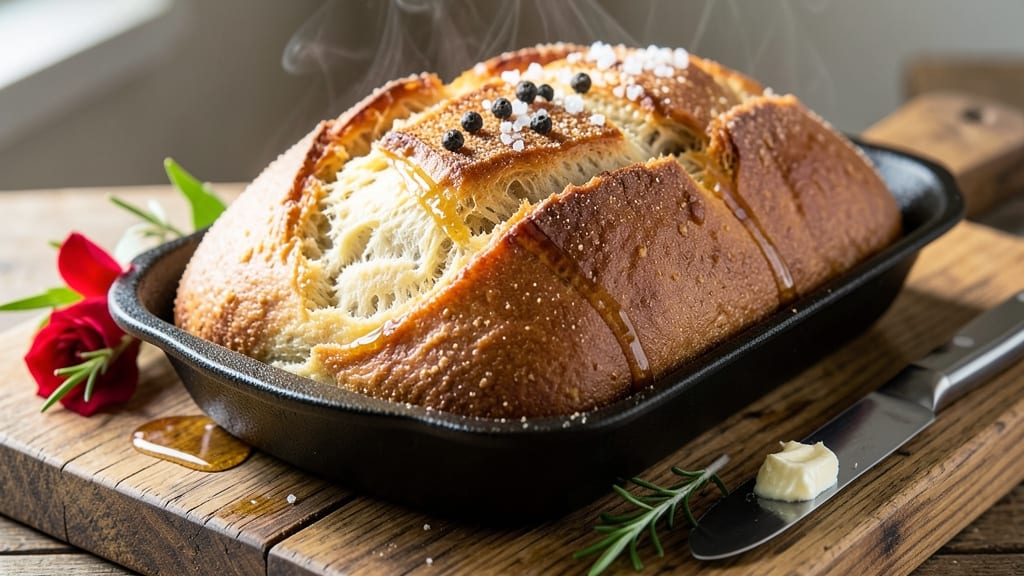
This AP flour bread machine recipe delivers a crusty-crowned loaf with restaurant-quality texture—all with minimal effort. The beauty of using all-purpose flour lies in its balance: it creates a tender crumb while developing that satisfying crispy crust we all crave.
I’ve perfected this method over years of testing, ensuring foolproof results every time, even for beginners.
The secret to success begins with proper dough preparation—your bread machine does the heavy lifting, but a few key adjustments make all the difference. Unlike whole-grain breads, AP flour’s neutral flavor and moderate protein content create the ideal structure for a loaf that’s both airy and sturdy.
We’ll cover exact settings, hydration tips, and how to avoid common pitfalls like dense crumbs or flat tops.
What you’ll end up with is a golden, crusty-crowned loaf with a soft interior that’s perfect for sandwiches or toast. The aroma alone will transform your kitchen into a bakery, and the texture—tender yet substantial—proves you don’t need fancy ingredients for professional results.
This recipe is designed to work with any standard bread machine, making it accessible for home bakers.
Ready to bake? We’ll walk through the exact settings, ingredient ratios, and troubleshooting steps to ensure your first loaf turns out perfect. Whether you’re making bread for daily meals or special occasions, this method delivers consistent, satisfying results with minimal effort.
Ingredients for ap flour bread machine
All-purpose flour plus a few simple ingredients transform into a golden, crusty loaf with minimal effort.
| Ingredient | Amount | Notes |
|---|---|---|
| All-Purpose Flour 🌾 | 3 ½ cups | Sifted for even texture |
| Instant Yeast 🍞 | 0.01 oz | 2 1/4 tsp or 1 packet |
| Granulated Sugar 🍚 | ¼ cup | White or light brown |
| Salt 🧂 | 1 ½ tsp | Diamond Crystal preferred |
| Unsalted Butter 🧈 | ½ cup | Softened to room temp |
| Whole Milk 🥛 | 1 cup | Room temperature |
| Large Egg 🥚 | 1 whole | Room temperature |
| Water 💧 | ½ cup | Warm, 110°F |
| Cornmeal 🌽 | ¼ cup | For dusting pan |
| Coarse Sea Salt 🧂 | ½ tsp | For crust sprinkle |
| Olive Oil 🫒 | 1 tbsp | For greasing pan |
The all-purpose flour is the star here—its moderate protein content (10-12%) creates the perfect balance between tender crumb and crispy crust. King Arthur or Bob's Red Mill are my go-tos for consistent results, but any quality AP flour works. The yeast? Fresh is best—check the expiration date, and if it smells stale, toss it. For the butter, I always use Land O'Lakes unsalted because it's reliable and melts evenly. Room temperature is key: if it's too cold, the dough won't develop properly; if too warm, it'll overproof in the machine. The milk and egg should be at room temp too—cold ingredients shock the yeast.
No instant yeast? Active dry yeast works too—just dissolve it in the warm water with a pinch of sugar first. Short on butter? Vegetable oil at the same weight keeps the dough moist, though the texture will be slightly denser. Using whole milk? 2% works too, but whole gives that extra tender crumb. The cornmeal is non-negotiable for the pan—it prevents sticking and adds a subtle crunch. For the crust sprinkle, Maldon flaky sea salt is ideal, but any coarse salt will do. Pro tip: if your kitchen is dry, add an extra 1 tbsp water to the dough—AP flour absorbs differently than whole grain.
Store the loaf in a bread bag or paper bag at room temperature for up to 2 days to maintain freshness. For longer storage, freeze slices wrapped in plastic for up to 3 months. The crust stays crispy when toasted straight from frozen—no thawing needed. I always make a double batch: one loaf for the day, one frozen for lazy mornings. The dough can be mixed the night before and refrigerated for up to 12 hours—just let it sit at room temp for 30 minutes before starting the machine cycle.
Why You'll Love This Recipe
- Set-And-Forget Magic: I toss in the flour, yeast, sugar, and softened butter—then let the machine do all the work. No kneading, no guessing, just warm bread ready when you are.
- Buttery Soft Crust: That touch of granulated sugar caramelizes just enough to give the crust a golden, slightly crisp bite, while the butter keeps the inside pillowy. Honestly, it’s the kind of bread that disappears faster than I can say “second slice.”
- Weeknight Hero: Whether it’s breakfast toast, sandwiches for lunch, or dinner rolls, this bread handles it all. I’ve even used it for garlic bread—yes, even on a Tuesday night—and it never lets me down.
- Budget-Friendly Staple: Five basic ingredients stretch into a whole loaf that feeds my family for days. The leftovers? Perfect for French toast or croutons, and the butter keeps it rich without breaking the bank. My wallet and taste buds thank me.
Step-by-step instructions for crusty-crowned loaf with no-knead ease
This bread machine recipe delivers restaurant-quality crust without the fuss—just load, set, and enjoy.
Prepare the Bread Machine Pan
Lightly grease a 4-pound bread machine pan with 1 tablespoon olive oil, using a paper towel to spread it evenly. This prevents sticking and ensures easy removal. Then dust the bottom and sides generously with ¼ cup cornmeal, tapping out any excess. The cornmeal creates a crisp, golden crust that separates cleanly from the pan.
I like to work quickly here—getting the pan ready first keeps the process moving smoothly. If you're using a nonstick pan, you can skip the cornmeal, but I find it adds that extra professional touch to the crust. Set the prepared pan aside while you mix the dough ingredients.
Combine Wet Ingredients
In a separate bowl, whisk together the 1 cup whole milk (room temperature), 1 whole large egg, ½ cup warm water (110°F), ½ cup softened unsalted butter, ¼ cup granulated sugar, 1½ teaspoons salt, and 0.014 ounces instant yeast. The milk and egg should be at room temperature to activate the yeast properly—this is crucial for proper rise.
Mix until the butter is fully incorporated and the sugar dissolves completely. The mixture should be smooth with no visible butter lumps. If you notice the yeast starts to foam immediately, it's a good sign your ingredients are at the right temperature. Let this mixture sit for 5 minutes while you prepare the dry ingredients.
Mix the Dough in the Bread Machine
Add the 3½ cups all-purpose flour (sifted) to the bread machine pan. Pour the wet ingredient mixture over the flour and use a wooden spoon to gently combine everything into a shaggy dough. The bread machine will handle the kneading, but this initial mixing ensures even distribution of ingredients.
Scrape down the sides of the pan to make sure no dry flour remains. The dough should be sticky but not wet—if it's too sticky, add 1 tablespoon more flour. Close the bread machine lid and select the "Basic White Bread" setting. The machine will automatically mix, knead, and bake your loaf.
Monitor the Rise and Bake
The bread machine will typically take about 3 hours to complete the cycle, including 1 hour of rising and 1 hour 30 minutes of baking. During the rise, you'll see the dough double in size and then collapse slightly before the baking begins. This collapse is normal—it means the yeast is active and the dough is ready to bake.
When the bread machine beeps to signal completion, remove the loaf from the pan immediately. Sprinkle generously with ½ teaspoon coarse sea salt while it's still warm for that perfect crust texture. Let it cool on a wire rack for at least 30 minutes before slicing—this prevents a gummy interior.
Serve and Store for Freshness
Slice the loaf into ¼-inch thick pieces for the best texture. The crust should be crisp and golden, while the interior remains soft and airy. Serve warm with butter or jam, or toast slices for a delicious breakfast. For maximum freshness, store any leftovers in an airtight container at room temperature for 2 days or freeze for up to 3 months.
This recipe consistently yields a 4-serving loaf with a perfect balance of crust and crumb. The no-knead method means less effort, but the results are anything but basic—you'll get a loaf that rivals artisanal bakery bread. Enjoy your homemade creation!
Pro Tips For Making Ap Flour Bread Machine
- MEASURE FLOUR BY WEIGHING: I learned this the hard way—spooning and scooping AP flour into the bread machine’s pan leads to inconsistent batches. Use a kitchen scale for the exact 350–400g (depending on your recipe) to guarantee the right hydration and rise. The machine’s sensor won’t lie if the flour’s weight is off.
- SOFTEN BUTTER FIRST: Cold butter cubes in dough mean a dense, greasy loaf. Microwave the unsalted butter for 10–15 seconds until just pliable (it should dent when pressed), then cut into small pieces. This ensures even distribution without overworking the dough—your bread will have that tender crumb you’re after.
- DON’T OVERLOAD THE PAN: Stuffing the bread machine’s pan to the brim with dough? That’s how you get a flat, sad loaf. Fill it only 2/3 full—yes, even if it looks empty. The dough needs room to expand, and cramming it guarantees a fight against the sides instead of a proper rise.
- LET THE DOUGH REST AFTER KNEADING: Skipping the 5–10 minute rest after the machine finishes kneading is a rookie move. This short pause lets the gluten relax and the butter redistribute, so your loaf doesn’t turn out tough or greasy. Set a timer—your future self will notice the difference.
Dietary considerations for this ap flour bread machine
Gluten-Free Adaptations
If you need a gluten-free version, replace the 3.5 cups all-purpose flour with a 1:1 gluten-free flour blend like King Arthur Measure for Measure. Add 1 teaspoon xanthan gum to mimic gluten’s structure, and increase the water by 1-2 tablespoons—gluten-free doughs are drier.
The texture won’t be identical, but it’ll still be delicious and sturdy. 🌾
Low-Carb/Keto Options
For a low-carb twist, swap the all-purpose flour for almond flour (3 cups) and ½ cup coconut flour. Reduce the sugar to 1 tablespoon and omit the milk—use ½ cup unsweetened almond milk instead.
The dough will be denser, but it’ll have a nutty richness. Bake in a 350°F oven for 40-45 minutes since almond flour browns faster.
Dairy-Free Substitutions
Skip the milk and butter by using 1 cup unsweetened almond milk and ½ cup melted coconut oil (cooled slightly). The coconut oil adds moisture without dairy’s richness.
For extra flavor, add 1 teaspoon vanilla extract to the wet ingredients. The bread will still rise beautifully and stay tender for days.
Allergen-Friendly Notes
This recipe is naturally egg-free if you omit the egg (replace with ¼ cup applesauce or 1 flax egg for binding). For nut allergies, use sunflower seed butter instead of almond butter in any variations.
Always check labels—King Arthur flour and Bob’s Red Mill are certified gluten-free and allergen-conscious brands.
Sugar-Free Versions
Cut the sugar entirely and replace it with ¼ cup monk fruit sweetener or 2 tablespoons erythritol. The dough will rise slightly slower, so monitor the bread machine closely.
For extra flavor, add ½ teaspoon cinnamon or 1 teaspoon vanilla extract to compensate for the missing sweetness. The crust will still crisp beautifully! 💫
Nutrition facts
Frequently asked questions
Can I use this recipe with a different flour besides AP flour?
While AP flour delivers the best texture, you can substitute with bread flour for a slightly chewier crumb. For a lighter loaf, try cake flour, but reduce water by 1-2 tablespoons—it absorbs less. Whole wheat flour works too, but add 1 tablespoon vital wheat gluten and increase water by 2 tablespoons to prevent dryness.
Why did my bread come out dense instead of crusty?
Dense bread usually means the yeast didn't activate properly or the dough over-kneaded. First, check your yeast—it should foam within 5 minutes of mixing with warm water. If your machine has a "light dough" setting, try that instead. Also, ensure all ingredients (especially milk and butter) are room temperature. Overloading the pan can also cause density—stick to the 4-pound pan size.
How do I make this bread extra crusty?
For a deeper crust, brush the loaf with 1 tablespoon melted butter immediately after baking, then sprinkle with 1 teaspoon coarse sea salt. Bake for 5 extra minutes uncovered if your machine allows. For a rustic look, score the top with a sharp knife before baking. The cornmeal coating also contributes to that crisp texture—don't skip it!
Can I add seeds or herbs to this recipe?
Add 1-2 tablespoons seeds (sesame, sunflower, or flax) or 1 tablespoon chopped herbs (rosemary, thyme, or garlic) to the dry ingredients. For stronger flavors, infuse the milk by heating it with herbs before cooling. Just reduce water by 1 tablespoon to maintain proper hydration—seeds and herbs absorb moisture.
What if my bread machine doesn't have a "Basic White Bread" setting?
Use the "Basic Bread" or "White Bread" setting instead—most machines have similar cycles. If yours only has a "Quick Bread" option, the loaf will be slightly denser but still delicious. For best results, manually set the cycle to 3 hours total with 1 hour rising and 2 hours baking. Monitor closely after 1 hour to prevent over-browning.