
Desserts
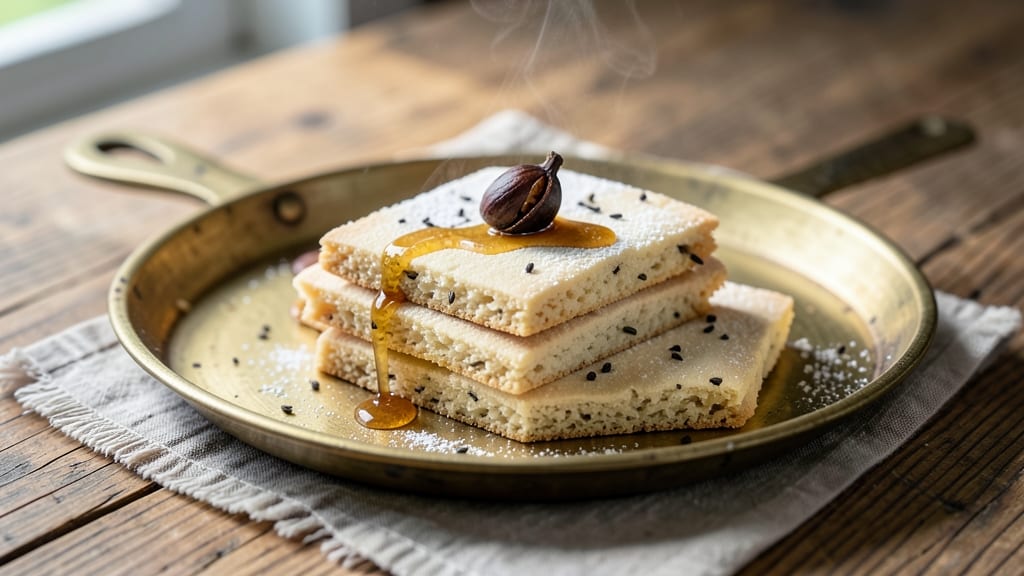
This anise shortbread cookie recipe delivers the perfect balance of licorice-kissed crunch and buttery vanilla warmth in every bite. The secret lies in the anise seeds—ground finely for a subtle, aromatic depth that pairs beautifully with classic shortbread flavors.
I've perfected this recipe over years of baking, ensuring each cookie maintains its signature tender crumb and crisp edges, no matter the batch.
The dough comes together with just six simple ingredients, including high-quality butter, powdered sugar, and vanilla extract, all combined until smooth and slightly crumbly. Anise extract (or finely ground seeds) infuses the dough with a delicate licorice note that lingers without overpowering.
Baking at a precise 325°F ensures even cooking, while a short chill in the fridge guarantees cookies that hold their shape and texture.
What you'll end up with is a batch of golden, buttery cookies with a delicate crumb and faint anise aroma that grows more inviting as they cool. The edges stay crisp while the centers remain tender, creating the perfect contrast in every bite.
These cookies are ideal for holiday gifting, afternoon tea, or sharing with friends who appreciate subtle, sophisticated flavors.
Store them in an airtight container for up to a week, though they rarely last that long. For extra indulgence, dust with powdered sugar or drizzle with a light anise-infused glaze. Let's get baking!
Ingredients for anise shortbread cookie
Six essential ingredients transform into delicate anise shortbread with perfect crumb and subtle licorice warmth.
| Ingredient | Amount | Notes |
|---|---|---|
| Unsalted Butter 🧈 | 1 cup | Cold, cubed for even mixing |
| Powdered Sugar 🍚 | 1 cup | Sifted for smooth texture |
| Anise Seeds 🌿 | 1 tbsp | Finely ground for subtle flavor |
| Pure Vanilla Extract 🍯 | 1 tsp | High-quality for authentic aroma |
| All-Purpose Flour 🌾 | 2 cups | Sifted with powdered sugar |
| Kosher Salt 🧂 | ¼ tsp | Fine grain for even distribution |
The butter sets the foundation—European-style like Plugrá or Kerrygold delivers superior flavor and texture. Look for 100% pure anise seeds at specialty stores or bulk bins; pre-ground loses potency quickly. If you can't find anise seeds, anise extract works in a pinch (use half the amount). The powdered sugar should be fine and lump-free—sifting removes any grit. For the flour, King Arthur or Gold Medal brands are reliable choices, but any all-purpose works. Keep everything chilled until mixing to prevent over-handling.
No anise seeds? Anise extract (like McCormick) is a solid swap, but adjust to taste—start with half the ground seed amount. Running short on vanilla? Almond extract at half the quantity mimics the warmth without the licorice note. The salt is non-negotiable—Diamond Crystal dissolves more easily than table salt, so use it if you're precise. For a more intense flavor, toast the anise seeds in a dry pan for 30 seconds before grinding. The dough should be crumbly but hold together when pressed—if it's too dry, add 1 tsp cold water; if too sticky, chill for 10 minutes.
Wrap the dough in plastic and refrigerate for at least 2 hours before baking—this prevents spreading. Store baked cookies in an airtight container with a slice of bread to maintain moisture for up to 1 week. For longer storage, freeze portions on parchment-lined trays, then transfer to a bag for 3 months. Reheat briefly in the oven at 300°F for 5 minutes to restore crispness. The aroma intensifies as they cool, so let them rest on the baking sheet for 10 minutes before transferring.
Why You'll Love This Recipe
- No-Fuss Mixing: I swear by this recipe—just cream butter and sugar, toss in flour, and fold in those tiny anise seeds. Honestly, the hardest part is waiting for the dough to chill, and even that’s just 20 minutes in the fridge.
- Licorice-Like Magic: That anise seed? It’s the star—like a whisper of licorice without being overpowering. The vanilla ties it all together, making each bite taste like a cozy hug for your taste buds.
- Holiday or Snack: These cookies are my go-to for Christmas gifts (they freeze beautifully) or a quick afternoon treat. Between us, they disappear faster than I can say "second batch."
- Budget Buster: Butter, sugar, and flour? Pantry staples. Anise seeds are cheap in bulk, and a little vanilla goes a long way. I’ve made 3 dozen for under $5—no guilt, all flavor.
Step-by-step instructions for anise shortbread cookies
Here's the method for creating delicate, aromatic shortbread with a perfect balance of crunch and vanilla warmth.
Cube and Cream the Cold Butter
Cut the 1 cup unsalted butter into ½-inch cubes and place them in the freezer for 10 minutes to ensure they remain cold. This cold butter is essential for creating the signature shortbread texture. In a stand mixer fitted with the paddle attachment, beat the butter on medium speed for 2-3 minutes until it becomes light and fluffy but not melted.
Here's the thing—if the butter starts to soften too quickly, place the bowl in the freezer for 1 minute to reset the temperature. You're aiming for a creamy, almost whipped consistency that still holds its shape when pressed. This step builds the foundation for those delicate, melt-in-your-mouth layers in the finished cookies.
Gradually Add Powdered Sugar and Vanilla
With the mixer running on low speed, gradually add the 1 cup powdered sugar over 2-3 minutes. This slow addition prevents a sugar cloud from forming and ensures even distribution. Once fully incorporated, add the 1 tsp pure vanilla extract and mix for an additional 30 seconds until completely combined.
The powdered sugar should blend smoothly with the butter, creating a light, airy mixture. If you notice any graininess, press the mixture through a fine-mesh sieve to achieve a silky texture. This step is where the sweetness develops, but don't worry if it looks slightly curdled—it will come together in the next step.
Incorporate Anise Seeds and Dry Ingredients
In a separate bowl, whisk together the 2 cups all-purpose flour, 0.25 tsp kosher salt, and the 1 tbsp finely ground anise seeds. The anise seeds should be ground just before mixing to release their full aromatic potential. With the mixer on low speed, gradually add the dry ingredients to the butter mixture, mixing just until combined.
Here's where it gets delicate—overmixing develops gluten, which can make the cookies tough instead of tender. Stop mixing as soon as the dough comes together. The dough should be soft and slightly sticky, resembling wet sand. If it feels too dry, add 1 teaspoon of cold water to help it bind.
Shape and Chill the Dough
Turn the dough out onto a lightly floured surface and gently press it into a ½-inch thick rectangle. Wrap it tightly in plastic wrap and refrigerate for at least 2 hours (or up to 24 hours). Chilling is crucial—it firms up the dough, making it easier to slice and preventing the cookies from spreading too much in the oven.
This resting period also allows the flavors to meld, enhancing the anise and vanilla notes. For best results, let the dough sit in the refrigerator while you preheat the oven to 325°F. The cold dough will yield cleaner cuts and more uniform cookies.
Bake to Golden Perfection
Unwrap the chilled dough and use a sharp knife or bench scraper to cut it into ½-inch thick squares or rectangles. Place them 1 inch apart on a parchment-lined baking sheet. Bake for 18-22 minutes until the edges are light golden brown and the centers still look slightly underbaked.
Here's the moment that matters: the cookies should be crisp around the edges but still tender in the middle. They'll continue to firm up as they cool. Let them rest on the baking sheet for 10 minutes before transferring to a wire rack to cool completely. The aroma of anise and vanilla will fill your kitchen—this is your reward for patience.
Pro Tips For Making Anise Shortbread Cookie
- Chill the Dough First: I learned this the hard way—rolling out warm dough makes it stretchy and messy. Press the dough into a flat disk, wrap it in plastic, and refrigerate for at least 30 minutes. This keeps the anise seeds evenly distributed and prevents the cookies from spreading into sad, lumpy blobs when baking.
- Toast the Anise Seeds: Raw anise seeds can taste bitter or even soapy if they’re old. Lightly toast them in a dry pan over medium heat for 30 seconds until fragrant—just until you smell that warm, licorice-like aroma. Then grind them fresh before mixing into the dough. (Yes, even if you’re impatient like me.)
- Use Cold Butter: Cut the unsalted butter into cubes and freeze it for 10 minutes first. When you cream it with the powdered sugar, the cold butter will create tiny pockets of air, giving your cookies that signature tender crumb. Warm butter? You’ll end up with dense, greasy shortbread that tastes like a butter log.
- Press, Don’t Roll: Skip the rolling pin—it compacts the dough too much. Instead, press the dough into the pan with your fingers or a glass, using the back of a spoon to smooth it out. This keeps the texture light and lets the anise flavor shine without making the cookies tough. (Your future self will thank you.)
Regional styles of this anise shortbread cookie
British Classic
In the UK, anise shortbread is often called "aniseed shortbread" and is a staple in afternoon tea settings. The British version typically uses aniseed extract (like McCormick) for a more pronounced licorice flavor, sometimes paired with orange zest for brightness.
I’ve seen traditional recipes call for almond extract as well, adding a nutty depth. These cookies are often shaped into thin rectangles or rounds and dusted with powdered sugar before serving. 🌟
Scandinavian Twist
Nordic bakers love their shortbread with anise, often infusing it with cardamom for a warm, spiced profile. In Sweden, you’ll find "anispepparkakor" (anise pepper cookies) where the dough includes ground black pepper alongside anise seeds.
The texture stays tender but slightly crunchy, and they’re often baked in mini muffin tins for bite-sized treats. A splash of aquavit in the dough adds a subtle Scandinavian touch. 🌿
French Anis de Montagne
France’s answer to anise shortbread is "anis de montagne", a delicate cookie with star anise (not the same as anise seeds) for a floral, almost minty note. The French version often includes lemon zest and is baked into thin, lace-like shapes using a cookie cutter.
These cookies are traditionally served with espresso or sherry for a sophisticated pairing. I’ve found that star anise gives a more complex aroma than regular anise seeds. ✨
Middle Eastern Influence
In countries like Lebanon and Syria, anise-infused shortbread is a holiday favorite, often called "kashk" or "ma’amoul" when spiced with anise. The dough is enriched with rosewater or orange blossom water, and sometimes pistachios are folded in for crunch.
These cookies are baked into small, round shapes and dusted with powdered sugar or drizzled with honey. The anise flavor here is bolder, almost like a cross between licorice and fennel. 💫
American Holiday Adaptation
In the U.S., anise shortbread often appears at Christmas markets or as a gourmet cookie for holiday gifts. Bakers here might add cinnamon or nutmeg for warmth, or even chocolate chunks for contrast. I’ve seen variations where the dough is rolled in crushed pistachios or toasted coconut before baking.
These cookies are perfect for Yule logs or cookie platters, and the anise flavor pairs beautifully with spiced cider or mulled wine. 🍪
Nutrition facts
Frequently asked questions
Can I substitute anise seeds with anise extract?
Yes, but use half the amount—½ teaspoon extract instead of 1 tablespoon ground seeds. Extract is more concentrated, so start small and adjust to taste. If you prefer a more subtle flavor, stick with seeds for their gentle, aromatic release during baking.
Why do my anise shortbread cookies spread too much?
Overmixing the dough or skipping the 2-hour chill causes spreading. Keep the butter cold, mix just until combined, and ensure the dough is firm before cutting. If it's too soft, chill for 30 more minutes. The 325°F oven temp is key—too hot, and they'll bake too fast.
How do I store these cookies to keep them crisp?
Store in an airtight container with a slice of bread to absorb moisture. For extra crispness, place parchment-lined trays in the oven at 200°F for 10 minutes before storing. They’ll stay fresh for 1 week at room temp or 3 months frozen.
Can I add chocolate or nuts to this recipe?
Fold in ½ cup chocolate chips or ½ cup toasted nuts after mixing the dry ingredients. For best results, chill the dough for 30 extra minutes to prevent melting. Try pistachios for a Middle Eastern twist or white chocolate for a sweeter profile.
What’s the secret to getting the perfect texture?
The magic is in the cold butter and minimal mixing. Use a stand mixer on low speed, and stop as soon as the dough comes together. The ½-inch thickness and 325°F temp ensure crisp edges with tender centers. Let them cool 10 minutes on the sheet before transferring—they’ll firm up beautifully.