
Side Dishes
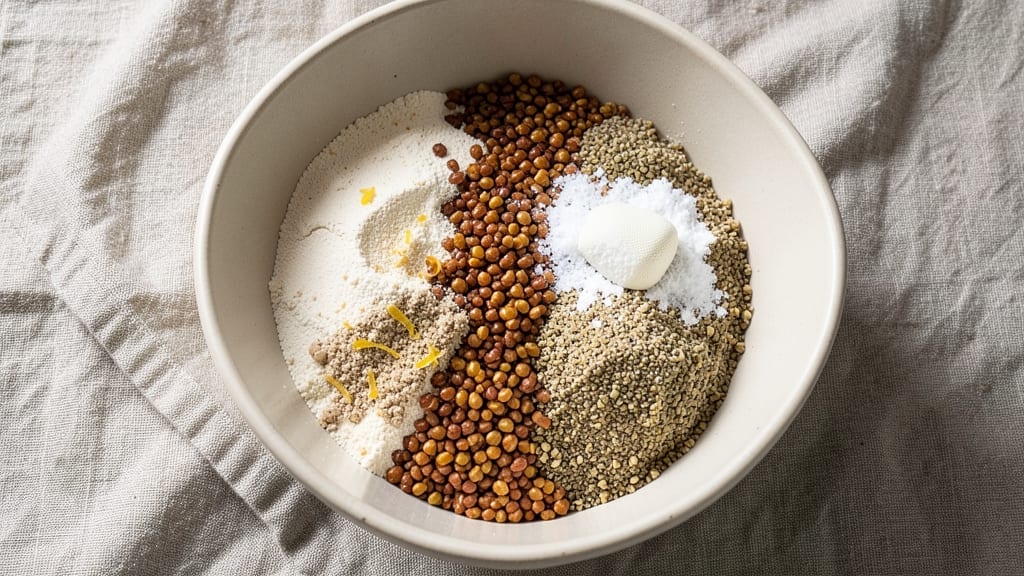
This ancient grain bread machine recipe transforms simple ingredients into a loaf with nutty depth and a rustic crumb—no kneading required. The secret lies in blending whole grains like farro and spelt with traditional flour, creating a texture that’s both hearty and tender.
Ancient grains not only add nutritional value but also a subtle earthiness that elevates everyday bread into something special.
Using your bread machine simplifies the process while delivering professional results. The cycle handles the kneading and rising automatically, leaving you with a golden crust and an interior speckled with nutty flecks from the grains.
Perfect for sandwiches, toast, or serving alongside soups, this loaf stays fresh longer than standard white bread.
The beauty of this recipe is its versatility—add seeds, herbs, or even a touch of honey for customization. Each slice offers a satisfying crunch from the grains while maintaining a soft, airy crumb.
Whether you're baking for a family or meal prepping, this bread machine creation delivers restaurant-quality texture with minimal effort.
For best results, use a 1-pound 2-ounce loaf pan and let the bread cool completely before slicing. The grains release their full flavor when fully cooled, making every bite more rewarding. Store wrapped at room temperature for up to 5 days or freeze for longer shelf life.
Ingredients for ancient grain bread machine
Four flours blend with ancient grains and seeds for bread with restaurant-quality texture and nutty depth.
| Ingredient | Amount | Notes |
|---|---|---|
| All-Purpose Flour 🌾 | 3 cups | Unbleached preferred for lighter texture |
| Farro 🌾 | ¾ cup | Pearled farro for consistent texture |
| Spelt Flour 🌾 | ½ cup | Ground or pre-milled for best results |
| Whole Wheat Flour 🌾 | ½ cup | Adds heartiness without heaviness |
| Active Dry Yeast 🍞 | 2 tsps | Ensure yeast is fresh and active |
| Granulated Sugar 🍚 | 1 tbsp | Feeds yeast for proper rising |
| Salt 🧂 | 1 ½ tsp | Kosher or sea salt preferred |
| Sunflower Seeds 🌻 | ¼ cup | Toasted for enhanced flavor |
| Extra-Virgin Olive Oil 🫒 | ¼ cup | High-quality for rich flavor |
| Warm Water 💧 | 1 ¼ cups | 110°F for ideal yeast activation |
| Honey 🍯 | 1 tbsp | Optional for subtle sweetness |
| Sesame Seeds 🌿 | 1 tbsp | For crunchy topping |
The ancient grains are the stars here. Farro and spelt bring that signature nutty crunch, while the whole wheat flour adds heartiness without overpowering. For farro, I always grab the pearled variety at Whole Foods—it's prepped for baking and gives consistent texture. If you're using whole grains, toast them lightly before adding to deepen their flavor. The flours should be stored in airtight containers to prevent staling, and King Arthur or Bob's Red Mill are my go-tos for reliable quality. Pro tip: if your spelt flour is clumpy, whisk it vigorously before measuring.
No farro? Substitute with quinoa or barley at the same amount, though texture will differ slightly. Running short on spelt? Extra whole wheat flour works in a pinch, but reduce by 2 tbsp to maintain lightness. The honey is optional but worth it—local raw honey adds subtle floral notes that complement the grains. For the seeds, toast them in a dry pan for 2-3 minutes until fragrant before adding to the dough. If you're missing sunflower seeds, pumpkin seeds or flaxseeds work beautifully. The olive oil should be extra-virgin—cheap oil will make the bread taste flat.
This dough is best made fresh, but you can prep the dry ingredients up to 3 days ahead and store them in an airtight container. Once baked, let the loaf cool completely on a wire rack—at least 2 hours—before slicing, or the crumb will turn gummy. Wrapped in a clean kitchen towel, it stays fresh for 5 days at room temperature. For longer storage, slice and freeze portions—toasted straight from frozen, they're perfect for breakfast. The crust develops best when sliced after full cooling, so resist the urge to cut into it immediately.
Why You'll Love This Recipe
- Bread Machine Magic: I swear, this recipe is the reason I finally broke out my bread machine—just toss in the farro and spelt flour, let it do the work, and boom. No kneading, no stress, just hands-off perfection while I sip coffee.
- Nutty, Earthy Crunch: That farro adds a satisfying bite, while the spelt flour gives it a warm, slightly sweet depth. Honestly? It’s the kind of bread that makes you pause mid-bite and think, “Wait, is this actually homemade?”
- Meal Prep MVP: Slice it for toast, tear it for sandwiches, or pack it with lunchmeat—it’s my go-to for breakfast, lunch, or even a quick snack. (Yes, even on a Tuesday night when I’m too tired to think.)
- Budget-Friendly Staple: Whole wheat and farro stretch my grocery budget without sacrificing flavor, and a single loaf lasts my family five days. Leftovers? Toss them in the freezer—no waste, just future meals saved.
Step-by-step instructions for ancient grain bread machine recipe
Here's the method to create a rustic loaf with nutty depth and perfect texture.
Prepare the Ancient Grain Mixture
In a medium bowl, combine the 3 cups all-purpose flour, 0.75 cup farro, 0.5 cup spelt flour, and 0.5 cup whole wheat flour. Use a whisk to break up any flour clumps and ensure the farro pieces are evenly distributed. The farro and spelt will add that distinctive nutty flavor and rustic texture, while the whole wheat contributes heartiness without overpowering the bread's structure.
In a separate small bowl, mix the 2 tsps active dry yeast, 1 tbsp granulated sugar, and 1.5 tsp salt. The sugar helps activate the yeast, while the salt balances the flavors and strengthens the gluten. Sprinkle this mixture over the flour blend and whisk again until fully combined. This dry mixing ensures even distribution of all ingredients before adding liquids.
Add Wet Ingredients and Mix
Create a well in the center of the dry ingredients and pour in the 0.25 cup extra-virgin olive oil and 1 tbsp honey. The olive oil adds richness and helps create a tender crumb, while the honey provides subtle sweetness and aids yeast activation. Using a wooden spoon or silicone spatula, gently mix the ingredients until a shaggy dough begins to form.
Gradually add the 1.25 cups warm water (about 110°F) to the bowl while stirring continuously. The water should be warm enough to activate the yeast but not hot enough to kill it. Mix until the dough comes together and is no longer sticky to the touch. If it feels too dry, add 1 tablespoon more water; if too wet, add 1 tablespoon more flour. The dough should be soft but manageable, similar to playdough.
Load the Dough into the Bread Machine
Lightly grease the inside of your bread machine pan with olive oil or spray it with nonstick cooking spray. Transfer the dough to the pan and smooth it out with a lightly oiled spatula, ensuring it fills the pan completely but doesn't overflow. Sprinkle the 0.25 cup sunflower seeds evenly over the top of the dough—they'll add crunch and nutritional value. Cover the pan with the machine's lid.
Select the "Basic" or "White Bread" setting on your bread machine, which typically uses a 2-hour cycle. If your machine has a "Crust" setting, choose "Medium" for a slightly crispy exterior without burning. Close the machine and start the cycle. The machine will automatically knead, rise, and bake the bread for you.
Add Toppings and Finish Baking
About 20 minutes into the kneading phase (when the dough has doubled in size), open the machine and sprinkle the 1 tbsp sesame seeds evenly over the top of the dough. This timing ensures the seeds adhere well and toast slightly during baking. Close the machine and let it continue its cycle. The sesame seeds will add a delightful crunchy contrast to the soft interior.
When the bread machine beeps to signal completion, remove the loaf from the pan and place it on a wire rack to cool for at least 15 minutes. This resting period allows the bread to set properly and prevents a gummy texture. The crust should be golden brown with a slight crack, and the interior should have a rustic, open crumb with visible specks of farro and sunflower seeds.
Pro Tips For Making Ancient Grain Bread Machine
- Soak the Farro First: I learned this the hard way—skipping the soak makes your bread dense and chewy. Toss the farro in warm water (just cover it) for at least 30 minutes before adding it to the bread machine. This softens the grains and lets them absorb moisture properly, so your loaf stays light instead of turning into a brick.
- Measure Flours by Weight: Spooning flours into cups leads to guesswork, and this recipe isn’t forgiving. Use a kitchen scale for the spelt and whole wheat—aim for 10% less than the recipe’s cup measurements. These flours pack differently, and overdoing it throws off the yeast’s balance.
- Don’t Overload the Machine: Ancient grains add bulk, but cramming too much into the bread machine pan forces the dough to fight for space. Press it down firmly but leave a ½-inch gap at the top—this prevents spillage and lets the dough rise evenly. (Yes, it’ll look messy, but it works.)
- Use a Damp Towel for Proofing: The dough’s higher whole-grain content dries out faster, so cover it with a slightly damp kitchen towel while it proofs in the machine. This keeps the surface moist enough for a good rise—no more flat, sad loaves. Trust me, it’s worth the extra 2 minutes.
Regional styles of this ancient grain bread machine
Mediterranean Rustic Style
Inspired by Italian and Greek traditions, this version swaps sunflower seeds for toasted pine nuts and sesame seeds for crushed fennel seeds. Add 1 tsp dried oregano to the dough for an aromatic touch, and finish with a drizzle of extra-virgin olive oil after baking.
The pine nuts add a delicate sweetness that pairs beautifully with the nutty farro. 🌿
German Seed Bread Twist
For a heartier loaf, replace half the farro with barley malt syrup (swap honey) and add ½ cup pumpkin seeds and ¼ cup flaxseeds. Top with coarsely ground rye flour> sprinkled over the dough before baking.
This version has a deeper flavor and works perfectly for open-faced sandwiches with smoked salmon or sharp cheddar. 🌾
Mexican-Inspired Spiced Loaf
Infuse the dough with 1 tsp ground cumin and ½ tsp smoked paprika for a warm, earthy twist. Replace sesame seeds with crushed red pepper flakes> and top with toasted cumin seeds> before baking.
Serve with avocado slices or spicy salsa for a breakfast loaf with a kick. The cumin adds a subtle depth that complements the ancient grains beautifully. 🌶️
French Baguette-Inspired Shape
Shape the dough into a 12-inch log> before placing it in the bread machine pan. Brush the top with egg wash> (1 egg yolk + 1 tbsp water) and sprinkle with coarse sea salt> for a crispy crust.
Bake using the "French Bread" setting if your machine has it, or select "Basic" with a 10-minute extra bake time>. Slice diagonally for a rustic, artisanal feel. 🥖
Japanese Millet Variation
Substitute half the farro with millet> for a lighter texture, and add 1 tbsp grated ginger> to the dough. Top with black sesame seeds> and a sprinkle of furikake seasoning> after baking.
This version pairs wonderfully with miso soup or teriyaki-glazed proteins. The millet adds a subtle nuttiness that blends perfectly with the Japanese flavors. 🌱
Southern U.S. Sweet Cornbread Style
Replace half the all-purpose flour with cornmeal> and add ½ cup corn kernels> to the dough. Sweeten with 2 tbsp maple syrup> instead of honey, and top with crumbled bacon bits> before baking.
This version has a moist, slightly sweet crumb that's perfect for serving with chili or BBQ. The corn adds a delightful sweetness that balances the savory notes. 🌽
Nutrition facts
Frequently asked questions
Can I substitute regular flour for the ancient grains?
You can replace up to half the farro and spelt with all-purpose flour, but the nutty flavor and texture will be less pronounced. For best results, use a 1:1 substitution of whole wheat flour if you're avoiding grains entirely. The ancient grains contribute both nutritional value and that signature rustic crunch that makes this bread special.
Why does my bread machine dough feel too sticky?
Sticky dough usually means too much liquid. Add 1 tablespoon more flour and mix gently with a spatula. If the dough still feels wet, let it rest for 10 minutes before continuing—the gluten will strengthen naturally. Pro tip: Use a kitchen scale for precise measurements to avoid this issue in future batches.
How do I know when my ancient grain bread is fully baked?
Look for a golden-brown crust and listen for a hollow sound when tapping the bottom. The internal temperature should reach 190°F. Let it cool completely before slicing—at least 2 hours—to prevent a gummy texture. The grains release their full flavor when fully cooled, making every bite more rewarding.
Can I make this bread without a bread machine?
Yes! Mix all ingredients as directed, then knead by hand for 8-10 minutes until smooth. Let rise for 1-2 hours until doubled, then shape and bake at 375°F for 30-35 minutes in a greased loaf pan. The texture will be slightly denser, but still delicious.
What's the best way to store leftover ancient grain bread?
Wrap cooled bread in a clean kitchen towel and store at room temperature for 5 days. For longer storage, slice and freeze portions—toasted straight from frozen, they're perfect for breakfast. The grains help preserve freshness longer than standard white bread.