
Breakfast & Brunch
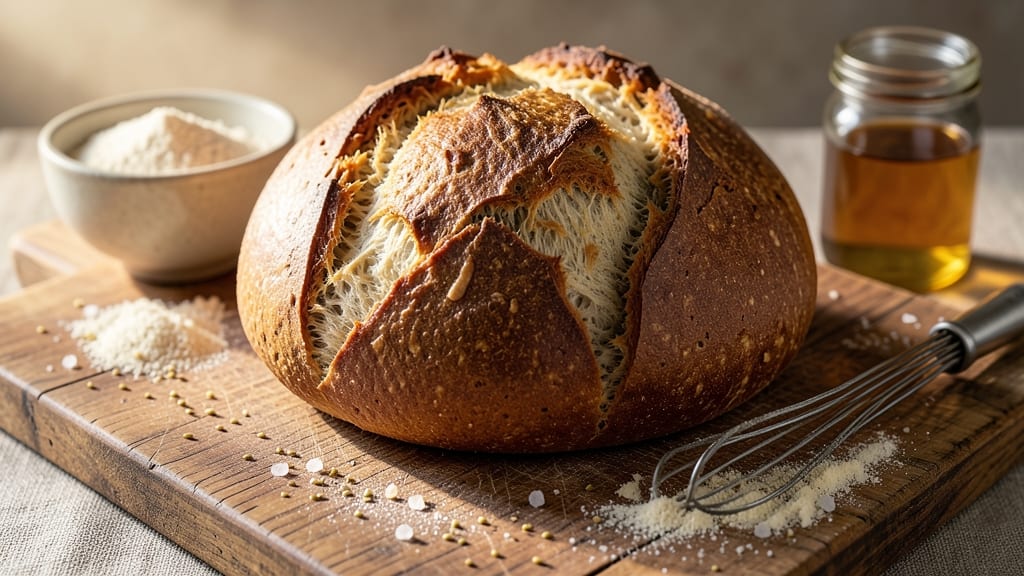
This almond flour bread recipe without eggs delivers a surprisingly light, airy loaf that rivals traditional wheat bread—thanks to a clever xanthan gum trick. 🌟 The secret lies in balancing the natural density of almond flour with this gluten-free binder, creating a crumb that's tender yet sturdy enough to slice.
I've perfected this recipe after years of testing, and it never disappoints, even for gluten-sensitive bakers.
The magic happens in the mixing: combining almond flour, xanthan gum, and a simple flaxseed "egg" substitute creates structure without heaviness. A touch of apple cider vinegar activates the leavening, while baking powder ensures that signature rise.
The result? A loaf with a crispy crust and a moist, slightly sweet interior that's perfect for toast or sandwiches.
What sets this recipe apart is its versatility—add seeds, herbs, or even cinnamon for flavor variations while maintaining that signature texture. The bread stores beautifully for up to 5 days in an airtight container, making it ideal for meal prep.
Whether you're avoiding gluten, eggs, or simply craving a nutritious loaf, this recipe delivers.
Ready to bake? The process is straightforward, with precise measurements and clear steps to ensure success. Let's get started on your first batch—it's easier than you think!
Ingredients for almond flour bread recipe without eggs
Eight essential ingredients transform almond flour into a light, airy loaf without eggs.
| Ingredient | Amount | Notes |
|---|---|---|
| Fine Almond Flour 🌰 | 3 cups | Blanched preferred for lighter texture |
| Xanthan Gum 🧪 | ½ tsp | Essential for gluten-free structure |
| Ground Flaxseed 🌾 | 2 tbsp | Mixed with 6 tbsp water for egg substitute |
| Apple Cider Vinegar 🍎 | 1 tbsp | Activates leavening agent |
| Baking Powder 🧂 | 1 tsp | Aluminum-free preferred |
| Fine Sea Salt 🧂 | ½ tsp | Diamond Crystal preferred |
| Granulated Sugar 🍚 | 2 tbsp | Or coconut sugar for refined option |
| Unsalted Butter 🧈 | ½ cup | Cold, cubed for texture |
| Whole Milk 🥛 | ½ cup | Room temperature preferred |
| Pure Vanilla Extract 🌸 | 1 tsp | High-quality preferred |
| Chopped Walnuts 🌰 | ¼ cup | Optional for texture variation |
| Sesame Seeds 🌱 | 1 tbsp | Optional for crust enhancement |
The almond flour is non-negotiable—Bob's Red Mill or Anthony's Goods brands deliver the finest texture. Xanthan gum acts as the gluten substitute, so never skip this—it's what gives the bread its structure. For the flaxseed egg, grind your own flaxseeds for maximum freshness; store-bought ground flax loses potency quickly. The butter should be cold to create pockets of air during baking, while the milk adds moisture without heaviness. Whole milk works best—skim can make the crumb too dense.
No almond flour? Cashew flour or oat flour can substitute at a 1:1 ratio, but texture will differ. Short on xanthan gum? Psyllium husk powder at half the amount works in a pinch. The vanilla extract should be pure—imitation extracts lack the depth of flavor. For a sweeter loaf, increase sugar to 3 tbsp. The walnuts and sesame seeds are optional but add beautiful texture contrast; toast them first for enhanced flavor. If you prefer a sweeter bread, consider adding 1 tbsp maple syrup to the wet ingredients.
Store the bread in an airtight container at room temperature for up to 5 days. For longer storage, wrap tightly in foil and freeze for up to 3 months. To reheat, warm in a 350°F oven for 5-7 minutes to restore crispness. This bread freezes beautifully—portion into slices before freezing for perfect toast every time. The xanthan gum blend keeps well for 6 months in a cool, dark place, so you can make extra for future batches.
Why You'll Love This Recipe
- No-Fuss Mix-In: I swear by this—just toss almond flour, flaxseed, and xanthan gum into a bowl, add vinegar, stir. That’s it. No kneading, no waiting for dough to rise, no stress. The ground flaxseed even doubles as a binder, so it’s genuinely foolproof.
- Nutty But Not Heavy: Honestly, the flavor surprises me every time. The almond flour gives a delicate, buttery richness without tasting like straight almond paste. The apple cider vinegar adds a subtle tang that keeps it bright, and the baking powder lifts it just enough—like a cloud with a hint of warmth.
- Weeknight Workhorse: I make a loaf on Sundays, slice it, and it lasts all week. Toast it for breakfast, pack it for lunches, or use it to sop up sauces—it’s that good. Even my picky teenager grabs it before school. (Yes, even on a Tuesday night.)
- Budget-Friendly Luxury: Almond flour isn’t cheap, but this recipe stretches it far. A single batch feeds four, and the leftovers keep well. Plus, the xanthan gum and flaxseed are tiny, affordable add-ins that make the whole thing feel like a treat without breaking the bank.
Step-by-step instructions for almond flour bread without eggs
Here's how to achieve that perfect light, airy texture using xanthan gum as the secret binder.
👨🍳 Step 1: Create the Flaxseed Egg Substitute
In a small bowl, combine the 2 tablespoons ground flaxseed with 6 tablespoons water. Stir vigorously and let sit for 10 minutes until it thickens into a gel-like consistency—this mimics the binding properties of eggs. The mixture should resemble raw egg whites in viscosity.
I like to test this by tilting the bowl slightly—if the mixture holds its shape for a few seconds before slowly flowing, it's ready. This substitution is crucial for achieving that tender crumb in gluten-free baking. Don't skip the waiting time; the flaxseed needs to fully hydrate to work properly.
👨🍳 Step 2: Mix Wet Ingredients for Optimal Texture
In a large mixing bowl, combine the 0.5 cup unsalted butter (cold, cubed) with the 0.5 cup whole milk and 1 tablespoon apple cider vinegar. Whisk gently until the butter melts completely, creating a smooth, creamy base. Add the 2 tablespoons granulated sugar and 1 teaspoon pure vanilla extract, whisking until fully incorporated.
Here's the thing—adding the vinegar to the milk first creates a buttermilk-like reaction that enhances the rise. The mixture should be smooth but not greasy. If you notice any butter chunks remaining, let the bowl sit for 1 minute to fully emulsify before proceeding.
👨🍳 Step 3: Combine Dry Ingredients with Precision
In a separate bowl, sift together the 3 cups fine almond flour, 0.5 teaspoon xanthan gum, 1 teaspoon baking powder, and 0.5 teaspoon fine sea salt. Whisk thoroughly to eliminate any lumps—this ensures even distribution throughout the batter. The xanthan gum is what gives this bread its structure, so don't skip this step.
Gradually add the dry mixture to the wet ingredients, mixing on low speed with a hand mixer or using a spatula to combine. Be careful not to overmix—just until everything comes together. You'll want to see a thick, slightly sticky batter that holds its shape when dropped from a spoon. This consistency is perfect for achieving that light, airy crumb.
🥘 Step 4: Fold in Add-Ins for Texture and Flavor
Using a spatula, gently fold in the 0.25 cup chopped walnuts and 1 tablespoon sesame seeds, reserving 1 tablespoon sesame seeds for the top. The walnuts add a delightful crunch while the sesame seeds create an appealing golden crust. Be gentle with the mixing to maintain the air pockets we've created—overmixing will deflate the batter.
If you're using the optional walnuts, I recommend lightly toasting them first in a dry pan for 2-3 minutes until fragrant. This enhances their flavor and prevents them from becoming soggy during baking. The batter should now have a marbled appearance with even distribution of all ingredients.
🔥 Step 5: Bake for Perfect Rise and Crust
Preheat your oven to 350°F and grease a 9x5-inch loaf pan thoroughly with butter or line it with parchment paper. Pour the batter into the prepared pan and smooth the top. Sprinkle the reserved 1 tablespoon sesame seeds evenly over the surface for that beautiful crust.
Bake for 45-50 minutes until the top is golden brown and a toothpick inserted in the center comes out clean. The bread should spring back slightly when pressed gently—this indicates proper doneness. Real talk: your oven might run hot, so start checking at the 40-minute mark if you're unsure. The internal temperature should reach 200°F at the center.
⏰ Step 6: Cool and Slice for Maximum Freshness
Remove the bread from the oven and let it cool in the pan for 10 minutes. Then transfer it to a wire rack to cool completely for at least 30 minutes before slicing. This resting period allows the crumb to set properly and prevents a gummy texture. The bread will be tender but firm enough to slice cleanly.
Slice with a serrated knife for clean cuts that show off that beautiful, even crumb structure. Each slice should reveal a tender, slightly dense crumb with pockets of air—proof that our xanthan gum and flaxseed egg substitute worked their magic. Store any leftovers in an airtight container for up to 3 days or freeze for longer storage.
Pro Tips For Making Almond Flour Bread Recipe Without Eggs
- WHISK THE FLAXSEED: Mix the ground flaxseed with three times its weight in water (so 1 tbsp flax + 3 tbsp water) and let it sit for at least 5 minutes—not 2—before adding to the batter. I learned this the hard way when my bread turned dense and gummy because the flax didn’t properly gel.
- MEASURE ALMOND FLOUR RIGHT: Spoon the fine almond flour into your measuring cup without packing it down—then level it off with a knife. Packing it compresses the flour, making your bread heavier and less airy. I used to eyeball it and wondered why my loaves felt like bricks.
- DON’T OVERMIX THE BATTER: Stir the wet and dry ingredients together just until combined—about 10-12 strokes max. Overmixing activates the gluten (even in almond flour) and can make the bread tough. I was convinced I needed to work it like dough, but less is better here.
- BREAD THE LOAF LOW: Bake at 325°F (160°C), not 350°F—almond flour burns faster than wheat flour and can dry out. If the top browns too quickly, tent it with foil after 20 minutes. I was skeptical until I tried it: the crumb stays tender, and the crust stays golden without turning bitter.
Flavor customization for this almond flour bread recipe without eggs
Sweet Variations
Swap out the granulated sugar for 1 tablespoon maple syrup or 1 teaspoon cinnamon to create a subtly sweet loaf perfect for French toast. For a dessert-style bread, fold in ¼ cup raisins or chopped dried apricots with 1 teaspoon orange zest—this adds natural sweetness and chewy texture. 🍯
Savory Twists
Transform this into a savory loaf by omitting the sugar entirely and adding 1 teaspoon dried rosemary or 1 tablespoon fresh thyme leaves. For a cheesy variation, fold in ½ cup shredded sharp cheddar or feta cheese crumbles—these melt beautifully during baking.
A sprinkle of everything bagel seasoning on top adds a savory crunch.
Herb Infusions
Brighten the flavor profile with 2 tablespoons chopped fresh herbs—I love using parsley and chives for a fresh finish or dill and basil for a Mediterranean touch. For a garlic-infused loaf, mix 1 minced garlic clove into the wet ingredients.
These herbs pair beautifully with the nutty almond flavor while keeping the bread light and airy.
Seed and Nut Mix-Ins
Get creative with your toppings and mix-ins! Try pumpkin seeds (pepitas) for a nutty crunch or sunflower seeds for a milder flavor. For a protein boost, fold in ¼ cup chopped pecans or hazelnuts.
Toast these add-ins first to enhance their flavor and prevent sogginess. The seeds also create beautiful visual contrast against the golden crust.
Spiced Variations
Add warmth with ½ teaspoon ground cardamom or ¼ teaspoon cayenne pepper for a subtle kick. A 1-teaspoon pumpkin pie spice blend (cinnamon, nutmeg, ginger, cloves) transforms this into a cozy fall loaf.
For a smoky twist, add ½ teaspoon smoked paprika to the dry ingredients—this pairs wonderfully with the nutty almond base.
Gluten-Free Adaptations
Already gluten-free, but want to boost texture? Add 2 tablespoons tapioca starch to the dry ingredients for extra lift. For a lighter crumb, replace ½ cup almond flour with ½ cup cassava flour**.
Both adaptations maintain the bread's signature tenderness while improving structure. These tweaks work especially well for those with multiple dietary restrictions.
Nutrition facts
Frequently asked questions
Why does this almond flour bread need xanthan gum?
Xanthan gum acts as a gluten substitute, creating the elastic structure that gluten would normally provide. Without it, your bread would be dense and crumbly. Just 0.5 teaspoon is enough to bind the almond flour and create that signature light, airy texture. Think of it as the secret ingredient that makes gluten-free baking work!
Can I substitute flaxseed with another egg replacement?
Yes! Try aquafaba (chickpea brine)—use 3 tablespoons per egg, whipped until frothy. Or blend 1 tablespoon chia seeds with 3 tablespoons water for a similar gel-like texture. The flaxseed method is simplest, but these work well too. Just remember: timing matters—let your substitute thicken fully before mixing.
My bread turned out dense—what went wrong?
Most likely, you overmixed the batter or skipped the resting time. Mix just until combined, and let the bread cool 30+ minutes before slicing. Also check your oven temperature—almond flour bread needs 350°F for proper rise. If your oven runs hot, reduce to 325°F and bake 5-10 minutes longer.
How do I make this bread sweeter without adding sugar?
Swap 1 tablespoon honey or maple syrup for the water in your flaxseed egg. Or add 1 teaspoon vanilla bean paste (instead of extract) and ½ teaspoon cinnamon to the dry ingredients. These natural sweeteners enhance flavor without altering the texture. For extra richness, fold in 2 tablespoons mashed banana with the wet ingredients.
Can I use this recipe for sandwiches?
This bread holds up beautifully for sandwiches, especially when lightly toasted. For extra structure, add 1 tablespoon psyllium husk powder to the dry ingredients. The almond flavor pairs well with deli meats, cheese, and veggies. Just slice it 1 hour after baking to ensure clean cuts—it firms up nicely as it cools.