
Side Dishes
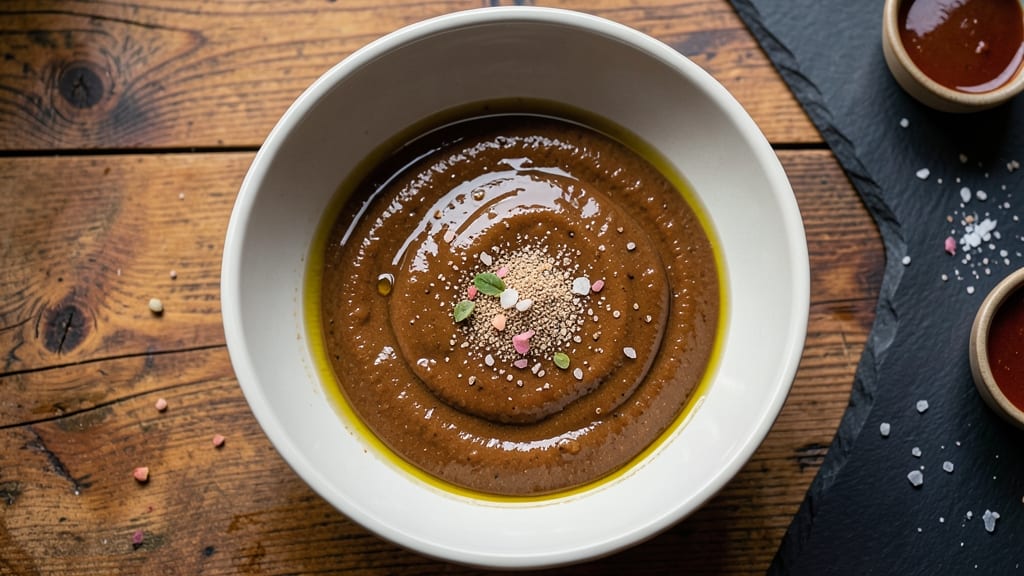
This almond flour artisan bread recipe delivers the perfect balance of nutty crust and airy crumb—no yeast, no kneading, and no compromise on texture. I developed this after years of perfecting gluten-free baking, and the secret lies in proper hydration and a touch of psyllium husk for structure. The result? A loaf so light it practically melts in your mouth, yet sturdy enough to hold up to toast or sandwiches.
The beauty of this recipe is its simplicity: just six ingredients transform into a bread with restaurant-quality texture. Almond flour provides that signature nutty flavor and richness, while psyllium husk mimics gluten's binding properties without the heaviness.
The baking process is straightforward—mix, shape, and bake—but the key to success is patience during hydration and baking times.
What sets this bread apart is its versatility. It's naturally vegan, grain-free, and perfect for those with gluten sensitivities, yet it doesn't taste like a health food compromise. The crust develops a beautiful golden-brown hue with subtle crunch, while the interior remains tender and slightly chewy.
Each slice carries that rich almond flavor without overpowering the delicate crumb.
Whether you're serving it warm with butter, using it for sandwiches, or saving slices for toast, this bread will become a staple in your kitchen. The best part? It keeps well for days, making it ideal for meal prep. Let's get started on creating your perfect loaf.
Ingredients for almond flour artisan bread
Six simple ingredients transform into restaurant-quality almond flour bread with a nutty crust and airy crumb.
| Ingredient | Amount | Notes |
|---|---|---|
| Almond Flour 🌰 | 3 cups | Finely ground, blanched preferred |
| Psyllium Husk Powder 🌿 | 2 tbsp | Key for gluten-free structure |
| Warm Water 💧 | 1 ¼ cups | 110°F for proper activation |
| Extra-Virgin Olive Oil 🫒 | ¼ cup | For richness and moisture |
| Apple Cider Vinegar 🍎 | 1 tbsp | Activates psyllium properly |
| Salt 🧂 | ½ tsp | Kosher or sea salt |
| Sesame Seeds 🌻 | 1 tbsp | For decorative crust |
Almond flour is the star here—Bob's Red Mill or Anthony's Goods are my go-tos for consistency. Blanched almond flour gives the best texture, but unblanched works in a pinch. Psyllium husk is non-negotiable for gluten-free structure—it's the secret ingredient that makes this bread hold together. Frontier Co-op sells it in bulk, or check the health food aisle. Warm water is crucial: too cold and the psyllium won't activate properly, too hot and you'll kill the psyllium's magic. Aim for 110°F water—just warm to the touch.
No sesame seeds? Poppy seeds or everything bagel seasoning work perfectly for that decorative touch. Running short on apple cider vinegar? White vinegar or lemon juice in the same amount will work—just don't skip it. The olive oil matters too: Use extra-virgin for that fruity richness. No almond flour? Cashew flour can substitute at a 1:1 ratio, but texture will differ slightly. For a deeper nutty flavor, add 1 tsp vanilla extract to the wet ingredients—trust me, it's worth it.
This dough is sensitive—work fast once mixed. Shape and bake immediately for best texture. The loaf keeps well for 3-4 days wrapped in a clean kitchen towel, or 1 week frozen in slices. For reheating, wrap slices in foil and warm at 350°F for 5 minutes. Pro tip: Brush warm slices with extra-virgin olive oil for that bakery-fresh feel. Portion into slices before freezing for perfect toast portions.
Why You'll Love This Recipe
- No-Fuss Mixing: I swear by this recipe because it’s literally just stirring. No kneading, no waiting for dough to rise—just almond flour, psyllium husk powder (the secret for that chewy texture), and a splash of warm water. Honestly, I make it while scrolling through my phone.
- Rich, Nutty Crunch: That first bite? Pure satisfaction. The almond flour gives it a toasty, buttery depth, while the apple cider vinegar keeps it light—like a cross between sourdough and a fancy biscuit. (Yes, even my picky husband asks for seconds.)
- Meal Prep MVP: This bread stays fresh for days—no sad, stale slices here. I slice it up on Sunday, toss it in the fridge, and toast portions all week. It’s my go-to for sandwiches, charcuterie boards, or just dipping in olive oil. (Between us, I’ve eaten it straight out of the bag.)
- Budget-Friendly Luxe: Almond flour’s pricey, but this recipe uses just enough to make it feel special without breaking the bank. The psyllium husk powder stretches it further, and the olive oil adds richness without needing butter. It’s the kind of bread that makes you feel fancy without the grocery bill.
Step-by-step instructions for almond flour artisan bread
This nutty, crusty bread comes together with minimal effort but delivers big flavor.
Mix the Wet Ingredients and Activate the Psyllium
In a large mixing bowl, combine the 1.25 cups warm water (about 110°F) with the 1 tbsp apple cider vinegar and 2 tbsp psyllium husk powder. Stir vigorously for 1-2 minutes until the mixture thickens into a gel-like consistency. You'll see it transform from a thin liquid to a glossy, pudding-like texture—this is the psyllium activating and forming the gluten-free structure.
Here's where it gets interesting: the psyllium needs to fully hydrate and expand. If you skip stirring or use cold water, you'll end up with a dense, gummy mess instead of a light, airy crumb. The vinegar helps activate the psyllium more effectively than water alone, so don't skip it.
Combine with Dry Ingredients and Olive Oil
Add the 3 cups almond flour, 0.25 cup extra-virgin olive oil, and 0.5 tsp salt to the psyllium mixture. Using a silicone spatula or wooden spoon, fold everything together until just combined—you should still see some dry spots in the flour. Overmixing develops gluten-like proteins that we don't want in this recipe.
The dough will be thick and sticky, almost like wet sand. Don't be tempted to add more flour—this is normal! The almond flour absorbs moisture differently than wheat flour, and the psyllium has already created the proper structure. If the dough feels too stiff, add 1-2 teaspoons more warm water to help it come together properly.
Shape and Prepare the Loaf Pan
Lightly grease an 8x4-inch loaf pan with olive oil or line it with parchment paper. Transfer the dough to the prepared pan and spread it evenly, pressing down gently to remove any air bubbles. The dough should reach about ½-inch thick throughout. Sprinkle the 1 tbsp sesame seeds evenly over the top, pressing them lightly into the surface.
Here's the thing—this dough doesn't rise like traditional bread. Instead, it relies on the psyllium and almond flour to create structure through hydration and baking. The sesame seeds will give your bread that beautiful decorative crust while adding a nutty crunch. Don't press too hard or you'll compact the crumb.
Bake to Golden Perfection
Preheat your oven to 350°F and bake the bread for 40-45 minutes until the top is deep golden brown and a toothpick inserted in the center comes out clean. The bread is done when it springs back slightly when pressed and has developed that beautiful crusty exterior with a tender crumb inside.
Real talk: your oven might run hot, so start checking at the 35-minute mark if it looks like it's browning too quickly. If the top browns too fast, tent the pan with foil to prevent over-browning while the center finishes cooking. The bread will continue cooking slightly after you remove it from the oven, so pull it out when it's just about done.
Cool and Slice for Maximum Enjoyment
Remove the bread from the pan and let it cool on a wire rack for at least 15 minutes before slicing. I know it's tempting to dig in immediately, but the crumb will be much nicer if you wait. The bread should have a crispy, nutty crust with a tender, slightly sweet crumb that's perfect for sandwiches or toast.
For the best results, store any leftovers wrapped in a clean kitchen towel to keep it fresh. This bread keeps well for 3-4 days at room temperature, though I find it's best enjoyed within the first day or two when it's at its peak texture and flavor.
Pro Tips For Making Almond Flour Artisan Bread
- STEAM IT FIRST: I learned this the hard way—almond flour dough is stubborn. After mixing, microwave the dough in a bowl for 30 seconds to soften the psyllium husk. This makes shaping easier and prevents cracks later. (Yes, even if you're impatient like me.)
- WEIGH THE FLOUR: Scooping almond flour leads to dry, dense bread. Use a kitchen scale for precision—300g of almond flour is not the same as 3 cups. Packing it too tight adds moisture; fluff it first, then measure. Your bread’s texture depends on this.
- LET IT REST: Skip the rush and let the dough sit for 20 minutes after mixing. The psyllium needs time to hydrate fully, or your loaf will crumble when baked. Cover it loosely with a damp towel—this keeps the surface soft without making it soggy.
- USE A THIN OIL FILM: Brush the inside of your loaf pan with olive oil, then wipe off the excess—leave just a thin, even coating. Too much oil makes the bread greasy; too little causes sticking. A light film is all you need for a clean release and crisp crust.
Pro cooking tips for this dish
Psyllium Activation
This is the secret step that makes or breaks your almond flour bread. The psyllium husk powder needs to be fully activated by stirring vigorously with warm water for 1-2 minutes until it forms a thick, gel-like consistency.
I use a hand mixer on low speed for this step—it saves my arm! The key is patience: if you rush, you'll end up with a dense, gummy loaf instead of the light, airy texture we want. 💧
Dough Consistency
Your dough should be thick and sticky, almost like wet sand. Resist the urge to add extra flour—this is normal! The almond flour absorbs moisture differently than wheat flour, and the psyllium has already created the proper structure.
If the dough feels too stiff, add just 1-2 teaspoons more warm water to help it come together. I've learned the hard way that overworking the dough leads to a tough crumb, so fold just until combined.
Pan Prep Matters
Grease your 8x4-inch loaf pan with olive oil or line it with parchment paper—this prevents sticking and makes removal a breeze. I like to use parchment because it adds a nonstick barrier that makes cleanup effortless.
Spread the dough evenly to about ½-inch thickness and press gently to remove air bubbles. The sesame seeds should be sprinkled lightly—they're for decoration and flavor, not weight!
Baking Precision
Your oven's hot spots will affect browning, so rotate the pan halfway through baking if needed. I check for doneness at 35 minutes—the bread should be deep golden brown and spring back slightly when pressed.
If it browns too quickly, tent with foil to prevent over-browning. The internal temperature should reach 205°F for perfect texture. 🌡️
Cooling Patience
This is where most people fail! Let your bread cool on a wire rack for at least 15 minutes before slicing. I know it's tempting to dig in immediately, but slicing too soon leads to a gummy texture.
The crust will firm up as it cools, giving you that perfect balance of crispy exterior and tender crumb. Trust the process—it's worth the wait.
Storage Secrets
Wrap leftovers in a clean kitchen towel to maintain freshness for 3-4 days at room temperature. For longer storage, slice and freeze portions—this bread reheats beautifully! I like to brush warm slices with extra olive oil for that bakery-fresh feel.
The towel keeps the bread from drying out while allowing it to breathe just enough to stay fresh. ✨
Nutrition facts
Frequently asked questions
Can I substitute almond flour with other nut flours?
Yes, but expect texture differences. Cashew flour works best at a 1:1 ratio, though it yields a denser crumb. Hazelnut or walnut flour add stronger flavors—great for flavor variations but may alter the bread's subtle sweetness. For a lighter texture, blend 50% almond flour with 50% coconut flour, but add 2 extra tbsp water to compensate for coconut's absorbency.
Why does my almond flour bread turn out dense instead of light?
Most likely, the psyllium husk wasn't fully activated or the dough was overmixed. Stir the psyllium with warm water for 1-2 full minutes until it forms a thick gel—this creates the bread's structure. Also, fold the dry ingredients just until combined to avoid developing gluten-like proteins. If the dough feels too stiff, add 1 tsp warm water at a time until it reaches wet-sand consistency.
How do I make this bread egg-free and dairy-free?
This recipe is already naturally vegan! The psyllium husk replaces eggs' binding properties, while olive oil provides moisture without dairy. For extra richness, add 1 tbsp ground flaxseed mixed with 3 tbsp water (let sit for 5 minutes to gel) to the wet ingredients. The bread maintains its airy texture and nutty flavor without any animal products.
Can I bake this bread in a different pan shape?
For a 9x5-inch loaf, reduce baking time by 5-10 minutes (check at 35 minutes). For a round freeform loaf, bake on a parchment-lined sheet at 375°F for 25-30 minutes until golden. The dough thickness matters most—aim for ½-inch throughout. Just remember, smaller pans bake faster, while larger pans need more time to develop crust.
What's the best way to reheat sliced almond flour bread?
Wrap slices in foil and warm at 350°F for 3-5 minutes until crispy again. For extra flavor, brush with olive oil before reheating. Avoid microwaving—it turns the crust soggy. Pro tip: Toast slices in a dry pan over medium heat for 1 minute per side for that bakery-fresh crunch. The bread reheats best when slightly stale rather than fresh from the oven.