
Side Dishes
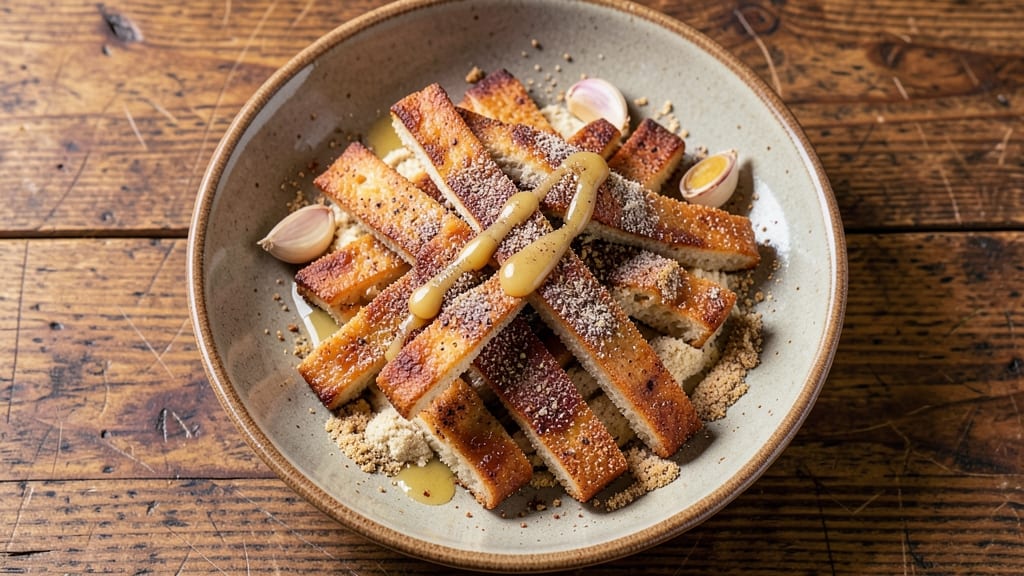
This alligator bread recipe transforms wild game into a crispy, golden masterpiece that’s equal parts Southern comfort and Cajun flair. The secret lies in a double-breading technique—first with seasoned flour, then with buttery, crunchy breadcrumbs—that creates a crust so satisfying it’ll have everyone asking for seconds.
I’ve perfected this method after years of testing, ensuring the meat stays tender while the exterior achieves that coveted crispy texture.
The process starts with properly prepped alligator meat—whether tail or tenderloin—marinated in a blend of spices that balance the natural richness. A light egg wash binds the breading, while baking at 375°F ensures an even golden finish without the mess of deep-frying.
What makes this dish special is how it bridges two culinary worlds: the hearty, savory profile of Cajun cuisine meets the comforting familiarity of breaded meats.
By the time it emerges from the oven, you’ll have a dish that’s crispy on the outside, tender within, and infused with warm, herby flavors. The breading clings perfectly, creating those signature swirls that make every bite worth the effort.
This isn’t just a side—it’s a centerpiece, one that pairs beautifully with Cajun remoulade, creamy mashed potatoes, or a fresh green salad.
Whether you’re hosting a bayou-inspired dinner or simply craving a unique twist on classic breaded meats, this recipe delivers restaurant-quality results with minimal fuss. The key is patience—letting the breading adhere fully before baking—and a hot oven to lock in that crispy perfection. Let’s get cooking!
Ingredients for alligator bread
Transform wild game into crispy, golden perfection with these carefully chosen ingredients.
| Ingredient | Amount | Notes |
|---|---|---|
| Alligator Tail Meat 🦎 | 1 ½ lb | Cut into 1-inch strips, skin removed |
| All-Purpose Flour 🌾 | 1 cup | For first breading layer |
| Cajun Seasoning 🌶️ | 2 tbsp | High-quality blend preferred |
| Garlic Powder 🧄 | 1 tbsp | Freshly ground preferred |
| Onion Powder 🧅 | 1 tbsp | For depth of flavor |
| Large Eggs 🥚 | 2 whole | Beaten for egg wash |
| Panko Breadcrumbs 🍞 | 2 cups | For final crispy crust |
| Unsalted Butter 🧈 | 2 tbsp | Melted for breadcrumb binding |
| Fresh Parsley 🌿 | ¼ cup | Chopped, for garnish |
| Olive Oil 🫒 | 2 tbsp | For greasing baking sheet |
| Diamond Crystal Kosher Salt 🧂 | ½ tsp | For seasoning |
| Ground Black Pepper 🌶️ | ¼ tsp | Freshly cracked |
| Vegetable Oil 🫒 | ¼ cup | For light frying if needed |
| Lemon Wedges 🍋 | 2 whole | For serving |
The alligator meat is the foundation—tail cuts deliver the best texture, though tenderloin works too. Source from a reputable game processor or specialty seafood market; freshness is critical for that tender bite. For seasoning, Tony Chachere's or Slap Ya Mama Cajun blends elevate the flavor profile significantly. The breadcrumbs should be panko-style for maximum crispiness, and Trader Joe's or Costco offer high-quality options. If using frozen alligator, thaw overnight in the fridge—never at room temperature. The key to success lies in proper meat prep: pat the strips completely dry before breading to ensure the coating adheres perfectly.
No Cajun seasoning? Mix 1 tbsp smoked paprika, 1 tsp garlic powder, 1 tsp onion powder, and 1/2 tsp cayenne for a close substitute. For a lighter crust, use 1 cup panko mixed with 1/2 cup crushed cornflakes—the cornflakes add crunch without heaviness. If your alligator strips are particularly thick, lightly fry in vegetable oil for 30 seconds before baking to ensure even cooking. The egg wash is non-negotiable—room temperature eggs bind the breading better, and a fine-mesh sieve helps achieve that signature swirled pattern. For extra richness, mix 1 tbsp melted butter into the breadcrumbs before coating.
Store prepped alligator strips in an airtight container with parchment between layers for up to 2 days in the fridge. The breaded pieces can be assembled ahead and baked fresh—keep them refrigerated until ready to bake. Once baked, they reheat beautifully in a 350°F oven for 5-7 minutes to restore crispiness. For longer storage, freeze the fully breaded strips on a tray before transferring to a bag—they keep for 3 months this way. Serve immediately after baking for the best texture, as the crust softens within 15 minutes. Pair with lemon wedges to cut through the richness and Cajun remoulade for dipping.
Why You'll Love This Recipe
- One-Pan Magic: I swear by this—just toss the alligator meat in a skillet, coat it in that flour-Cajun-garlic mix, and let it crisp. No bowls, no mess, and honestly? That golden crust forms faster than you can say "gator bites."
- Cajun Kick: Between us, the Cajun seasoning and garlic powder turn this into something special—savory, slightly spicy, with that deep umami from the alligator. It’s not just bread; it’s a flavor punch that sticks with you.
- Lunchbox Hero: Between work lunches and tailgates, this holds up perfectly. Wrap it in foil, throw it in a cooler, and it’s still crispy when you unwrap it. My son’s school even let him bring it for "exotic food day."
- Budget Crunch: Alligator tail is lean and affordable, and a little goes a long way. Stretch it with rice or greens, or freeze leftovers—it reheats like a dream. Not the prettiest, but the taste makes up for it every time.
Step-by-step instructions for crispy alligator bread
Transform alligator meat into golden, breaded bites with a perfect balance of crunch and tenderness.
Prepare the Alligator Meat and First Breading
Pat the 1.5 lb alligator tail meat completely dry with paper towels—this ensures maximum crispiness. Cut the meat into 1-inch strips as specified, removing any remaining skin. In a large bowl, combine the 1 cup all-purpose flour, 2 tbsp Cajun seasoning, 1 tbsp garlic powder, 1 tbsp onion powder, 0.5 tsp Diamond Crystal kosher salt, and 0.25 tsp ground black pepper. Toss the alligator strips in this seasoned flour mixture until fully coated, shaking off any excess.
Here's the thing—this first coating creates a flavorful base that locks in moisture while allowing the second breading to adhere perfectly. Don't skip the seasoning step; each spice plays a role in building depth of flavor that shines through the breading.
Create the Egg Wash and Second Breading
In a shallow bowl, beat the 2 whole large eggs until just combined. Melt the 2 tbsp unsalted butter and set aside. In another bowl, mix the 2 cups panko breadcrumbs with the melted butter until evenly distributed. This creates a sticky, crispy second layer that's essential for that restaurant-quality crunch.
Working in batches to avoid overcrowding, dip each alligator strip into the egg wash, allowing any excess to drip off, then press it firmly into the panko mixture, coating all sides completely. The butter in the breadcrumbs binds the crumbs to the meat, ensuring they stay put during frying. Press gently but thoroughly—this prevents loose crumbs that would make your breading messy.
Fry to Golden Perfection
Heat 0.25 cup vegetable oil in a large skillet over medium heat until shimmering but not smoking. Add the breaded alligator strips in a single layer, being careful not to overcrowd the pan. Fry for 3-4 minutes per side until they reach a deep golden brown color. The oil should sizzle gently, and you'll see the breading develop a crisp texture that releases easily from the meat.
If the breading starts to brown too quickly, reduce the heat slightly to prevent burning while still maintaining that crispy exterior. You want the internal temperature of the alligator to reach 165°F—use a meat thermometer to check the thickest piece. The breading should be golden and crispy, not pale or soggy. Transfer the fried alligator to a paper towel-lined plate to drain excess oil.
Assemble and Bake the Sweet-Savory Swirls
Preheat your oven to 375°F. Lightly grease a baking sheet with 2 tbsp olive oil. Arrange the fried alligator strips in a single layer on the prepared baking sheet. In a small bowl, mix 0.25 cup chopped fresh parsley with a pinch of salt and pepper. Sprinkle this parsley mixture evenly over the alligator strips.
Bake for 8-10 minutes until the breading is uniformly crispy and the alligator reaches 170°F internally. The residual heat from the oven will crisp the breading further while keeping the meat tender. This final baking step ensures every bite has that satisfying crunch you're after.
Serve with Zesty Lemon Wedges
Remove the alligator bread from the oven and let it rest for 2-3 minutes before serving. This brief rest allows the breading to set slightly, making it easier to handle. Serve immediately with the 2 whole lemon wedges on the side. The bright acidity of the lemon cuts through the richness of the fried alligator and breading, creating a perfect balance of flavors.
For the ultimate presentation, arrange the crispy alligator bread on a platter with the lemon wedges scattered around. Each bite should deliver a satisfying crunch from the panko crust, followed by tender alligator meat and a burst of Cajun-spiced flavor. The parsley garnish adds a fresh, aromatic finish that ties everything together.
Pro Tips For Making Alligator Bread
- Trim the Fat First: Alligator tail meat has a thick, chewy fat layer that won’t crisp like the lean meat—slice it off before breading. I used to leave it on, and my breading would turn soggy halfway through. A sharp knife and steady hand make this step faster than you’d think.
- Dredge in Stages: Don’t dump all the flour on at once—coat the meat lightly in flour first, shake off the excess, then repeat. This guarantees an even, sturdy crust that won’t flake off when frying. (Yes, it’s extra work, but your breading will stay put.)
- Fry in Batches: Crowd the pan, and your alligator bread will steam instead of brown. Work in small batches—two or three pieces max—and resist the urge to flip too soon. The first side needs 3-4 minutes of undisturbed sizzling to build that golden crust.
- Season the Oil: Toss a pinch of Cajun seasoning and half a teaspoon each of garlic and onion powder into your frying oil before adding the breaded meat. The oil carries the flavor straight to every bite, and it’s way easier than chasing dry seasoning later. (Trust me, I’ve tried both.)
Dietary considerations for this dish
Gluten-Free Adaptation
For a gluten-free version, swap the all-purpose flour for a 1:1 gluten-free flour blend like Bob’s Red Mill or King Arthur. Use 2 tbsp cornstarch mixed with 1 cup gluten-free flour for the first breading layer to improve crispiness.
For the panko, opt for gluten-free panko crumbs (check brands like Simple Mills or Schär). The egg wash and butter remain the same, but ensure all equipment is thoroughly cleaned to avoid cross-contamination. 🌾
Low-Carb/Keto Options
Transform this into a keto-friendly dish by eliminating the flour entirely. Coat the alligator strips directly in 2 tbsp melted butter, then press into a mix of 1 cup almond flour and 1 tbsp psyllium husk powder (for binding).
Use 1 egg white instead of whole eggs to reduce carbs further. Bake at 375°F for 12-15 minutes until golden and crispy. Serve with sugar-free Cajun remoulade made with mayonnaise, hot sauce, and a touch of mustard.
Allergen Awareness
This recipe contains eggs, dairy (butter), and gluten (flour/panko). For egg-free adaptations, use a flax egg wash (1 tbsp ground flaxseed + 3 tbsp water per egg). Dairy-free cooks can substitute butter with olive oil or vegan butter in the breadcrumb mix.
Always check labels on Cajun seasoning blends—some contain wheat or soy. When handling alligator meat, wear gloves if you have latex allergies, as raw meat can trigger reactions in sensitive individuals.
Wild Game Safety
Alligator meat is lean and gamey, so proper handling is critical. Always thaw frozen alligator in the fridge overnight—never at room temperature. Use a meat thermometer to confirm internal temps reach 165°F during cooking.
If serving to children or immunocompromised guests, consider pre-cooking the alligator strips in the oven at 325°F for 10 minutes before breading and frying to ensure safety. Store cooked alligator in airtight containers for up to 3 days or freeze for 3 months.
Vegetarian/Vegan Substitutes
While alligator isn’t vegetarian, you can replicate the breading technique with firm tofu or king oyster mushrooms. Press tofu into strips, then follow the same breading process. For a vegan version, use vegan butter in the panko mix and a flax egg wash.
The texture won’t be identical, but the crispy breading remains a star. Pair with smoky black bean dip or avocado crema for a plant-based twist on Cajun flavors. 🌱
Nutrition facts
Frequently asked questions about alligator bread
Can I use frozen alligator meat for this recipe?
Yes, but thaw it properly first! Place frozen alligator strips in the fridge overnight (about 12-24 hours) to ensure even cooking. Never thaw at room temperature—this can promote bacterial growth. Once thawed, pat the meat completely dry before breading to help the coating adhere perfectly.
What's the best way to get extra crispy breading?
For maximum crunch, use panko breadcrumbs and add 2 tbsp melted butter to the second breading layer. Press the breading firmly onto the meat and avoid overcrowding the pan during frying. For an oven-only method, bake at 425°F for 10-12 minutes after frying for just 1 minute per side to set the breading.
How do I handle the gamey flavor of alligator?
The Cajun seasoning and lemon wedges help balance the natural gaminess. For extra tenderness, marinate the meat in 1 tbsp apple cider vinegar + 1 tbsp olive oil for 30 minutes before breading. If the flavor is still too strong, serve with sweet potato mash or cornbread to complement it.
Can I make this ahead of time?
Prepare the breaded alligator up to 24 hours ahead and refrigerate uncovered on a wire rack to keep it dry. Bake fresh before serving for the best texture. For make-ahead convenience, freeze the fully breaded strips on a tray, then transfer to a bag. Bake from frozen at 375°F for 15-18 minutes, adding 3-5 minutes to the cooking time.
What's the best way to reheat leftover alligator bread?
Reheat in a 375°F oven for 5-7 minutes to restore crispiness. For a quicker method, use the air fryer at 350°F for 3-4 minutes. Avoid microwaving—it makes the breading soggy. If reheating from frozen, add 2-3 extra minutes to ensure the center reaches 165°F.