
Side Dishes
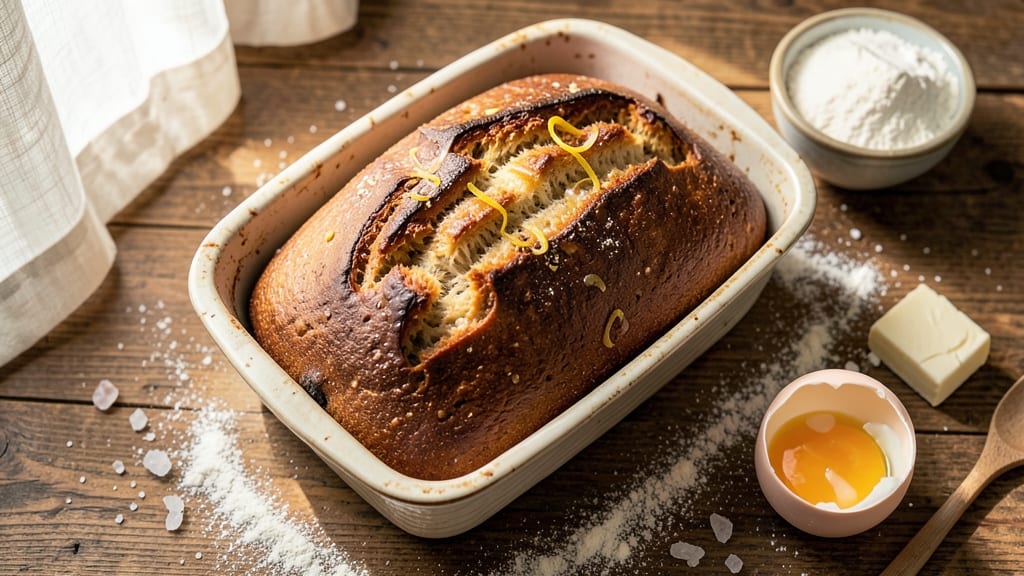
This Aldi bread oven recipe delivers a soft-crusted sandwich loaf with restaurant-quality texture in just 45 minutes—perfect for budget-friendly homemade bread that actually beats store-bought.
The secret lies in using Aldi's affordable flour and yeast while mastering a simple dough technique that yields tender crumb and crisp edges without fancy equipment.
What makes this recipe stand out is the foolproof method that skips complicated steps: mix, knead, proof, shape, and bake. No Dutch ovens or special tools required—just your standard home oven and a few pantry staples.
The dough rises twice for maximum flavor and texture, while a light egg wash gives that golden, inviting crust everyone loves.
By the time you pull that warm loaf from the oven, you'll have bread with a soft, pillowy interior and a slightly crisp exterior—ideal for sandwiches, toast, or dipping in olive oil.
The best part? This recipe uses Aldi's budget-friendly ingredients without sacrificing quality, making it perfect for feeding a family without breaking the bank.
Whether you're making lunch sandwiches or serving warm slices with butter, this loaf delivers homemade satisfaction that tastes like it came from a bakery. Let's get started with the simple steps that transform basic ingredients into something extraordinary.
Ingredients for aldi bread oven
Budget-friendly loaf with restaurant-quality texture—just seven simple ingredients transform into perfect sandwich bread.
| Ingredient | Amount | Notes |
|---|---|---|
| Aldi All-Purpose Flour 🌾 | 4 cups | Sifted for light texture |
| Instant Yeast 🍞 | 2 ¼ tsp | Aldi brand preferred |
| Granulated Sugar 🍚 | 1 tbsp | White or brown works |
| Salt 🧂 | 1 tsp | Diamond Crystal preferred |
| Unsalted Butter 🧈 | ½ cup | Cold, cubed for dough |
| Large Eggs 🥚 | 1 whole | Room temperature for wash |
| Warm Water 💧 | 1 ¼ cups | 110°F for yeast activation |
| Milk 🥛 | ¼ cup | Warmed for dough richness |
| Olive Oil 🫒 | 1 tbsp | For bowl coating |
| Cornmeal 🌽 | ½ cup | For dusting parchment |
Aldi's flour is the secret weapon here—its protein content creates that ideal sandwich loaf texture. Grab the 5-pound bag from Aldi's baking aisle (it's usually $2.50) since you'll use it for other recipes too. The yeast? Instant yeast from Aldi's baking section works perfectly—no need for fancy brands. For the butter, stick with unsalted (the salt is already accounted for in the recipe). If you're short on time, microwave the butter 40 seconds to soften it before mixing, but don't melt it completely. The warm water is critical—test it with your finger (should feel like bathwater). Too hot and you'll kill the yeast; too cold and it won't activate properly.
No instant yeast? Active dry yeast works too—just dissolve it in the warm water with sugar first and let it foam for 5 minutes. Out of olive oil? Melted butter or vegetable oil works in a pinch, though olive oil adds that subtle richness. The milk can be any kind (whole, 2%, or even almond milk), but warm it first—cold milk makes the dough tough. For the egg wash, beat the egg lightly with 1 tsp water for even brushing. And if you're making this with kids, let them sprinkle the cornmeal on the parchment—it's the fun part!
This dough keeps beautifully—cover with a damp towel in the fridge for up to 24 hours if you want to bake tomorrow. For longer storage, freeze the shaped loaf (before baking) for 3 months—thaw overnight in the fridge, then bake as directed. The bread reheats wonderfully: 5 minutes at 300°F wrapped in foil brings it back to fresh-from-oven perfection. I always make two loaves—one for sandwiches, one for toast. Slice when completely cool to prevent gummy bread, and store in an airtight bag for 5-7 days.
Why You'll Love This Recipe
- No-Knead Magic: This bread comes together with just five ingredients—no fancy techniques, no waiting for dough to rise overnight. I toss in the instant yeast, mix everything in a bowl, let it sit for an hour, and boom: golden crust ready to pull from the oven.
- Buttery Soft Crust: That crispy exterior with a tender, almost cake-like interior? It’s all thanks to the cold butter cut into the dough. Honestly, the first time I bit into it, I thought, "Why haven’t I been doing this all along?"
- Weeknight Wonder: Between us, this is my go-to when I’m too tired for dinner but still want something warm and satisfying. It reheats beautifully—just a few minutes in the oven—and turns into toast, sandwiches, or even garlic bread without extra effort.
- Budget-Friendly Staple: Aldi’s flour and butter keep costs low, and one batch stretches for days. I’ll be real: I’ve made this three times in a row for lunch, and it never gets old. Plus, the sugar adds just enough sweetness to make it feel like a treat, not a chore.
Step-by-step instructions for soft-crusted sandwich loaf
Here's how to transform simple pantry staples into a perfectly soft, crusty loaf that's ready in under an hour.
Activate the Yeast and Mix the Dough
In a large bowl, whisk together the 1.25 cups warm water (about 110°F), 1 tbsp granulated sugar, and 2.25 tsp instant yeast. Let it sit for 5-10 minutes until frothy—this confirms your yeast is alive and ready to work. If it doesn't bubble, start over with fresh yeast.
In a separate bowl, combine the 4 cups Aldi all-purpose flour and 1 tsp salt. Make a well in the center and add the yeast mixture, 0.5 cup cold cubed unsalted butter, 1 whole large egg, and 0.25 cup warm milk. Using a wooden spoon, stir until a shaggy dough forms. Here's the thing—don't overwork it yet. The dough needs to come together naturally.
Knead and Shape the Dough
Lightly flour a clean surface and turn out the dough. Knead for 5-7 minutes until smooth and elastic. You'll know it's ready when it springs back slowly when poked. This step develops gluten, which gives your bread that perfect chewy texture without being dense.
Shape the dough into a 12x6-inch oval loaf by rolling it gently with your hands. Place it in a bowl lightly coated with 1 tbsp olive oil, cover with a damp towel, and let it rise in a warm place for 30-40 minutes until nearly doubled in size. The dough should feel light and airy when pressed gently—this is your cue it's ready for the oven.
Prepare the Loaf Pan and Bake
Preheat your oven to 375°F. Generously grease a 9x5-inch loaf pan with butter or oil, then dust the bottom with 0.5 cup cornmeal. This creates a crispy crust while preventing sticking. Transfer the risen dough to the pan and let it rest for 5 minutes—this helps it hold its shape during baking.
Bake for 35-40 minutes until the top is golden brown and sounds hollow when tapped. If the top browns too quickly, tent with foil to prevent over-browning while the inside finishes cooking. The internal temperature should reach 190°F—this ensures a perfectly soft interior.
Cool and Serve
Remove the loaf from the pan immediately and place it on a wire rack to cool for 15 minutes. This step is crucial—cooling prevents sogginess and makes slicing easier. The bread will be warm but fully set, with a soft, pillowy interior and a crisp crust that's perfect for sandwiches.
Slice while still slightly warm for the best texture. Store leftovers wrapped in a clean kitchen towel to maintain freshness for up to 3 days. This loaf is ideal for classic sandwiches, toast, or even garlic bread—simple, versatile, and absolutely delicious.
Pro Tips For Making Aldi Bread Oven
- USE COLD BUTTER: I learned this the hard way—mixing softened butter into the dough makes it gummy. Take that Aldi unsalted butter straight from the fridge, grate it into the flour, and let the heat of your hands work it in. You’ll get even distribution without overworking the dough, and the texture stays light.
- LET THE DOUGH RISE TWICE: One rise is fine, but two gives you that airy, bakery-style crumb. After the first rise (usually 1-2 hours), punch it down, shape the loaf, then let it rise again—this time in the pan—while the oven preheats. The extra time makes a real difference in how tender the bread turns out.
- STEAM THE FIRST 10 MINUTES: No, you don’t need a fancy steamer—just boil a kettle while the oven preheats. Pour a cup of hot water into a heatproof bowl on the bottom rack, then slide it out after 10 minutes. This creates steam that guarantees a crisp crust without drying out the crumb underneath.
- WEIGH YOUR FLOUR: Scooping Aldi flour by the cup leads to inconsistent results. Use a kitchen scale for precision—350 grams of flour is the sweet spot for this recipe. Packing the cup slightly changes the ratio, and you’ll end up with either a dense loaf or one that collapses. Worth the 10-second effort.
Common mistakes when making this recipe
Overproofing Disaster
I’ve ruined more loaves than I’d admit by letting dough rise too long—overproofed bread collapses into a sad, dense mess. Watch the dough closely after 30 minutes of rising: it should double in size and feel light when pressed gently. If it springs back slowly, it’s ready.
If it leaves a deep indent that doesn’t bounce back, kill the yeast by punching it down and starting over with fresh yeast. Pro tip: Use a timer or set a phone reminder to avoid this common mistake. 🕒
Skipping the Rest
Transferring dough straight from the bowl to the pan without a 5-minute rest causes it to lose shape mid-bake, leading to uneven rises and dense spots. This brief pause lets gluten relax and redistribute, ensuring your loaf holds its oval form perfectly.
I learned this the hard way when my first batch turned into a lopsided blob—never skip this step, even if you’re eager to bake!
Wrong Oven Temp
Baking at 350°F instead of the required 375°F results in a pale, gummy loaf with a weak crust. Too hot? The exterior burns before the center cooks through. Use an oven thermometer to confirm accuracy—many home ovens run 25°F hotter or colder than set.
For Aldi’s budget-friendly loaf, stick to 375°F—this ensures a crisp exterior and soft interior every time. 🌡️
Greasing the Pan Wrong
Using too much oil or butter in the loaf pan creates a sticky mess that makes removing the bread impossible. Instead, lightly grease the pan with a paper towel dipped in oil, then dust with cornmeal—this prevents sticking while adding a subtle crunch.
I once spent 10 minutes prying a loaf out of a heavily greased pan. Trust me, less is more here.
Ignoring the Egg Wash
Skipping the egg wash or brushing it on too thickly leads to a dull, dry crust instead of the golden, appetizing finish you want. Beat the egg with 1 tsp water for even coverage, then brush lightly—just enough to coat the surface.
A heavy hand here makes the crust tough and rubbery. This simple step elevates your bread from "homemade" to "bakery-quality" in seconds. 🍳
Cutting Too Soon
Slicing bread immediately after baking traps steam inside, creating a gummy, gluey texture. Always let the loaf cool on a wire rack for at least 15 minutes before slicing.
I’ve made this mistake too many times—patience pays off with clean slices and a perfect crumb. Store leftovers in an airtight bag to keep them fresh for days.
Nutrition facts
Frequently asked questions
Can I make this recipe without a loaf pan?
Yes! Shape the dough into a free-form loaf or round boule, then bake on a parchment-lined baking sheet. Brush with egg wash and bake at 375°F for 25-30 minutes until golden. For extra crispiness, sprinkle with coarse salt or seeds before baking. Just watch the oven closely to prevent over-browning.
How do I store leftovers to keep them fresh?
Wrap the cooled loaf in a clean kitchen towel or store in an airtight container at room temperature for 2-3 days. For longer storage, slice and freeze individual portions for up to 3 months. To revive stale bread, wrap in foil and warm at 350°F for 5-10 minutes—it'll taste fresh again!
What if my dough doesn't rise?
Check your yeast first—it may be expired. Warm the water to 110°F (like bathwater) and test with a thermometer. If using active dry yeast, dissolve it in the warm water with sugar first and wait 5 minutes for bubbles. Keep your rising dough in a warm spot (like a turned-off oven with a light on) and give it 45-60 minutes total.
Can I add seeds or herbs to this recipe?
Mix in 1-2 tablespoons of seeds (sesame, poppy, or sunflower) or finely chopped herbs (rosemary, thyme) with the flour before kneading. For extra flavor, add 1/4 teaspoon of garlic powder or onion powder to the dough. Just reduce the flour slightly to keep the dough from getting too dense.
Why did my bread turn out dense?
Dense bread usually means over-kneading (develops too much gluten) or underproofing (not enough rise time). Knead just until smooth (5-7 minutes), and let the dough rise until it's nearly doubled in size. Also check your oven temperature—375°F is critical for proper baking. If all else fails, try making the dough again with fresh yeast.