
Side Dishes
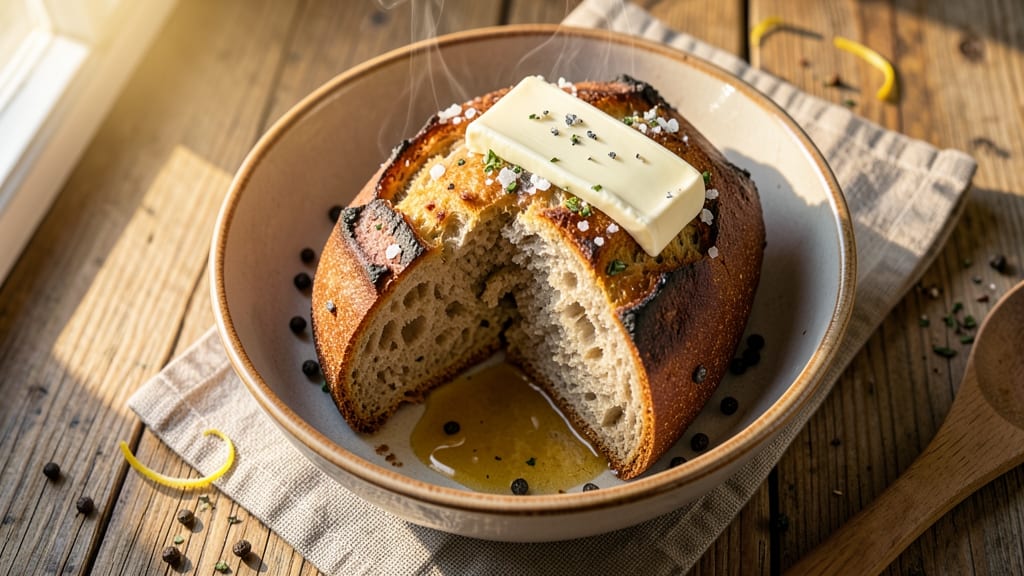
This Alaska sourdough bread recipe brings the rugged charm of the Last Frontier to your kitchen, where wild berries meet crispy Arctic crust. The cold climate of Alaska inspired a dough that ferments longer for deeper flavor, while swirls of tart berries add a touch of wilderness sweetness.
Perfect for hearty meals or sharing with neighbors, this loaf delivers restaurant-quality texture with a rustic, homemade soul.
What sets this recipe apart is its authentic adaptation for Alaska’s conditions—longer fermentation in cooler climates creates a lighter crumb and more complex flavor.
The dough develops a crusty, golden-brown exterior with a tender interior, while wild berries (like lingonberries or blueberries) swirl through the center for bursts of tangy-sweet surprise. No special equipment is needed, just time and patience to let the magic unfold.
The process is straightforward but rewarding: begin with a foolproof sourdough starter (or use store-bought), then mix, knead, and ferment the dough for 12–24 hours in the fridge. Shaping and scoring are simple, and baking at 425°F with steam ensures that crusty, crackling exterior we all crave.
The result? A loaf so good, it’ll make you forget you’re miles from the Alaskan wilderness.
Once baked, let the bread cool completely before slicing—this ensures clean cuts and maximum flavor. Store wrapped at room temperature for 3–4 days or freeze for longer shelf life.
Perfect for toast, sandwiches, or simply enjoying with butter and jam, this Alaska-inspired sourdough is a labor of love that tastes like home.
Ingredients for alaska sourdough bread
Wild berries, Arctic crust, and a sourdough soul—just 11 ingredients transform your kitchen into Alaska's rugged charm.
| Ingredient | Amount | Notes |
|---|---|---|
| Active Sourdough Starter 🍞 | ½ cup | Unfed, bubbly starter (100% hydration) |
| All-Purpose Flour 🌾 | 4 cups | King Arthur or similar high-gluten |
| Whole Wheat Flour 🌾 | 1 cup | For nuttier flavor and texture |
| Granulated Sugar 🍚 | 1 ½ tbsp | Feeds the starter and caramelizes crust |
| Kosher Salt 🧂 | 1 ½ tsp | Diamond Crystal preferred |
| Unsalted Butter 🧈 | ½ cup | Cold, cubed for swirls |
| Lingonberries or Blueberries 🫐 | 1 cup | Fresh or frozen, tart preferred |
| Water 💧 | 1 ½ cups | Room temperature, filtered |
| Cornmeal 🌽 | ¼ cup | For dusting and scoring |
| Honey or Maple Syrup 🍯 | 1 tbsp | Optional crust glaze |
| Ice Cubes ❄️ | ½ cup | For steam in Dutch oven |
The sourdough starter is non-negotiable here. King Arthur's sourdough mix is my go-to for beginners, but a well-fed homemade starter works wonders too. Look for that bubbly, jiggly texture—if it smells like vinegar, it's ready. For the flours, King Arthur's high-gluten blend gives that perfect open crumb, while the whole wheat adds rustic depth. Most grocery stores carry these, but specialty baking shops like Sur La Table have better selections if you're feeling fancy. The berries? Lingonberries are ideal for that Alaskan tang, but frozen blueberries work in a pinch—just don't thaw them first.
No lingonberries? Cranberries or tart cherries bring similar brightness. The butter swirls can be swapped for vegan butter or coconut oil if needed, though traditional butter gives that signature richness. Running short on time? Pre-ferment the dough overnight—just mix everything except the butter and berries, then fold them in during the final stretch. The honey glaze is optional but worth it for that golden, crackly crust. If you're baking in a hot climate, chill the dough for 2 hours before shaping to prevent over-rising.
This dough is a patient's game—ferment it 12-24 hours in the fridge for maximum flavor. Shape it into a round boule or batard, then score with a razor before baking. For that Arctic crust, bake at 425°F with steam—place a tray of ice cubes in your oven 10 minutes before baking. Once cooled, store wrapped at room temperature for 4-5 days, or freeze for up to 3 months. The berries keep best frozen, so portion them out before baking. Leftovers? Toast slices for breakfast or use in French toast with maple syrup—trust me, it's divine.
Why You'll Love This Recipe
- No-Fuss Dough: I swear, this recipe only needs a bowl, a spoon, and 10 minutes of my time. Just mix the active sourdough starter with the flours, a pinch of sugar, and salt—no kneading, no fuss. Honestly, my hands are usually still sticky from the whole wheat flour when I pop it in the oven.
- Crusty & Tangy: That whole wheat gives it a nutty bite, while the all-purpose keeps it light. The sugar caramelizes just enough to make the crust golden and irresistible—like a hug from Alaska’s wild edges, but in bread form.
- Weeknight Hero: I make a loaf on Sundays, and it lasts me all week. Toast it for breakfast, use it for sandwiches, or tear it over soup—it’s my go-to when I’m too tired to think. (Yes, even on a Tuesday night.)
- Budget-Friendly Staple: A little starter goes a long way, and flour is cheap. This bread costs me pennies per slice but tastes like I spent hours baking. My wallet and taste buds both win. Between us, I’ve fed a houseful with one batch.
Step-by-step instructions for Alaska sourdough bread with wild berry swirls
Here's how to craft a rustic loaf with a crisp Arctic crust and tangy berry swirls—every step matters.
Mix the Dough and Incorporate the Starter
In a large mixing bowl, combine the 0.5 cup active sourdough starter, 1.5 cups water, 1.5 tbsp granulated sugar, and 1.5 tsp kosher salt. I like to use my fingers to break up the starter clumps first—this ensures even distribution throughout the dough. Let it sit for 5 minutes while you measure out the flours.
Next, whisk together the 4 cups all-purpose flour and 1 cup whole wheat flour in a separate bowl. Gradually add this flour mixture to the wet ingredients while stirring with a wooden spoon. The dough will be shaggy at first—this is normal. Once combined, transfer the dough to a clean countertop and knead for 8-10 minutes until smooth and elastic. You'll know it's ready when it springs back slowly when poked.
Add Butter and Berries for the Signature Swirl
Cut the 0.5 cup unsalted butter into small cubes and let them soften slightly at room temperature for 10 minutes. While the butter softens, toss the 1 cup lingonberries or blueberries with 1 tbsp honey or maple syrup in a small bowl—this sweetens the berries and prevents them from sinking to the bottom of the dough.
Once the butter is pliable but not melted, fold it into the kneaded dough along with the berry mixture. I like to use my hands to gently press the butter into the dough, creating pockets for the berries to swirl through. The dough will become sticky—this is expected. Cover the bowl with a damp towel and let it rest at room temperature for 1 hour or until it rises about 50%.
Shape and Prepare for Proofing
Lightly dust your countertop with 0.25 cup cornmeal to prevent sticking. Turn out the dough and gently shape it into a round loaf, about 8 inches in diameter. Place it seam-side up in a greased bowl, cover with a damp towel, and let it proof for another 1-2 hours or until it nearly doubles in size. The dough should feel soft and jiggly when pressed gently with a finger.
While the dough proofs, preheat your oven to 450°F. Place a Dutch oven with a lid in the oven to heat for 30 minutes. This step is crucial—it ensures your bread gets that signature Arctic crust. Once the oven and Dutch oven are hot, carefully transfer the dough to a piece of parchment paper, then invert it into the hot Dutch oven. Sprinkle the top with a little more cornmeal for texture.
Bake with Ice for Steam and Crust
Add the 0.5 cup ice cubes to the bottom of the Dutch oven before closing the lid. This creates steam during baking, which gives your bread that crispy crust and open crumb. Bake for 30 minutes with the lid on, then remove the lid and bake for another 15-20 minutes until the bread is deep golden brown and sounds hollow when tapped on the bottom.
The ice will melt and create steam, which helps develop that rustic, crusty exterior. If the top browns too quickly, tent the bread loosely with foil to prevent burning. Once baked, let the bread cool on a wire rack for at least 1 hour before slicing—this allows the crumb to set and prevents a gummy texture.
Glaze and Serve for Maximum Flavor
While the bread cools, brush the top with an additional 1 tbsp honey or maple syrup mixed with 1 teaspoon water for a glossy finish. This step enhances the sweetness of the berries and adds a subtle caramelized flavor to the crust. Slice the bread and serve warm—each bite should deliver a perfect balance of tangy sourdough, sweet berries, and crispy crust.
This loaf keeps well for 3-4 days at room temperature or can be frozen for up to 3 months. The berries will soften slightly over time, but the crust remains crispy when toasted. Enjoy with a pat of butter or a smear of clotted cream for the ultimate Alaska-inspired treat.
Pro Tips For Making Alaska Sourdough Bread
- Use a 70% hydration ratio: I learned this the hard way—Alaska’s dry climate demands a slightly stiffer dough than typical sourdough. Stick to 70% hydration (water to flour ratio) to prevent a gummy crumb, especially when mixing whole wheat flour. The extra structure helps it hold up better in the cold, too.
- Salt the whole wheat first: My grandmother swore by this, and she was right: sprinkle the full salt amount only over the whole wheat flour before mixing. The salt dissolves better into the bran’s moisture, so it distributes evenly instead of clumping later. Skip this, and you’ll taste uneven saltiness in every bite.
- Steam the oven for 20 minutes: This isn’t the prettiest method, but it’s the tastiest: place a metal tray on the bottom rack, fill it with boiling water, and let the oven steam for 20 minutes before baking. The whole wheat flour in this recipe loves steam—it guarantees a crisp crust without burning, which is crucial when using a mix of flours.
- Skip the extra sugar if your starter’s active: Sounds weird, but it works: if your sourdough starter is bubbly and doubles in 4–6 hours, cut the granulated sugar to 1 tablespoon. The extra sweetness masks the tang when the starter’s already strong. I was skeptical until I tried it—the crust still caramelizes, but the flavor’s cleaner.
Flavor customization for this alaska sourdough bread
Sweet-Tart Berry Variations
Swap the lingonberries for cranberries or tart cherries to keep that signature Alaska tang—just toss them with 1 tbsp honey before folding into the dough. For a deeper flavor, try blackcurrants (if available) or raspberries with a pinch of cinnamon added to the dough.
I’ve even used apricots for a jammy twist, though they soften faster during baking. 🫐
Spiced Crust Enhancements
Add ½ tsp ground cinnamon or ¼ tsp cardamom to the dough for warmth, or sprinkle coarse sea salt on top before baking for a salty-sweet contrast. A drizzle of maple syrup mixed with vanilla extract before glazing adds complexity.
For a smoky touch, brush the crust with a little cold-pressed rapeseed oil after baking—it mimics the subtle earthiness of Alaskan wildfires. ✨
Nutty or Seed Swirls
Replace butter with ½ cup chopped walnuts or pecans for a crunchy texture, or fold in 1 tbsp pumpkin seeds for a rustic twist. Toast the nuts first to deepen their flavor—just spread them on a baking sheet at 350°F for 5 minutes.
For a savory option, try crumbled bacon or sun-dried tomatoes mixed with the berries. 🌰
Gluten-Free Adaptations
Substitute ½ cup gluten-free all-purpose flour (like King Arthur’s Measure for Measure) for the all-purpose flour, and add 1 tsp xanthan gum to improve elasticity. Use ½ cup sorghum flour instead of whole wheat for a lighter texture.
Ferment times may need extending—24–48 hours in the fridge—to develop flavor. The crust will be slightly denser but still crispy with steam. 💪
Herb-Infused Dough
Fold in 1 tbsp finely chopped fresh rosemary or thyme for an herbal note, or add 1 tsp dried lavender for a floral touch (use sparingly!).
For a bright finish, mix 1 tbsp lemon zest into the dough. These additions pair beautifully with the berries and complement the sourdough’s tang. 🌿
Nutrition facts
Frequently asked questions
Why does this Alaska sourdough recipe use longer fermentation?
Alaska's cooler climate inspired this extended fermentation—12-24 hours in the fridge develops deeper flavor and a lighter crumb. The cold slows yeast activity, creating complex tanginess that's perfect for the region's hearty meals. Think of it as letting the bread "rest" like a good campfire story.
Can I make this without a Dutch oven?
Yes! Use a heavy oven-safe pot with a lid or even a baking stone. For steam, place a metal tray with 1 cup boiling water on the oven rack during the first 15 minutes of baking. The crust won't be quite as crackly, but you'll still get great results. Just bake 10-15 minutes longer to compensate.
What if my starter isn't ready?
No problem! Use 2.25 tsp active dry yeast instead of the starter, dissolved in 1.5 cups warm water (about 110°F). Let it sit for 5 minutes until foamy, then proceed with the recipe. For future bakes, maintain your starter by feeding it 1:1:1 ratio (starter:flour:water) every 24 hours.
How do I store leftovers to keep them fresh?
Wrap the cooled loaf tightly in plastic wrap or a beeswax wrap, then place it in a paper bag to prevent drying. Store at room temperature for 3-4 days, or freeze slices wrapped in parchment for up to 3 months. To revive frozen bread, warm it at 350°F for 5-10 minutes wrapped in foil.
Can I make this recipe without berries?
Replace the berries with ½ cup honey or maple syrup mixed into the dough for sweetness, or add 1 tsp vanilla extract for flavor. For savory versions, fold in ¼ cup chopped herbs (like rosemary or thyme) or 1 tbsp olive oil instead of butter. The crusty texture will still shine through!