
Main Courses
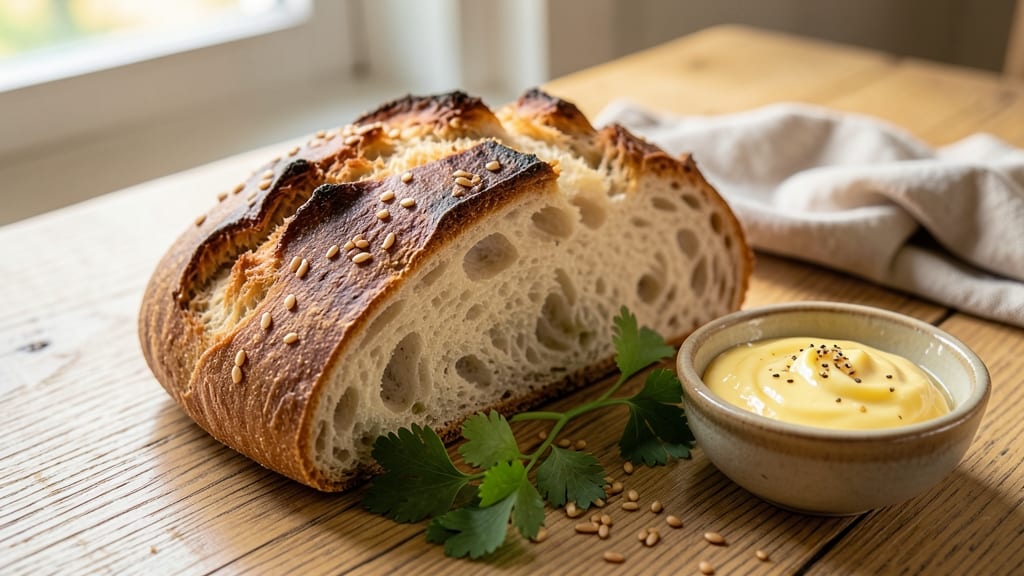
The Agege bread recipe Sisi Jemimah brings the soul of Nigerian celebrations to your kitchen with its signature crusty exterior and soft, airy center. 🔥 This traditional loaf isn't just bread—it's a centerpiece for gatherings, its golden crust cracking open to reveal a tender, pillowy interior that disappears with every bite.
What makes this recipe special is the balance of technique and patience: letting the dough rise slowly creates that signature texture, while the right blend of flour and yeast ensures a loaf that's both sturdy and delicate.
Mastering Sisi Jemimah requires attention to detail, from kneading the dough just enough to develop gluten without overworking it, to shaping it into that iconic round loaf with a slightly flattened top.
The baking process is where the magic happens—high heat creates the crispy crust, while steam from the oven keeps the center light and fluffy. This isn't just bread; it's a labor of love that transforms simple ingredients into something extraordinary.
Once baked, the aroma of freshly made Agege bread fills your home, a scent that instantly transports you to Nigerian celebrations. The crust should be golden and crisp enough to hold its shape, while the interior remains soft and slightly chewy.
Served warm with soup or stew, it's the perfect vessel for soaking up every last drop of flavor. This recipe delivers restaurant-quality results with a touch of homemade authenticity.
Whether you're preparing for a family feast or simply craving a taste of home, this Agege bread recipe will become your new tradition. The process is straightforward but requires patience—worth every moment for the reward of a loaf that tastes like celebration.
Let's get started on creating your own Sisi Jemimah masterpiece.
Ingredients for agege bread recipe sisi jemimah
Nine simple ingredients transform into a loaf that tastes like Nigerian celebrations.
| Ingredient | Amount | Notes |
|---|---|---|
| All-Purpose Flour 🌾 | 4 cups | Plus 2 tbsp for dusting |
| Active Dry Yeast 🍞 | ¼ oz | Or 2 packets instant yeast |
| Granulated Sugar 🍚 | 1 tbsp | For yeast activation |
| Warm Water 💧 | 1 cup | 110°F (43°C) ideal |
| Unsalted Butter 🧈 | ½ cup | Softened, room temperature |
| Large Egg 🥚 | 1 whole | Room temperature |
| Salt 🧂 | 1 tsp | Diamond Crystal preferred |
| Milk 🥛 | ¼ cup | Warm, for dough tenderness |
| Vegetable Oil 🫒 | 1 tbsp | For greasing bowl |
The flour is non-negotiable—King Arthur or Gold Medal work best for that signature texture. Grab active dry yeast from the baking aisle, not the instant kind unless you're swapping. Warm water is key: too hot kills yeast, too cold won't activate. I always check the butter temperature—softened means you can press a fingerprint that stays. The egg should be room temperature too, or the dough gets tough. For the milk, warm it just enough to dissolve sugar if you're using it in the dough (some recipes skip this).
No instant yeast? Double the active dry yeast—just let it proof longer. Butter too hard to soften? Microwave 10 seconds to melt slightly, then mix. Out of milk? Warm water plus 1 tsp powdered milk works in a pinch. The salt is crucial—Diamond Crystal dissolves better than table salt. For a richer loaf, swap half the milk for heavy cream. And if your flour bin is empty, whole wheat flour at 20% replacement adds depth (but reduces rise).
Store flour in an airtight container to keep bugs out. Yeast lasts 3 months in the fridge, butter 6 months in the freezer. Shape the dough into a round loaf with a slightly flattened top—that's the Sisi Jemimah signature. Keep baked bread in a paper bag at room temp for 2 days, or freeze slices for 3 months. The aroma alone makes it worth it.
Why You'll Love This Recipe
- No-Knead Nightmare Solved: I swear by this dough—just mix flour, yeast, and warm water, let it rise overnight, and boom. No standing at the counter, no sticky hands, just pure hands-off magic while I sleep.
- Buttery Soft Crunch: That warm butter folded into the dough? It’s the secret. The outside gets this golden, crackly crust while the inside stays pillowy—like biting into a hug from your favorite baker.
- Breakfast to Snack: Honestly, this bread is my lazy morning win. Toast it for breakfast, tear it for sandwiches, or freeze slices to fry later. It’s the one loaf that does it all without trying too hard.
- Pantry Goldmine: Five ingredients, zero specialty items. You’re probably already staring at these in your cupboard right now. And because it keeps well? I bake two loaves, freeze one, and never stress about stale bread again.
Step-by-step instructions for Agege bread recipe Sisi Jemimah
Here's how to make this iconic Nigerian loaf with a crispy crust and soft center.
👨🍳 Step 1: Activate the Yeast and Mix the Dough
In a small bowl, combine the 1 cup warm water (about 110°F) with the 1 tbsp granulated sugar and 0.25 oz active dry yeast. Let it sit for 5-10 minutes until frothy—this means your yeast is alive and ready to work. If it doesn't bubble, your yeast might be dead, and you'll need to start over.
In a large mixing bowl, combine the 4 cups all-purpose flour, 1 tsp salt, and the yeast mixture. Use a wooden spoon to stir until a shaggy dough forms. Then add the 0.5 cup softened butter, 1 whole large egg, and 0.25 cup warm milk. Mix until everything comes together—you might need to use your hands for this part.
👨🍳 Step 2: Knead Until Smooth and Elastic
Lightly flour a clean surface and turn out the dough. Knead for 8-10 minutes until the dough becomes smooth, elastic, and springs back when poked. This is where the magic happens—the kneading develops gluten, which gives Agege bread its signature texture.
Here's the thing—don't rush this step. If the dough feels sticky, add just a little more flour, but don't go overboard or your bread will be dense. You'll know you're done when the dough is silky smooth and doesn't stick to your hands or the surface.
🥘 Step 3: First Rise (Let It Bloom)
Lightly grease a large bowl with 1 tbsp vegetable oil. Place the dough in the bowl, cover it with a damp kitchen towel, and let it rise in a warm place for 1-2 hours or until it doubles in size. This is where the yeast does its thing, making the bread light and airy.
I like to place my dough near a slightly warm oven with the light on—this creates a cozy environment that speeds up the rising process. Keep an eye on it though; over-rising can lead to a collapsed loaf. When it's ready, it should feel puffy and jiggly when you gently press it.
🔥 Step 4: Shape and Second Rise
Punch down the risen dough to release any air bubbles. Divide it into 4 equal portions (about 1 cup each) and shape each into a smooth, round ball. Place them on a parchment-lined baking sheet, cover with the damp towel, and let them rise again for another 30-45 minutes.
For shaping, I roll each portion into a ball with my hands, making sure the surface is smooth. The second rise is crucial—it gives the bread its final lift and ensures that soft, pillowy center. Don't skip this step, even if it feels like it's taking forever. Patience pays off with this recipe.
🔥 Step 5: Bake to Golden Perfection
Preheat your oven to 375°F. Once the dough has risen again, bake for 25-30 minutes until the tops are deep golden brown and the internal temperature reaches 190°F. You'll know it's done when it sounds hollow when tapped on the bottom.
Here's a pro tip: I like to brush the tops with a little water right before baking—this helps create that beautiful, crispy crust we all love. Let the bread cool on a wire rack for 10 minutes before slicing. This resting time is important; it allows the bread to set properly so it doesn't turn gummy.
Pro Tips For Making Agege Bread Recipe Sisi Jemimah
- Test Yeast Twice: Skip the guesswork—mix a tiny spoon of yeast with warm water and sugar first, then wait 5-10 minutes for frothy bubbles. If nothing happens, toss it and start fresh. I learned this the hard way after baking a flat, dense loaf because my "active" yeast was actually dead.
- Butter at Room Temp: Cold butter creates lumps that won’t melt evenly into the dough, leaving you with greasy patches instead of that signature flaky texture. Let it sit out for 30 minutes before mixing—yes, even if you’re impatient like me.
- Knead Until Silky: The dough should stretch without tearing and spring back slowly (not immediately). Over-kneading dries it out, but under-kneading means weak structure and a crumbly loaf. Work it for about 8-10 minutes by hand—until it’s smooth and slightly tacky.
- Steam the Pan: Before baking, pour a splash of warm water into the pan and swirl it around, then dump it out. This creates steam that helps the bread rise higher and develop that golden, crackly crust. Sounds weird, but it works—my grandmother swore by it, and she was right.
Perfect pairings for this recipe
Soup Pairings
Agege bread shines with rich, hearty Nigerian soups. Try it with Egusi soup—the nutty, melon-seed-based stew with leafy greens and meat. The bread's soft interior soaks up the soup beautifully, while the crust adds satisfying texture.
For a lighter option, pair with Okra soup—its slimy texture contrasts perfectly with the bread's crispy exterior. 🥘
Stew Complements
For meat lovers, Beef stew with tomatoes and peppers is ideal. The tender beef and smoky flavors complement the bread's pillowy center. I also recommend Goat stew—the rich, slightly gamey taste pairs wonderfully with the bread's buttery richness.
Both stews benefit from the bread's ability to absorb flavors without becoming soggy.
Drink Recommendations
Sip on Zobo drink—a hibiscus-based infusion with ginger and cinnamon—for a refreshing contrast to the bread's warmth. For something stronger, Palm wine (freshly tapped) adds an authentic touch. Even a simple mango juice with a pinch of salt enhances the meal's tropical vibe. 🍹
Dessert Pairings
End your meal with Chin Chin—crunchy, deep-fried dough balls that balance the bread's softness. Alternatively, serve with Coconut ice cream to cool the palate after rich soups.
The contrast between the warm bread and cold dessert creates a memorable experience. Save a slice of Agege bread to enjoy with dessert for dipping!
Regional Variations
In Yoruba households, Agege bread is often served with Ewa Riro (peanut stew) and Amala (yarn-like yam pudding). For a Hausa twist, pair with Miyan Kuka (peanut soup) and Tuwo Shinkafa (rice pudding).
Each regional combination offers a unique flavor journey while keeping the bread as the star. 🗺️
Modern Twists
Get creative with avocado toast—mash ripe avocados on warm slices with chili flakes and lemon. For breakfast, try Agege bread French toast with cinnamon and maple syrup. These modern takes keep the bread's essence while appealing to contemporary tastes. The crispy crust adds a delightful crunch to any adaptation!
Nutrition facts
Frequently asked questions about Agege bread
Why does my Agege bread dough feel too sticky?
Sticky dough happens when the gluten isn't fully developed or you've added too much liquid. Try kneading for 2-3 more minutes—the dough should pull away from your hands when ready. If still sticky, add 1 tbsp flour at a time until smooth. Remember, over-flouring makes bread dense, so keep it minimal.
Can I make this bread without an oven?
Yes! For a stovetop version, shape the dough into balls and bake in a heavy pot with a tight lid over medium-low heat for 45-60 minutes. The steam creates a similar texture, though the crust won't be as crispy. Alternatively, use a cast-iron skillet on the grill for a smoky flavor.
What's the secret to the perfect crust?
The golden crust comes from high heat and steam. Preheat your oven to 375°F and place a tray of boiling water on the bottom rack. Brush the dough with water before baking—this creates steam for that signature crackly exterior. Bake until deep golden brown for maximum crunch.
How do I store leftover Agege bread?
Keep it fresh by storing in a paper bag at room temperature for 2-3 days. For longer storage, slice and freeze—it reheats beautifully in a 350°F oven for 5-10 minutes. To revive stale bread, wrap in foil and warm in the oven for 10 minutes to restore softness.
Can I use whole wheat flour instead?
Yes, but replace only 20% of the all-purpose flour to maintain texture. Whole wheat adds nuttiness but reduces rise time—let the dough proof for 15-20 minutes longer. For best results, use King Arthur whole wheat flour, which has better gluten structure than store brands.