
Side Dishes
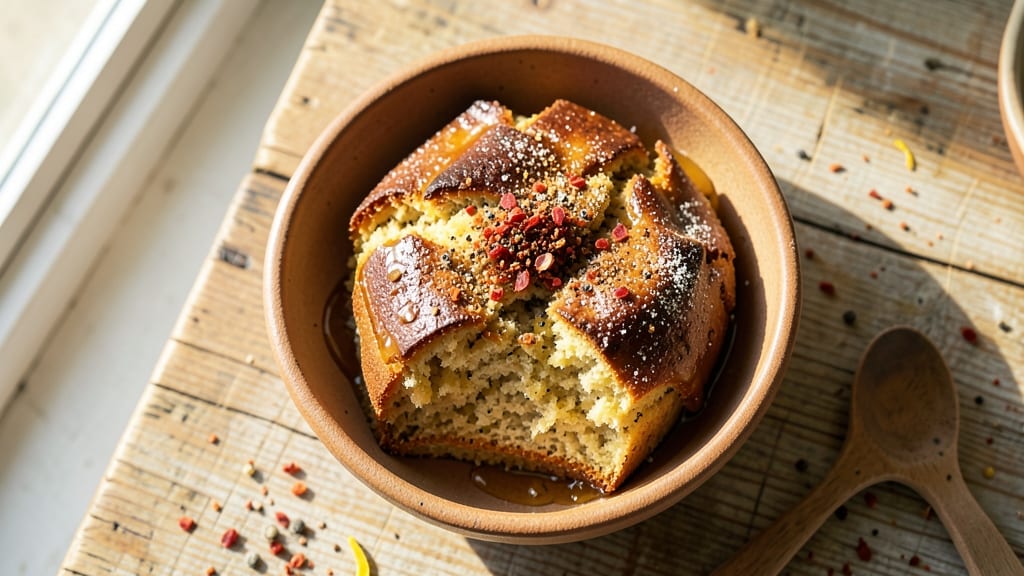
This African corn bread recipe transforms simple pantry staples into a fragrant, slightly sweet loaf with a signature peanut butter swirl. The secret lies in balancing cornmeal’s earthy texture with just the right amount of warmth from cinnamon and nutmeg, creating a tender crumb that’s both comforting and distinctive.
I developed this version after searching for a recipe that honored African culinary traditions while being approachable for home bakers.
The beauty of this recipe is its flexibility—you can adjust the spice blend to suit your taste, whether you prefer a mild sweetness or a bold kick from a pinch of cayenne.
The peanut butter swirl adds richness without overpowering the corn’s natural flavor, while the crust develops a golden, slightly crisp exterior that contrasts perfectly with the moist interior. This bread pairs beautifully with stews, soups, or even as a standalone treat with honey or jam.
What makes this recipe truly special is how it brings African flavors to your table with minimal effort. The dough comes together in under 10 minutes, and the baking process is straightforward, ensuring you’ll have a warm, aromatic loaf ready in about 30 minutes.
The result is a bread that’s hearty enough to serve as a main but versatile enough to complement any meal. Whether you’re baking for a family gathering or a quiet weeknight dinner, this recipe delivers.
For those looking to add a cultural twist, consider incorporating a small amount of berbere spice into the batter for an Ethiopian-inspired flavor profile. The key is to let the bread cool slightly before slicing—this ensures clean cuts and preserves that perfect texture. Let’s get baking!
Ingredients for african corn bread
Pantry staples meet African spices for a bread that’s both comforting and distinctive.
| Ingredient | Amount | Notes |
|---|---|---|
| Cornmeal 🌽 | 2 cups | Fine grind for tender crumb |
| All-Purpose Flour 🌾 | 1 cup | Sifted for light texture |
| Granulated Sugar 🍚 | ½ cup | Light brown sugar adds depth |
| Baking Powder 🧂 | 2 tsp | Aluminum-free preferred |
| Salt 🧂 | ½ tsp | Kosher or sea salt |
| Ground Cinnamon 🌿 | 1 tsp | Freshly ground preferred |
| Ground Nutmeg 🌿 | ½ tsp | Freshly grated nutmeg |
| Cayenne Pepper 🌶️ | ¼ tsp | Adjust to taste for heat |
| Peanut Butter 🥜 | ½ cup | Natural, unsweetened preferred |
| Milk 🥛 | 1 ¼ cups | Whole milk for richness |
| Egg 🥚 | 1 whole | Room temperature for mixing |
| Butter 🧈 | ½ cup | Melted, unsalted butter |
| Vanilla Extract 🍯 | 1 tsp | Pure vanilla extract |
| Berbere Spice 🌶️ | 1 tsp | Optional for Ethiopian depth |
The cornmeal is non-negotiable here—Bob’s Red Mill fine grind is my go-to for that perfect tender crumb. If you can’t find it, King Arthur works too. For the peanut butter, natural, unsweetened is key—it adds richness without sweetness that can overpower the corn’s earthy flavor. The spices? Penzeys or local African markets often carry berbere spice, but if you can’t find it, a mix of paprika, cayenne, and coriander works. Freshly ground nutmeg and cinnamon make all the difference (don’t use pre-ground from the canister—it’s dust).
No peanut butter? Almond butter or tahini add a similar richness, though the flavor will shift slightly. Short on milk? Coconut milk or buttermilk both work, but the texture will be slightly different. The berbere spice is optional but worth hunting down—it’s what gives this bread that authentic African touch. If you can’t find it, Trader Joe’s Ethiopian spice blend is a great substitute. The egg and butter are standard, but if you’re avoiding dairy, vegan butter and flax eggs (1 tbsp ground flax + 3 tbsp water) work perfectly—just don’t expect the same rich flavor.
This dough keeps in the fridge for 3 days if covered tightly, though it’s best fresh. The baked loaf stays moist for 2 days if wrapped in foil—slice and toast to revive. For the peanut butter swirl, microwave the peanut butter 20 seconds first to make it easier to mix. Freezes beautifully for 3 months—just thaw at room temperature before slicing. I always make a double batch because this bread disappears fast, especially when paired with honey or jam.
Why You'll Love This Recipe
- No Mixer Needed: I swear by this recipe when my hands are full—just stir the cornmeal, flour, sugar, and baking powder with a fork until it’s almost combined. The dough’s thick but forgiving, and no one’s judging if you use a butter knife. Honestly, I’ve made it in a bowl on the stove while chatting with my neighbor.
- Sweet-Savory Magic: That little pinch of sugar in the batter? It’s the secret. The cornmeal gives it a nutty crunch, while the baking powder keeps it light—like a cross between a muffin and a quick bread. Toast it with butter, and suddenly, breakfast feels like a treat. (Yes, even on a Tuesday night.)
- Breakfast or Snack: This bread is my go-to when I need something fast but filling. Serve it warm with jam for breakfast, or cut into squares for a sweet afternoon pick-me-up. Between us, the leftovers last forever—I’ve reheated slices in the toaster for days.
- Pantry Staple Power: Cornmeal, flour, sugar, baking powder, salt—these are things I already have. No fancy ingredients, no last-minute grocery runs. And if I make a double batch? I freeze half for when I’m too tired to bake. Not the prettiest, but the taste makes up for it every time.
Step-by-step instructions for African corn bread with peanut butter swirl
Here's how to bake this rich, spiced corn bread with a decadent peanut swirl—just like Ethiopian cafés serve.
Prepare the Dry Ingredients
In a large mixing bowl, whisk together the 2 cups cornmeal and 1 cup all-purpose flour. Sift in the 2 teaspoons baking powder, 0.5 teaspoon salt, 1 teaspoon ground cinnamon, 0.5 teaspoon ground nutmeg, 0.25 teaspoon cayenne pepper, and 1 teaspoon berbere spice. Mix until completely combined—you should see no more flour streaks. This ensures even distribution of leavening and spices throughout the batter.
I like to press the spices through a fine-mesh sieve to break up any clumps, especially the nutmeg and berbere. The berbere adds that signature Ethiopian depth—don't skip this if you want authentic flavor. Set the dry mixture aside for now while you prepare the wet ingredients.
Mix Wet Ingredients and Create the Peanut Swirl
In a separate bowl, melt the 0.5 cup butter over low heat until completely liquid. Let it cool slightly, then stir in the 0.5 cup peanut butter, 0.5 cup granulated sugar, 1 teaspoon vanilla extract, 1 whole egg, and 1.25 cups milk. Whisk until smooth and fully combined—this creates the rich peanut base that will swirl through the bread.
Here's the magic: While the peanut mixture is still in its bowl, take 2 tablespoons of this peanut mixture and set it aside. This will be your swirl. Pour the remaining peanut mixture into the bowl with the dry ingredients and gently fold everything together using a rubber spatula—just until combined. The batter will be thick, almost like pancake batter, which is exactly what we want.
Prepare the Pan and Assemble the Batter
Preheat your oven to 375°F. Generously grease a 9-inch round cake pan with butter or baking spray—this prevents sticking and helps create that perfect pull-apart texture. Pour about half of the batter into the prepared pan and spread it evenly. Then take the 2 tablespoons of reserved peanut mixture and drop it in the center of the batter.
Using a butter knife, gently swirl the peanut mixture through the batter in a circular motion, creating a marbled effect. This is where the visual magic happens—you want those peanut ribbons to peek through the golden crust. Pour the remaining batter over the swirl and gently tap the pan on the counter a few times to release any air bubbles. This ensures an even rise and those beautiful peanut streaks throughout.
Bake to Golden Perfection
Bake in the preheated oven for 25-30 minutes, until the top is deep golden brown and a toothpick inserted in the center comes out clean. The bread is done when it springs back slightly when pressed—don't overbake or it'll dry out. I usually check at the 22-minute mark because ovens vary, and I want that perfect balance of tender crumb and crispy edges.
Here's the thing—this bread continues cooking for a few minutes after you remove it from the oven. Let it cool in the pan for 5 minutes before transferring to a wire rack. This resting period helps the peanut swirl set properly and prevents it from turning greasy. The aroma alone will make your kitchen smell like a cozy Ethiopian café!
Pro Tips For Making African Corn Bread
- Mix Dry Ingredients First: If you’re tempted to toss everything in the bowl at once, resist. Sift the cornmeal and all-purpose flour together—this prevents lumps and guarantees even baking. I learned this the hard way when my first batch had dense pockets where the batter didn’t rise properly.
- Use Warm Liquid: Cold water or milk will shock the baking powder, making your bread flat. Warm it to about 100°F (just warm to the touch) before mixing—this activates the leavening agent right away. Sounds fussy, but it’s the difference between a dense loaf and one with a light, airy crumb.
- Don’t Overmix the Batter: Once you add the wet ingredients, stir just until combined—about 15 seconds. Overmixing develops gluten, which turns your corn bread into a tough, flour-heavy brick instead of a tender, crumbly loaf. I know, it’s tempting to "get it right," but trust the process.
- Grease That Pan: African corn bread sticks like glue if you skip this. Use about 2 tablespoons of oil or melted butter, then wipe the excess with a paper towel—just enough to coat the bottom and sides. (Yes, even if you’re using a nonstick pan.) The crust will pull away cleanly, and you won’t lose half your loaf to the baking dish.
Make-ahead tips for this recipe
Prep Ahead Dough
Mix the dry ingredients and wet ingredients separately, then combine just before baking—this keeps the cornmeal from absorbing too much moisture and turning gummy. Store the combined batter in an airtight container in the fridge for up to 3 days.
When ready to bake, simply pour into a greased pan and follow the baking instructions. I like to prep the dough the night before so it’s ready for a quick morning bake. 🌾
Freeze for Later
This bread freezes beautifully for up to 3 months—just bake it straight from frozen without thawing. Increase baking time by 5-7 minutes and tent with foil if the top browns too quickly.
To use, remove the pan from the freezer while the oven preheats. The center will still reach 190°F with the extra time. Label your freezer bags with the date to track freshness. ❄️
Peanut Swirl Prep
Microwave the ½ cup peanut butter for 20 seconds before mixing to soften it slightly—this makes it easier to swirl and blend smoothly. Store the peanut butter in a small jar in the fridge for up to 1 week if you plan to make multiple batches.
For extra convenience, pre-mix the peanut butter with the sugar and vanilla in a separate container. This shortcut saves time when assembling the batter. 🥜
Revive Stale Bread
If your bread loses moisture after 2 days, revive it by wrapping slices in a damp paper towel and microwaving for 10-15 seconds. For a crispier texture, toast slices in a 350°F oven for 3-5 minutes until golden.
I often make a double batch and freeze half—this ensures I always have fresh bread on hand. The peanut swirl stays rich even after reheating. 🔥
Double Batch Hack
Make two loaves at once by dividing the batter evenly between two 9-inch pans. Bake both simultaneously for 25-30 minutes—this is perfect for gatherings or meal prep. Store the second loaf in the freezer for later.
The double batch also works well for sandwiches or as a side for stews. Just double-check your oven has enough space for both pans. 🍞
Storage Containers
Use glass containers with tight-sealing lids to store baked bread—plastic can trap moisture and make the bread soggy. I recommend Pyrex or CorningWare for both fridge and freezer storage. For the dough, a silicone loaf pan liner makes removal easy and keeps the batter from sticking.
Label everything with the date to track freshness. Proper storage ensures your bread stays moist and flavorful. 📅
Nutrition facts
Frequently asked questions
Can I make this African corn bread without peanut butter?
Swap the peanut butter for ½ cup almond butter or ¼ cup tahini mixed with ¼ cup honey for a nut-free version. For a savory twist, try 2 tablespoons olive oil + 1 teaspoon smoked paprika instead. The key is maintaining the same richness—just adjust sweetness to taste.
Why is my African corn bread dense instead of tender?
Overmixing the batter or using old baking powder are common culprits. Sift all dry ingredients first to avoid lumps, and mix just until combined (cornmeal absorbs liquid quickly). Also, ensure your baking powder is fresh—test it by mixing with water to see if it bubbles. For extra tenderness, add 1 tablespoon sour cream or yogurt to the wet ingredients.
What’s the best way to serve this corn bread?
This bread shines with honey drizzle, warm jam, or as a side for stews and soups. For a hearty meal, pair it with grilled chicken or smoked fish. Try serving slices with whipped butter and cinnamon for a breakfast treat. The peanut swirl adds protein, making it great for sandwiches too!
Can I use self-rising flour in this recipe?
No—self-rising flour already contains salt and baking powder, which would over-leaven your bread. Stick to all-purpose flour and measure the 2 tsp baking powder and ½ tsp salt separately. For a shortcut, you could replace 1 cup flour + 2 tsp baking powder with 1 cup cornmeal + 1 tsp baking powder, but the texture will differ slightly.
How do I make this gluten-free?
Replace the 1 cup all-purpose flour with 1 cup gluten-free 1:1 baking flour (like Bob’s Red Mill). Add ½ teaspoon xanthan gum to bind the crumb. For cornmeal, use a certified gluten-free blend. Note the texture will be slightly denser—expect a 5-10 minute longer bake time. Test with a toothpick!