
Desserts
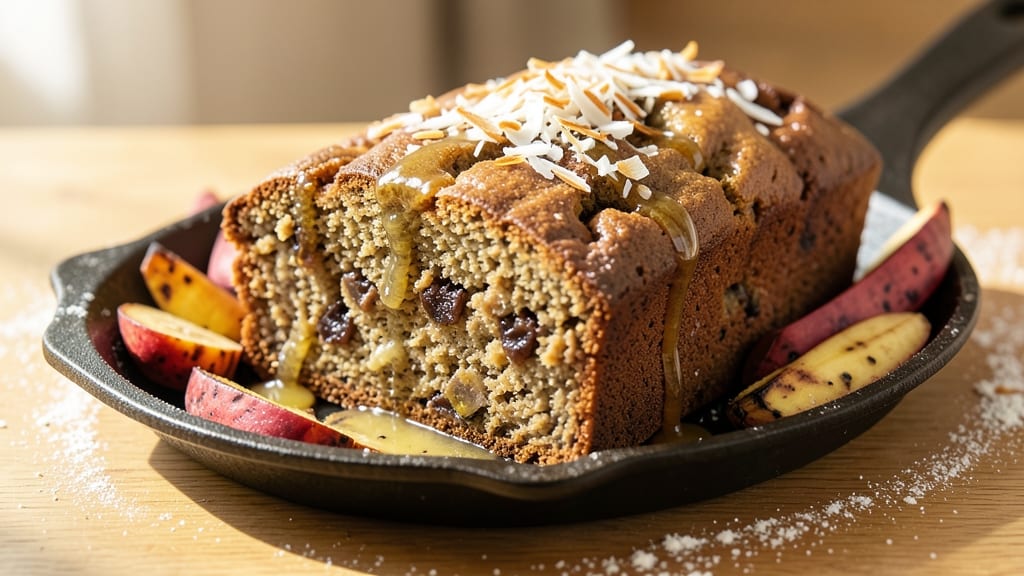
This African banana bread recipe transforms ripe plantains into a moist, slightly dense loaf with warm cinnamon and nutmeg notes that taste like a tropical hug. 🌟 The secret lies in blending plantains with traditional bananas for a caramelized sweetness that keeps the crumb tender for days.
I developed this version after discovering how West African bakers use plantains to add depth—no one will guess it's not your grandma's recipe.
The recipe combines the best of both worlds: the natural sweetness of plantains (which caramelize beautifully) with the familiar texture of banana bread. A touch of coconut oil keeps it rich without drying out, while spices like cardamom add an unexpected warmth that pairs perfectly with the fruit.
Unlike standard banana bread, this version holds its moisture for 5-7 days when stored properly.
What you’ll end up with is a loaf that’s densely satisfying—not too sweet, with a subtle spice complexity that makes it perfect for breakfast or dessert.
The plantains give it a deeper flavor than regular banana bread, while the cinnamon-nutmeg blend creates that cozy, comforting aroma that fills your kitchen. It’s the kind of bread that disappears quickly, whether sliced warm with butter or packed for lunch.
For extra indulgence, brush the top with a honey glaze before baking—it adds a glossy finish and enhances the caramelized plantain flavor. This recipe delivers restaurant-quality results at home, with just 10 minutes of prep and 50 minutes in the oven. Let’s bake this tropical twist on a classic.
Ingredients for african banana bread
Plantains and bananas create this tropical twist on classic banana bread—moist, spiced, and packed with caramelized depth.
| Ingredient | Amount | Notes |
|---|---|---|
| Ripe Plantains 🍌 | 2 cups | Peeled and mashed for texture |
| Ripe Bananas 🍌 | 2 large | Peeled and mashed for sweetness |
| All-Purpose Flour 🌾 | 3 cups | Sifted for even texture |
| Granulated Sugar 🍚 | 1 cup | Brown sugar adds depth |
| Coconut Oil 🫒 | ½ cup | Melted for moisture |
| Large Eggs 🥚 | 2 whole | Room temperature for mixing |
| Vanilla Extract 🌿 | 1 tbsp | Pure Madagascar preferred |
| Baking Soda 🧂 | 1 tsp | Diamond Crystal preferred |
| Ground Cinnamon 🌶️ | 2 tsp | Freshly ground preferred |
| Ground Nutmeg 🌶️ | ½ tsp | Freshly grated for warmth |
| Ground Cardamom 🌿 | ½ tsp | Freshly ground for complexity |
| Salt 🧂 | ½ tsp | Fine sea salt preferred |
| Honey 🍯 | ¼ cup | For glaze, raw preferred |
The plantains are the star here. Look for yellow with black spots—that's perfect ripeness. Trader Joe's and Latin markets often carry them fresh, but most grocery stores stock them too. If you can't find ripe ones, bake them until soft before mashing. The bananas should be spotty too—they add sweetness without overpowering. For the spices, Penzeys or bulk bins at natural food stores carry the best quality. Cardamom is key—it's what gives this bread that warm, slightly exotic flavor. If you can't find ground cardamom, lightly toast whole seeds and grind them fresh for maximum impact.
No plantains? Double the bananas and add 1 tbsp of molasses for depth. Short on cardamom? Allspice at half the amount works in a pinch. The coconut oil can be swapped for melted butter (trust me on the full-fat version), though it'll have a slightly different texture. For the honey glaze, agave nectar is a great vegan alternative. The baking soda is non-negotiable—it's what creates that light, airy crumb despite the dense plantains. If you're using a different brand of baking soda (like Aluminum-free), reduce to 3/4 tsp to avoid over-rising.
This loaf keeps beautifully—5-7 days at room temperature wrapped in foil, or up to 1 week refrigerated. For longer storage, freeze slices between parchment paper for up to 3 months. The plantains caramelize further when reheated, so toast slices in a dry pan for extra flavor. I always make two loaves—one for the week and one to freeze. The glaze sets quickly, so brush it on just before baking for that glossy finish. Store any leftover glaze in a small jar for drizzling over yogurt or oatmeal.
Why You'll Love This Recipe
- No Mash Needed: I swear by this trick—just slice those ripe plantains and bananas, toss them in the bowl whole. The coconut oil melts into the flour mix while the oven does its work, so you’re not standing there stirring pulp for 10 minutes.
- Sweet-Savory Magic: That caramelized plantain edge? Chef’s kiss. The sugar and coconut oil deepen into a rich, almost buttery crunch, while the bananas keep it moist and naturally sweet—no artificial flavors here, just pure tropical comfort.
- Breakfast or Dessert: Honestly, I make this for brunch when I’m lazy, but it’s also the star of my Sunday dessert table. Toast a slice with butter or serve it warm with vanilla ice cream—no judgment here, just flexibility.
- Pantry Staple Win: Between us, this bread lasts forever in the fridge, and the ingredients? You’re probably already using them. A loaf costs me pennies compared to store-bought, and I’ve never had leftovers go to waste.
Step-by-step instructions for African banana bread
Here's how to create a loaf with rich plantain depth and a perfectly moist crumb.
👨🍳 Step 1: Mash the Tropical Base
Peel the 2 cups ripe plantains and 2 large ripe bananas, then place them in a mixing bowl. I use a potato masher for this step—it creates a chunky texture that holds moisture better than a blender. You want the mixture to be smooth but with some small plantain pieces visible, about ¼-inch in size. The plantains should be very ripe, with brown speckles on the peel, for that caramelized sweetness.
In a separate small saucepan, gently warm the 0.5 cup coconut oil over low heat until just melted—don't let it get hot enough to smoke. This warm oil will blend more easily with the fruit mixture. Let the plantain-banana mash cool slightly while you prepare the dry ingredients. The goal is room-temperature ingredients for even mixing.
👨🍳 Step 2: Combine Wet and Dry Ingredients
In a large mixing bowl, whisk together the 3 cups all-purpose flour, 1 cup granulated sugar, 1 tsp baking soda, 2 tsp ground cinnamon, 0.5 tsp ground nutmeg, 0.5 tsp ground cardamom, and 0.5 tsp salt. I always sift the flour first to prevent lumps—this ensures a lighter texture. Make a well in the center and pour in the warm coconut oil, the mashed plantain-banana mixture, and the 2 whole large eggs.
Add the 1 tbsp vanilla extract and mix with a wooden spoon or silicone spatula until just combined. You'll see some dry flour pockets, but don't overmix—this develops gluten and makes the bread dense. The batter should be thick but pourable, with visible plantain chunks throughout. If it seems too thick, add 1 tablespoon of water at a time until it reaches a smooth, spreadable consistency.
🔥 Step 3: Bake for Perfect Moisture
Preheat your oven to 350°F and grease a 9x5-inch loaf pan thoroughly with coconut oil or butter. Line the bottom with parchment paper for easy removal. Pour the batter into the prepared pan and smooth the top with a spatula. Here's the thing—don't tap the pan to remove air bubbles. Instead, gently run a knife through the batter in a grid pattern to release any trapped air while maintaining those plantain pieces.
Bake for 50-55 minutes until a toothpick inserted in the center comes out clean with just a few moist crumbs clinging to it. The top should be golden brown, but don't overbake—this bread dries out quickly once cooled. I check the color at the 45-minute mark and tent the pan with foil if it's browning too fast. The internal temperature should reach 205-210°F for perfect doneness.
⏰ Step 4: Glaze and Rest for Maximum Moisture
While the bread is still warm, prepare the honey glaze by heating the 0.25 cup honey in a small saucepan over low heat until it becomes slightly runny, about 2 minutes. Immediately pour this over the hot bread, letting it soak in for 1 minute. The residual heat will help the glaze penetrate, creating that signature moist crumb. Any excess honey can be brushed off after.
Let the bread cool in the pan for 10 minutes before transferring to a wire rack. This resting period allows the moisture to redistribute evenly. I know it's tempting to slice immediately, but waiting prevents a gummy texture. For the best results, serve slices at room temperature—this is when the plantain sweetness truly shines.
Pro Tips For Making African Banana Bread
- Mash Plantains Properly: Use a fork first to break up the flesh, then press through a medium-holed strainer or sieve to remove excess liquid—this keeps your bread dense and moist, not soggy. I learned this the hard way after dealing with a gummy loaf from over-mashing.
- Sweat Plantains First: Sauté sliced plantains in coconut oil over medium heat for 5–7 minutes until they soften and caramelize slightly—this deepens their flavor and reduces moisture in the batter. Skip this, and your bread might taste raw and watery.
- Measure Flour Right: Spoon flour into the measuring cup and level it off with a knife; don’t scoop directly from the bag, or you’ll pack it too tightly and end up with a dry, crumbly loaf. Trust me, your bread will thank you.
- Bake at 350°F, Not Higher: African banana bread is delicate—baking at 350°F (175°C) ensures even cooking without burning the outside while the center stays tender. I was skeptical until I tried it; higher heat makes it tough.
Regional styles of this african banana bread
West African Twist
In West Africa, plantains are a staple ingredient, and this banana bread draws inspiration from their traditional use in sweet dishes. The combination of plantains and bananas creates a unique caramelized sweetness that's common in Nigerian and Ghanaian baking.
Many West African recipes use plantains in place of bananas for a denser, more flavorful texture. This version keeps that rich plantain depth while adding warm spices like cardamom, which is often used in African desserts for its aromatic qualities. 🌶️
East African Spice Blend
East African cuisine often incorporates bold spices that elevate simple ingredients. Here, I've included a blend of cinnamon, nutmeg, and cardamom to mimic the warm, aromatic flavors you'd find in dishes like Ugandan banana fritters.
The nutmeg adds a subtle earthiness, while the cardamom brings a floral note that pairs beautifully with the tropical plantains. This spice combination is a nod to the East African tradition of using spices to enhance the natural sweetness of fruits.
Southern African Honey Glaze
Southern Africa has a long tradition of using honey in both sweet and savory dishes, and this glaze is inspired by that practice. The honey not only adds sweetness but also creates a glossy finish that makes the bread look and taste even more indulgent.
In many Southern African cultures, honey is considered a precious ingredient, often used in ceremonial foods. Here, it serves as a simple yet effective way to enhance the plantain's natural caramelization and tie the flavors together.
Caribbean Fusion Style
While rooted in African traditions, this recipe also nods to Caribbean influences where plantains are widely used. The Caribbean version often includes coconut, which we've incorporated through the coconut oil. This fusion creates a tropical flavor profile that's both familiar and exciting.
The combination of plantains, coconut, and warm spices reflects the Caribbean's love for bold, flavorful desserts that are both comforting and vibrant. It's a celebration of how African ingredients have been adapted and cherished across different cultures.
Modern African Bakery Style
Today's African bakeries often blend traditional ingredients with modern techniques to create innovative desserts. This recipe is a perfect example of that fusion, using classic African ingredients like plantains and cardamom in a familiar bread format.
The result is a dessert that feels both nostalgic and fresh, appealing to both traditionalists and those looking for something new. The moist texture and rich flavor make it a standout in both home kitchens and modern cafes across Africa and beyond.
Nutrition facts
Frequently asked questions
Why use plantains instead of regular bananas in this recipe?
Plantains add a deeper, caramelized sweetness that bananas alone can't match. When ripe, they create a slightly denser texture while keeping the bread moist for days. The combination gives this African-inspired version a unique tropical flavor profile that's more complex than traditional banana bread.
Can I substitute coconut oil with butter?
Yes, but use full-fat butter for best results. Melt ½ cup butter instead of coconut oil, and expect a slightly richer flavor. The coconut oil keeps the bread moist longer, but butter works well if you prefer a more classic taste. Just don't overmix after adding it to avoid a tough crumb.
How do I know when the plantains are ripe enough?
Look for plantains with black spots and slightly soft skin—they should yield to gentle pressure. Overripe plantains (completely black) will be too sweet, while underripe ones (green) won't caramelize properly. If you can't find ripe plantains, bake them until soft before mashing.
What's the secret to keeping this bread moist for days?
The honey glaze and coconut oil are key! The glaze locks in moisture, while the oil prevents drying. Store wrapped in foil at room temperature for 5-7 days or refrigerate for 1 week. For extra moisture, slice and toast in a dry pan before serving.
Can I make this gluten-free?
Yes, but results may vary. Replace the 3 cups all-purpose flour with a 1:1 gluten-free baking blend (like Bob's Red Mill) plus 1 tsp xanthan gum. Add 2 tbsp extra liquid (water or milk) to compensate for the different texture. Expect a slightly denser loaf.