
Side Dishes
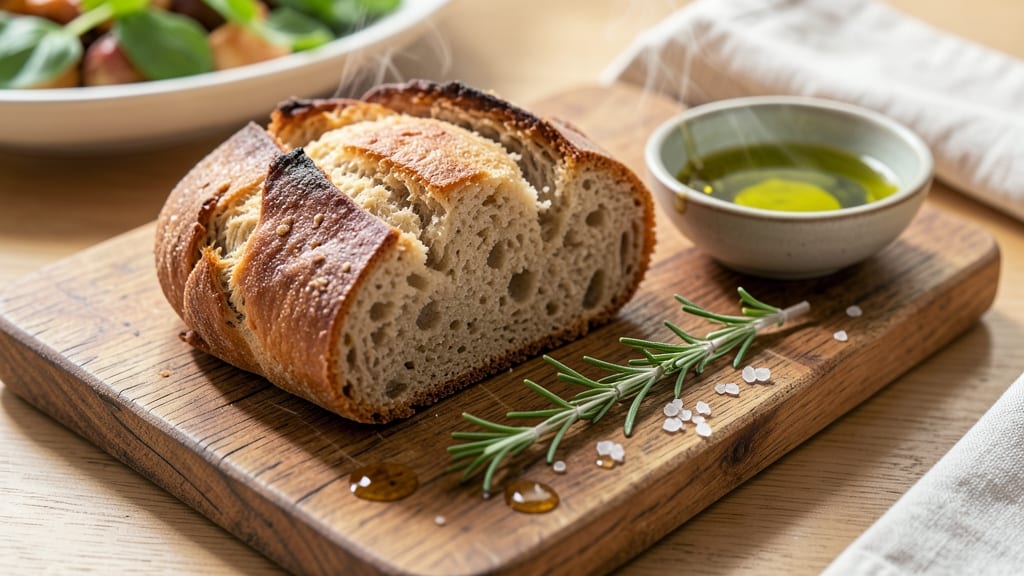
This gluten-free adventure bread delivers the satisfying crunch and hearty texture of traditional bread without the gluten—perfect for those who crave rustic flavor without compromising dietary needs. ✨ My grandmother's Sicilian roots inspired this recipe, where hidden vegetables like finely grated zucchini and carrots add moisture and nutrition while keeping the bread light and airy.
The secret lies in a blend of gluten-free flours that mimics the chewiness of wheat-based bread, ensuring every slice feels substantial and delicious.
The beauty of this recipe is its adaptability—whether you're baking for a family gathering or meal prepping for the week, the foolproof method ensures consistent results. We start with a simple dough that combines gluten-free flour, xanthan gum for structure, and a touch of honey to enhance browning.
The hidden veggies not only boost nutrition but also create a subtle sweetness that balances the bread's savory crust, making it irresistible even to picky eaters.
By the time it emerges from the oven, you’ll have a loaf with a golden, crispy crust and a tender, slightly dense crumb—ideal for sandwiches, toast, or serving alongside soups.
The gluten-free blend ensures it holds up well, while the addition of seeds or nuts (like sunflower or pumpkin) adds extra crunch and texture. This bread proves that gluten-free baking doesn’t mean sacrificing flavor or texture—just a little creativity and the right technique.
Perfect for those with gluten sensitivities or celiac disease, this recipe also works as a versatile side dish or base for open-faced sandwiches. The key to success?
Patience during proofing and baking—gluten-free dough behaves differently, but with these steps, you’ll achieve a loaf that’s as satisfying as it is nutritious. Let’s get baking!
Ingredients for adventure bread recipe gluten free
Gluten-free flour blend, hidden veggies, and a touch of honey—this bread has it all.
| Ingredient | Amount | Notes |
|---|---|---|
| Gluten-Free All-Purpose Flour Blend 🌾 | 3 ½ cups | Bob's Red Mill 1:1 preferred |
| Xanthan Gum 🧂 | ½ tsp | Essential for structure |
| Active Dry Yeast 🍞 | 1 tbsp | Freshly opened package |
| Granulated Sugar 🍚 | ¼ cup | For yeast activation |
| Warm Water 💧 | 1 ¼ cups | 110°F for yeast activation |
| Extra-Virgin Olive Oil 🫒 | ½ cup | Plus 1 tbsp for dough |
| Grated Zucchini 🥒 | 1 cup | Finely grated, no liquid |
| Grated Carrot 🥕 | ½ cup | Finely grated, no liquid |
| Sunflower Seeds 🌻 | ½ cup | Toasted for extra crunch |
| Pumpkin Seeds 🎃 | ¼ cup | Toasted for extra crunch |
| Honey 🍯 | 1 tbsp | For browning and sweetness |
| Salt 🧂 | 1 ½ tsp | Diamond Crystal preferred |
| Apple Cider Vinegar 🍏 | 1 tbsp | For dough elasticity |
| Egg 🥚 | 1 whole | For binding (optional) |
The gluten-free flour blend is non-negotiable here—Bob's Red Mill 1:1 gives the best texture, but King Arthur works too. Xanthan gum is your secret weapon for structure, so don't skip it. For the yeast, Trader Joe's has the best-priced fresh packets, but check the expiration date—old yeast won't activate properly. The grated zucchini and carrot should be finely grated (no liquid)—use a box grater, not a food processor. The seeds? Toast them first—5 minutes in a dry pan until fragrant—it makes all the difference. If you're avoiding eggs, flax eggs (1 tbsp ground flax + 3 tbsp water) work perfectly.
No gluten-free flour blend? Mix 2 cups rice flour, 1 cup tapioca starch, and 1 cup almond flour—it won't be identical, but it'll work. Short on zucchini? Extra grated carrot or sweet potato adds moisture. The honey can be swapped for maple syrup or agave—just reduce by 1 tsp since it's thicker. Apple cider vinegar is key for that rustic tang, but white vinegar works in a pinch. For extra richness, add 1 tbsp nutritional yeast—it gives a cheesy depth without dairy. And if you're feeling fancy, a sprinkle of everything bagel seasoning on top before baking adds a gourmet touch.
This dough needs time—at least 1 hour of rising in a warm spot. Cover it with a damp towel so it doesn't dry out. The bread keeps well for 4-5 days in an airtight container, but it's best within 2 days for maximum freshness. For longer storage, freeze slices wrapped in parchment—toast straight from frozen. Pro tip: Brush warm slices with melted butter for that classic bread experience. Leftovers? Toast them and freeze for quick breakfasts—game-changer for busy mornings.
Why You'll Love This Recipe
- No-Fuss Mixing: I swear by the yeast-and-water trick—just toss in the flour blend, a pinch of xanthan gum, and let the yeast do the work. No kneading, no fuss, and the dough rises while you make dinner.
- Golden Crust Magic: That sugar in the dough? It caramelizes into a crispy, buttery crust that’s ridiculously satisfying. Honestly, I’ve seen people pause mid-slice just to admire it.
- Weeknight to Picnic: Takes 20 minutes to bake, stays fresh for days, and packs perfectly for lunchboxes or tailgates. My go-to when I need bread that’s actually useful.
- Budget Bread Win: Gluten-free flour blends are pricey, but this recipe stretches them further than store-bought loaves. Plus, the yeast is cheap—so you end up with more slices for less.
Step-by-step instructions for gluten-free adventure bread
Here's how to mix, knead, and bake this hearty gluten-free loaf with veggie power and crunchy seeds.
👨🍳 Step 1: Activate the Yeast and Mix Wet Ingredients
In a small bowl, combine the 1.25 cups warm water (about 110°F), 1 tbsp active dry yeast, and 0.25 cup granulated sugar. Let it sit for 5-10 minutes until frothy—this means your yeast is alive and ready to work. If it doesn't bubble, your yeast might be old, and you'll need to start over.
In a large mixing bowl, whisk together the 0.5 cup extra-virgin olive oil, 1 tbsp honey, 1 tbsp apple cider vinegar, and 1 whole egg. This creates the foundation for your dough, adding moisture and structure. The honey and vinegar work together to create elasticity, while the egg binds everything beautifully.
🥘 Step 2: Combine Dry Ingredients and Grated Veggies
In a separate bowl, sift together the 3.5 cups gluten-free all-purpose flour blend and 0.5 tsp xanthan gum. This step ensures even distribution of the xanthan gum, which is crucial for the bread's structure. Add the 1.5 tsp salt and mix well.
Grate the 1 cup zucchini and 0.5 cup carrot using a box grater or food processor. Squeeze out any excess moisture with a clean kitchen towel—you want the veggies to add moisture, not liquid. Toast the 0.5 cup sunflower seeds and 0.25 cup pumpkin seeds in a dry skillet over medium heat for 3-4 minutes until fragrant and lightly golden. Let them cool before adding to your dough.
🍳 Step 3: Mix and Knead the Dough
Add the dry flour mixture and grated veggies to the wet ingredients. Mix with a wooden spoon until combined, then use your hands to work the dough for 5-7 minutes until it comes together into a shaggy mass. The dough will be sticky—this is normal with gluten-free baking. If it feels too wet, add 1-2 tablespoons more of the gluten-free flour blend.
Transfer the dough to a lightly oiled surface and knead for another 3-5 minutes. You're not looking for smoothness here, but you want the ingredients to fully incorporate. The dough should be cohesive and slightly elastic. If it's too crumbly, add 1 tablespoon of warm water to help it bind.
⏰ Step 4: First Rise and Shape the Loaf
Lightly oil a large mixing bowl and place the dough inside. Cover with a damp kitchen towel and let it rise in a warm place for 1-2 hours, or until it has roughly doubled in size. The dough might not rise as dramatically as traditional bread, but it should feel lighter and puffier.
Once risen, punch down the dough gently to release any air bubbles. Shape it into a loaf by folding the edges toward the center and rolling it tightly. Place the loaf seam-side down in a 9x5-inch loaf pan that's been lightly greased with 1 tablespoon extra-virgin olive oil. Cover again and let it rise for another 30-45 minutes until it's just slightly puffy.
🔥 Step 5: Bake to Golden Perfection
Preheat your oven to 375°F. Bake the loaf for 40-45 minutes, or until the top is deep golden brown and the internal temperature reaches 205°F when measured with an instant-read thermometer. If the top browns too quickly, tent the loaf with foil to prevent over-browning.
Remove the bread from the oven and let it cool in the pan for 10 minutes, then transfer it to a wire rack to cool completely. The bread will firm up as it cools, and the seeds will crisp up beautifully. Slice while still slightly warm for the best texture—this bread is best enjoyed fresh from the oven, with a crisp exterior and a soft, veggie-infused crumb.
Pro Tips For Making Adventure Bread Recipe Gluten Free
- Bloom the Yeast First: Skip the guesswork—proof your yeast in warm water with a pinch of sugar (not the recipe’s sugar) for 5-10 minutes until frothy. If it doesn’t bubble, your bread’s rise will be weak, and you’ll end up with a dense brick instead of airy loaves. I learned this the hard way after baking three flat, sad loaves.
- Measure Xanthan Gum Precisely: Use a scale for the xanthan gum—1/4 teaspoon is not an eyeball estimate. Too much makes your dough gummy; too little leaves it crumbly. My gluten-free flour blend calls for 1/4 tsp per cup, but I’ve ruined batches by eyeballing it. Weigh it out like you would salt.
- Don’t Over-Knead the Dough: Gluten-free dough behaves differently—it doesn’t need the same handling as wheat. Mix just until combined, then let the mixer do the work for 2-3 minutes. Overworking it turns the texture gluey, and your bread will taste like flour instead of bread. (Yes, even if it looks under-mixed.)
- Use a Dutch Oven Lid for Steam: If you don’t have a bakery-style steamer, invert your Dutch oven lid on the rack during the first 10 minutes of baking. The trapped steam gives that crackly crust without extra effort. I was skeptical until I tried it—now it’s non-negotiable for crispy results.
Perfect pairings for this recipe
Savory Spreads
This bread pairs beautifully with rich, savory spreads that complement its subtle sweetness and crunchy seeds. I love spreading whipped goat cheese mixed with 1 tbsp honey and a pinch of freshly cracked black pepper.
The tanginess of the goat cheese balances the bread’s natural sweetness, while the pepper adds a subtle kick. For extra flavor, try hummus with roasted garlic—the creamy texture contrasts perfectly with the bread’s crust. 🥖
Sweet Toppings
Don’t underestimate the power of sweet toppings to elevate this bread! A thin layer of almond butter followed by a drizzle of local honey creates a delightful contrast. For a more indulgent treat, spread dark chocolate hazelnut spread (like Nutella) and top with sliced bananas or strawberries.
The crunch of the seeds adds texture that makes every bite exciting. 🍯
Cheese Pairings
This gluten-free bread is a fantastic vehicle for bold cheeses. Try aged pecorino romano shaved over the top—its sharp, salty flavor cuts through the bread’s slight sweetness. For a milder option, brie or camembert melts beautifully when warmed, creating a creamy, luxurious bite.
I also love pairing it with smoked gouda for a smoky, savory twist that pairs wonderfully with charcuterie boards. 🧀
Drink Pairings
For a refreshing contrast, serve this bread with iced herbal teas like mint or chamomile—both complement the bread’s subtle sweetness without overpowering it. If you prefer coffee, a light roast with a splash of oat milk enhances the bread’s nutty seeds.
For something stronger, a dry Riesling or sparkling rosé brings out the bread’s crisp texture and hidden veggie notes. 🍷
Breakfast Boosts
Turn this bread into a hearty breakfast by topping it with scrambled eggs and a sprinkle of fresh herbs like thyme or rosemary. The seeds add a satisfying crunch, while the eggs provide protein to keep you full.
For a sweeter morning, spread with Greek yogurt and top with sliced almonds and a drizzle of maple syrup. It’s a perfect way to start the day with a gluten-free, nutrient-packed meal. 🍳
Nutrition facts
Frequently asked questions
Why does this gluten-free bread need xanthan gum?
Xanthan gum acts as a binder and gives gluten-free bread that chewy texture we love in regular bread. Without it, your loaf might crumble or fall apart. The 0.5 tsp in this recipe mimics gluten's elasticity, helping the dough hold together during mixing and baking.
Can I make this bread without seeds?
The seeds add crunch and nutrition, but they're optional. If you prefer a smoother texture, simply omit them or replace with 1 tbsp chopped walnuts or toasted sesame seeds. The bread will still be delicious—just less crunchy.
Why does my gluten-free dough look different from regular dough?
Gluten-free dough is naturally stickier and less elastic because it lacks gluten's natural stretch. That's why this recipe uses apple cider vinegar and olive oil—they help create structure. Don't worry if it doesn't look like traditional dough—it'll still bake into a great loaf!
How do I store this bread to keep it fresh?
Wrap cooled slices in parchment paper and store in an airtight container at room temperature for 4-5 days. For longer storage, freeze slices for up to 3 months. Toast straight from frozen for that fresh-baked taste! The seeds stay crispy when properly stored.
What if my bread turns out dense instead of light?
Dense gluten-free bread often happens from overmixing or insufficient rising time. Make sure your yeast is active (it should bubble in 5-10 minutes with warm water). Also, give the dough at least 1 hour of rising time—gluten-free bread needs patience! If it's still dense, try adding 1 extra tbsp olive oil next time for moisture.