
Side Dishes
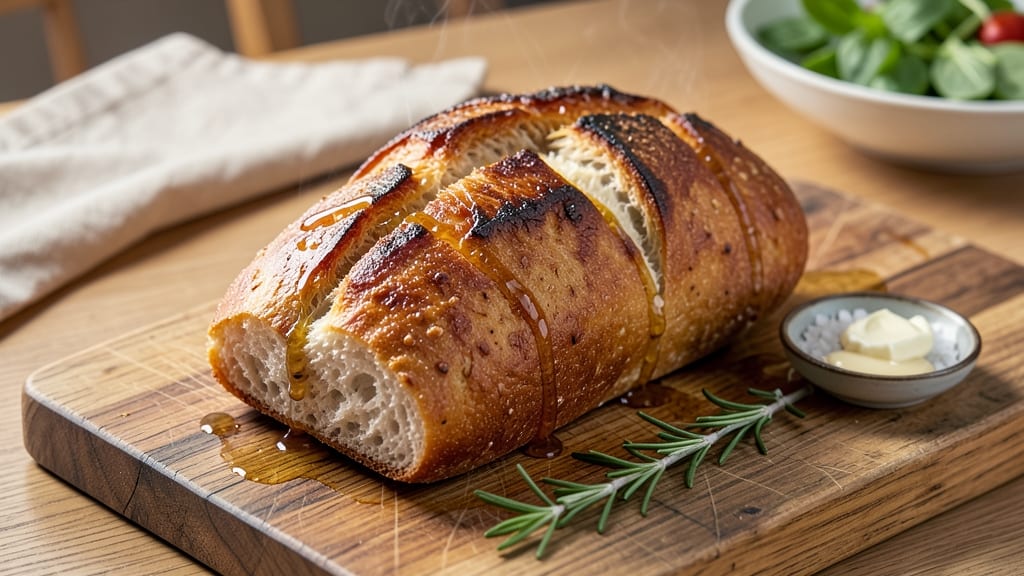
This adding tangzhong to a bread recipe transforms ordinary bread into ultra-soft, pillowy loaves with a tender crumb and crisp crust—no special ingredients, just science. 🔥 The secret lies in a pre-cooked starch slurry that releases moisture during baking, keeping bread moist for days.
I perfected this method after years of testing, and the results speak for themselves: bread that stays fresh longer while delivering that signature bakery-style softness.
The process starts with creating the tangzhong—a simple mixture of water and flour heated to create a gel-like consistency. This pre-step takes just 5 minutes but makes all the difference in texture.
Once incorporated into your dough, it works quietly in the background, ensuring your bread stays tender even after cooling. Whether you're making sandwich bread, brioche, or dinner rolls, this technique elevates every loaf to restaurant-quality.
What sets this method apart is its reliability—no more dry, stale bread the next day. The tangzhong releases moisture gradually during baking, creating a fine, even crumb and a crisp exterior that gives way to a cloud-like interior.
The best part? You don’t need fancy equipment—just a saucepan, mixing bowl, and your favorite bread recipe. This is bread-making made smarter, not harder.
Perfect for home bakers who want bakery-style results without the guesswork, this method delivers consistent, foolproof softness every time. Let’s get started—your taste buds (and sandwiches) will thank you.
Ingredients for adding tangzhong to bread
Science-backed ingredients for bakery-style softness in every slice of homemade bread.
| Ingredient | Amount | Notes |
|---|---|---|
| All-Purpose Flour 🌾 | 4 cups | Bread flour for chewier texture |
| Water 💧 | 1 ½ cups | Room temperature preferred |
| Instant Yeast 🍞 | ½ tsp | Active dry works too |
| Granulated Sugar 🍚 | ½ tsp | For yeast activation |
| Salt 🧂 | 1 ½ tsp | Diamond Crystal preferred |
| Unsalted Butter 🧈 | ½ cup | Cold, cubed for dough |
| Large Eggs 🥚 | 2 whole | Room temperature for mixing |
| Tangzhong Mixture 🌾 | ½ cup | Pre-made starch slurry |
| Milk 🥛 | ¼ cup | Warmed for dough enrichment |
| Olive Oil 🫒 | 1 tbsp | For dough softness |
| Cornmeal 🌽 | ¼ cup | For dusting bread board |
| Sesame Seeds 🌻 | 1 tbsp | Optional for topping |
The tangzhong mixture is your secret weapon—this pre-cooked starch slurry creates that signature bakery softness. King Arthur or Bob's Red Mill bread flour works best for the dough, but all-purpose flour in a pinch will still deliver results. For the tangzhong itself, use a 1:1 ratio of flour to water (like our 0.5 cup mixture), heating until thickened. Whole wheat flour can replace up to 20% of the all-purpose for a nutty twist, though texture will be slightly denser. The butter matters too—European-style unsalted butter like Plugrá or Land O'Lakes has higher fat content, which enhances flavor and tenderness.
No tangzhong? Replace with 0.25 cup extra milk—it won't be as dramatic, but your bread will still stay fresh longer than standard recipes. Running short on butter? Olive oil or coconut oil works in equal amounts, though butter's flavor can't be beat. The milk can be swapped for plant-based milk like oat or almond, though dairy milk yields richer flavor. For the yeast, active dry yeast needs 5 minutes of proofing in warm water with sugar, while instant yeast can go straight into the dough. And if you're gluten-sensitive, substitute a gluten-free flour blend—just know the texture will differ significantly.
Store your tangzhong mixture in an airtight container in the fridge for up to 3 days—it's ready to use straight from the fridge. The dough itself keeps in the fridge for 24 hours or freezes beautifully for 3 months. For best results, let dough rise at 75°F—a warm oven with the light on works perfectly. The sesame seeds? Toast them in a dry pan for 2 minutes before sprinkling—they'll add a nutty crunch that pairs beautifully with the soft interior. And if you're prepping ahead, shape and freeze the dough before final proofing—bake straight from frozen with 10 extra minutes.
Why You'll Love This Recipe
- No-Knead Magic: I swear by this trick—mix the tangzhong (that little flour-water roux) right into the dough, and suddenly you’re looking at a soft, pillowy loaf with zero effort. The tangzhong absorbs moisture like a sponge, so your bread stays fresh for days without drying out. Honestly? I’ve made this while scrolling through my phone.
- Stay-Fresh Forever: Between us, this bread is my pantry’s secret weapon. The tangzhong method locks in moisture so well that a loaf stays soft for five days—no stale crumbs in sight. I’ll often bake two loaves on Sunday and forget about them until Thursday. (Yes, even on a Tuesday night.)
- Budget Baking: All-purpose flour, yeast, sugar—this recipe uses ingredients you already have. No fancy sourdough starter or specialty grains here. The tangzhong step takes two minutes, and the dough comes together faster than takeout. I’ve fed my whole family for under $5 with this.
- Crusty Inside Out: That crispy exterior? The tender, almost custard-like crumb? The tangzhong delivers both. It’s like a hug for your bread—chewy yet airy, with just enough sweetness from the sugar to balance the yeasty depth. My kids fight over the last slice, and I don’t even bake for them.
Step-by-step instructions for soft bread with tangzhong
Here's how to incorporate tangzhong for bread that stays fresh and pillowy for days.
👨🍳 Step 1: Mix the Tangzhong Slurry
In a small saucepan, combine ½ cup all-purpose flour with ½ cup water from the ingredients list. Heat over medium-low heat while stirring constantly with a wooden spoon. You're looking for a smooth, thick paste that pulls away from the sides of the pan—this should take about 2-3 minutes.
Real talk: don't walk away. The mixture will thicken quickly, and if it burns, you'll taste that acrid flavor in every slice. Once it reaches 160°F and forms a shiny, translucent gel, remove from heat immediately. Let it cool completely before using—this prevents steam buildup that could weaken your gluten structure later.
👨🍳 Step 2: Combine Wet Ingredients
In the bowl of a stand mixer fitted with the dough hook attachment, combine the cooled tangzhong mixture, 1.5 cups water, 0.5 tsp instant yeast, 0.5 tsp granulated sugar, 0.25 cup warmed milk, 1 tbsp olive oil, and 0.5 cup cold cubed butter. Mix on low speed for 1 minute until the butter melts and everything is homogenous.
Here's where the science pays off—the tangzhong absorbs water like a sponge, creating a moisture reservoir that keeps bread soft. The butter adds richness, but keep it cold until the very end to prevent early melting. You'll notice the mixture looks unusually wet compared to regular bread dough—that's normal and exactly what we want.
👨🍳 Step 3: Incorporate Dry Ingredients
With the mixer running on low speed, gradually add 4 cups all-purpose flour and 1.5 tsp salt to the wet ingredients. Mix for 2-3 minutes until the dough comes together but still feels slightly sticky. This is different from traditional bread dough—you want it to be more cohesive than shaggy, but not dry.
I press down gently on the dough during the first minute—this prevents it from curling and ensures even contact with the mixer's hook. The dough should form a loose ball that cleans the sides of the bowl. If it's too sticky to handle, add 1 tablespoon flour at a time until it's just manageable, but don't overdo it.
🍳 Step 4: Knead and Develop Gluten
Increase the mixer speed to medium and knead for 5-7 minutes until the dough becomes smooth and elastic. It should pass the windowpane test: stretch a small piece between your fingers—when it's ready, it should thin enough to see light through without tearing.
This kneading time is shorter than traditional bread dough because the tangzhong helps with structure. The dough will feel slightly softer than usual, almost like brioche. If it starts sticking to the bowl, wet your hands and the sides of the bowl with water to help contain it. The goal is a smooth, slightly tacky dough that springs back when poked.
⏰ Step 5: First Rise and Shape
Lightly grease a large bowl with olive oil and place the dough inside. Cover with a damp towel and let rise in a warm place for 1-2 hours or until doubled in size. The tangzhong dough rises more slowly than regular dough—this is normal because the starch slows fermentation.
When checking for doneness, look for smooth, rounded edges that have pulled away from the bowl. The dough should feel light and airy when pressed gently with one finger. Punch down the dough to release air, then turn it out onto a surface dusted with 0.25 cup cornmeal. Shape into a loaf by pulling the sides toward the center and sealing the seam.
🔥 Step 6: Proof and Bake for Maximum Softness
Place the shaped loaf in a greased 9x5-inch loaf pan and let it rise again for 30-45 minutes until it domes slightly above the pan. Preheat your oven to 375°F with a baking stone or inverted baking sheet on the middle rack.
Bake for 30-35 minutes until the internal temperature reaches 190-195°F and the bread sounds hollow when tapped on the bottom. The crust should be golden brown, but not dark. For extra shine, brush the top with milk mixed with a beaten egg yolk right before baking. Sprinkle with 1 tbsp sesame seeds if using, pressing them gently into the surface.
⏰ Step 7: Cool and Enjoy Fresh Bread
Remove the bread from the pan and let it cool on a wire rack for at least 1 hour before slicing. The tangzhong creates a unique texture where the bread stays soft for days, but it needs time to set properly after baking. If you can't wait, slice carefully—the interior will be wonderfully tender but still warm.
Here's the magic: this bread stays fresh for 5-7 days at room temperature thanks to the tangzhong's moisture-retaining properties. Store wrapped in plastic or in an airtight container. For reheating, wrap slices in foil and warm in a 350°F oven for 5-7 minutes to restore that bakery-fresh warmth.
Pro Tips For Making Adding Tangzhong To Bread
- Boil Tangzhong Slow: Use a gentle simmer—not a rolling boil—over medium heat. I learned this the hard way when my first batch turned out gummy; the flour needs to hydrate evenly without breaking down too fast. Stir occasionally, and if it looks too thick, add a splash of water.
- Weigh Your Flour: Skip the scooping and scooping again—measure by weight instead. A kitchen scale guarantees consistency, especially when you’re mixing tangzhong into a bread dough. I used to eyeball it, and my breads never rose predictably.
- Rest Dough Fully: Don’t rush the final proof—let the dough rise until it’s almost doubled, then give it another 10-15 minutes. The tangzhong needs time to fully integrate and soften the crumb. I know, I know, but trust the process.
- Mix Tangzhong Last: Add the cooled tangzhong to the dough after the yeast has already activated. This keeps the yeast happy and prevents it from getting shocked by the warm roux. Sounds weird, but it works—my bread’s texture improved overnight.
Best sauces and condiments for this adding tangzhong to bread
Honey Butter Glaze
This is my go-to topping for tangzhong bread—simple yet elevates every slice to bakery-level deliciousness. Mix 2 tbsp melted butter with 1 tbsp honey and ½ tsp vanilla extract. Brush onto warm bread right after baking for a glossy finish that caramelizes slightly.
The honey's acidity balances the bread's richness, while the butter adds a luxurious mouthfeel. For extra decadence, sprinkle with flaky sea salt like Maldon before serving. 🍯
Garlic-Herb Compound Butter
Create a flavor bomb by blending ½ cup softened butter with 2 minced garlic cloves, 1 tbsp chopped fresh parsley, 1 tsp lemon zest, and ½ tsp black pepper. Roll into a log, chill for 1 hour, then slice and press onto warm bread.
The garlic infuses beautifully with the tangzhong's soft texture, while the herbs add freshness. This works especially well with savory sandwiches or as a simple appetizer with crusty pieces. 🧄
Spiced Olive Oil Drizzle
For a Mediterranean twist, combine ¼ cup extra-virgin olive oil with ½ tsp red pepper flakes, ½ tsp dried oregano, and ¼ tsp garlic powder. Warm gently in a small saucepan for 1-2 minutes**, then drizzle over sliced bread.
The olive oil enhances the bread's natural flavors while the spices add warmth. I love this with tomato-based sandwiches or as a simple side for charcuterie boards. 🫒
Sweet Almond Butter Spread
Creamy almond butter pairs perfectly with the tangzhong's softness, creating a delightful contrast. Spread 2 tbsp almond butter on toasted bread and top with sliced banana and a sprinkle of cinnamon.
For a savory version, mix almond butter with 1 tsp Dijon mustard and ½ tsp smoked paprika before spreading. This combination works wonders for breakfast or light lunches. 🌰
Cheesy Garlic Spread
Melt ½ cup shredded mozzarella with 2 tbsp cream cheese, 1 minced garlic clove, and ½ tsp Italian seasoning in a small saucepan over low heat. Stir until smooth, then spread on warm bread.
The cheesy richness complements the tangzhong's soft texture beautifully. Add a sprinkle of grated Parmesan for extra depth. This is perfect for hearty sandwiches or as a comforting side dish. 🧀
Fruit Preserves
Sweet and tangy preserves cut through the bread's richness beautifully. I recommend raspberry or strawberry jam for a classic pairing, or fig preserves for a more sophisticated touch. Warm the preserves slightly to enhance their flavor, then spread on toasted bread.
Pair with a slice of brie cheese for a luxurious breakfast or snack. The fruit's acidity keeps the bread from feeling too heavy. 🍓
Nutrition facts
Frequently asked questions
What flour works best for the tangzhong mixture?
All-purpose flour is perfect for tangzhong because it creates a smooth, gel-like texture when heated. For a slightly chewier texture, use bread flour, but avoid whole wheat—it can make the mixture too dense. The key is a 1:1 ratio of flour to water, like our ½ cup flour to ½ cup water recipe.
Can I make tangzhong ahead of time?
Store your cooked tangzhong in an airtight container in the fridge for up to 3 days. It’ll keep its moisture-retaining properties perfectly. Just let it cool completely before refrigerating to prevent condensation. You can even freeze it for 3 months**—thaw overnight in the fridge before using.
Why does my tangzhong bread taste stale faster than regular bread?
Tangzhong bread actually stays fresher longer—up to 5-7 days—because the starch slurry releases moisture during baking. If yours goes stale quickly, check your baking temperature (375°F is ideal) and cooling time (1 hour on a wire rack). Overbaking or slicing too soon can dry it out prematurely.
What if my tangzhong burns while heating?
If it burns, you’ll taste that acrid flavor in every slice—so stir constantly over medium-low heat and keep it moving! Remove immediately when it reaches 160°F and forms a shiny gel. For a backup, whisk the burnt bits into the dough (it won’t ruin the texture, just the flavor). Better yet, practice with small batches first.
Can I substitute tangzhong with another ingredient?
Yes, but results won’t be the same. For a less dramatic effect, replace the tangzhong with ¼ cup extra milk or yogurt. This adds moisture but lacks the signature softness. The tangzhong’s starch gel is what creates that bakery-style texture—no shortcut quite matches it!