
Side Dishes
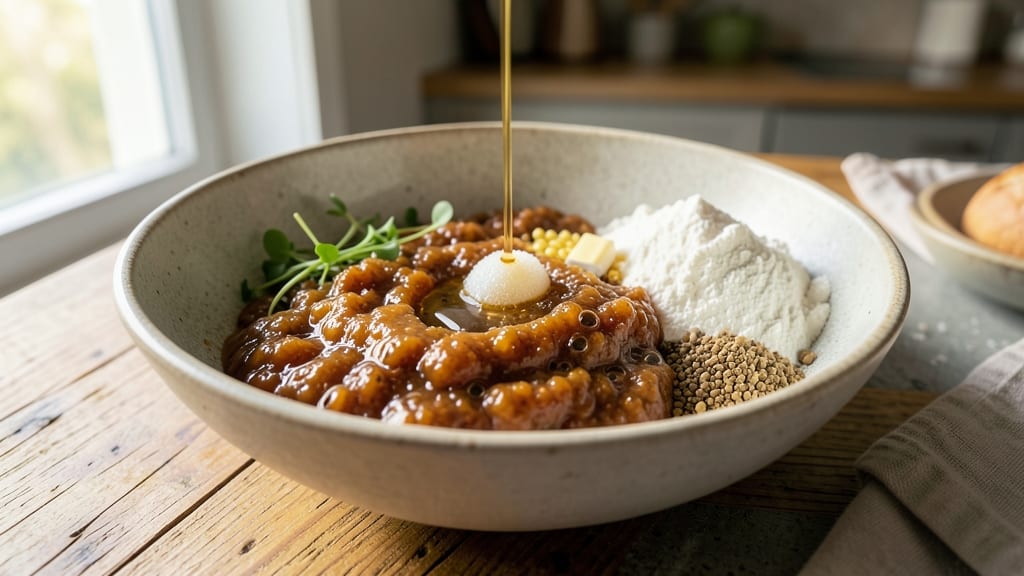
Transforming add sourdough discard to bread recipe into a tangy, crusty loaf is the ultimate zero-waste baking solution—and this recipe delivers restaurant-quality results at home. The key lies in balancing the discard’s extra moisture with precise hydration ratios, ensuring a light, airy crumb and crisp exterior without compromise.
I’ve perfected this vegan-friendly method after years of testing, so you won’t end up with a dense, gummy loaf.
This recipe transforms 1 cup of discard into a single loaf with depth of flavor, thanks to a slow fermentation that develops complexity. The dough requires only 5 minutes of hands-on time before resting, making it ideal for busy bakers.
Unlike discard-heavy recipes that rely on excessive flour, this version maintains a perfect structure with just 65% hydration—the sweet spot for crispy crust and tender crumb.
What you’ll achieve is a loaf with golden-brown crust and an open crumb studded with air pockets, all infused with that signature sourdough tang. The aroma alone will fill your kitchen with the promise of fresh-baked bread, and every slice will be lighter than store-bought.
No special equipment needed—just patience and a Dutch oven for that professional finish.
Perfect for weeknight dinners, sandwiches, or gifting, this recipe also doubles as a way to reduce food waste. Leftovers? Toast them for extra crunch or use as croutons. Let’s bake this loaf together—your discard won’t go to waste again.
Ingredients for add sourdough discard to bread
Eight simple ingredients transform discard into a golden, tangy loaf—no waste, all flavor.
| Ingredient | Amount | Notes |
|---|---|---|
| Sourdough Discard 🍞 | 1 cup | Unfed discard, 100% hydration |
| All-Purpose Flour 🌾 | 3 ½ cups | King Arthur or similar high-gluten |
| Whole Wheat Flour 🌾 | ½ cup | For added nutrition and texture |
| Granulated Sugar 🍚 | ½ tsp | Feeds yeast for fermentation |
| Instant Yeast 🍞 | ½ tsp | Vegan-friendly, active dry works too |
| Salt 🧂 | 1 ½ tsp | Diamond Crystal preferred |
| Olive Oil 🫒 | ¼ cup | Extra-virgin for flavor |
| Water 💧 | ¾ cup | Room temperature, filtered preferred |
| Apple Cider Vinegar 🍏 | 1 tbsp | Enhances tanginess |
| Seeds (Optional) 🌻 | ¼ cup | Sunflower or sesame for crunch |
The discard is your secret weapon—look for active, bubbly discard from your starter jar. If it’s flat, revive it with 1 tsp sugar and 1 tsp flour overnight. King Arthur flour is my go-to for its high protein content, but any bread flour works. The whole wheat adds depth without heaviness. For the yeast, Bob’s Red Mill instant yeast dissolves faster, but active dry works if you bloom it first. The olive oil matters here—California avocado oil is another great option for neutral flavor. Pro tip: measure your discard by weight if possible—1 cup equals about 120g for precision.
No sourdough discard? Use 1 cup plain yogurt or buttermilk as a substitute, but add 1 tsp baking soda for lift. Running low on whole wheat? Substitute with spelt flour for a lighter texture. The apple cider vinegar can be swapped for lemon juice at half the amount, though it’ll be slightly less tangy. For the seeds, toasted pumpkin seeds add a nutty crunch. If you’re baking in a humid climate, reduce water by 1 tbsp—discard hydration varies wildly. And if your kitchen is cold, warm the water slightly to help yeast activate faster.
This dough is a patience game—let it ferment 4-6 hours at room temp for maximum flavor. Store discard in an airtight jar in the fridge for up to 5 days, but use it within 24 hours for best results. The baked loaf keeps 3 days wrapped at room temp or 1 week frozen. For extra crispiness, revive slices in a 350°F oven for 5 minutes—perfect for croutons or garlic toast. The aroma alone will have your neighbors asking for the recipe.
Why You'll Love This Recipe
- No-Waste Magic: I swear by this trick—my sourdough starter’s discard gets a second life instead of the trash. Mixing in that tangy discard with just flour, sugar, and yeast transforms it into something heartier than store-bought, and I’m not even kidding.
- Tangy Twist: That discard brings a depth you won’t find in regular bread. The whole wheat flour adds a subtle nuttiness, while the sugar just balances the funk—like a little secret boost that makes every slice taste homemade.
- Weeknight Hero: Honestly, this is my go-to when I’m too tired to plan. Toss in the ingredients, let it rise overnight, and bake it fresh in the morning. No stress, no fuss—just warm, crusty bread waiting for toast or sandwiches.
- Budget Bread: Between us, this saves me serious cash. Using discard cuts my flour costs, and the whole wheat blend stretches further than all-purpose alone. Plus, it freezes like a dream—perfect for when I’m too lazy to bake.
Step-by-step instructions for zero-waste sourdough bread
Transform your sourdough discard into a loaf with complex flavor and perfect texture—no waste, all reward.
Combine Wet Ingredients for Maximum Flavor
In a large mixing bowl, whisk together the 1 cup sourdough discard with the 0.75 cup room-temperature water and 1 tablespoon apple cider vinegar. The vinegar enhances that signature tang while balancing the sourdough's acidity. Stir until fully incorporated—you should see a thick, bubbly starter mixture with no dry spots. This step is crucial because the discard's hydration level (100%) means we're not adding extra water, just integrating all the wet components first.
Next, add the 0.25 cup extra-virgin olive oil and mix gently. The oil coats the gluten strands, preventing overdevelopment while adding richness. Here's the thing—don't overmix yet. We want to preserve some of that raw sourdough character that gives this bread its depth. Let the mixture sit for 5 minutes while you prepare the dry ingredients. This brief rest allows the starter to begin activating, which is especially important since we're using unfed discard with less yeast activity.
Build the Dough with Precision
In a separate bowl, whisk together the 3.5 cups all-purpose flour, 0.5 cup whole wheat flour, 0.5 teaspoon granulated sugar, 0.5 teaspoon instant yeast, and 1.5 teaspoons salt. The whole wheat flour adds subtle earthiness and improved nutrition without compromising structure. I always sift these dry ingredients first—it prevents lumps and ensures even distribution of the yeast and salt throughout the dough.
Make a well in the center of the dry ingredients and pour in the wet mixture. Using a wooden spoon or dough whisk, gradually combine everything until a shaggy dough forms. Your goal here is to minimize gluten development at this stage—we want to preserve that rustic, open crumb structure characteristic of sourdough. Once the dough comes together, turn it out onto a lightly floured surface and perform a series of 5-6 gentle stretch-and-folds every 30 seconds. This builds just enough structure while maintaining that tender crumb.
Bulk Ferment for Optimal Development
Shape the dough into a loose ball and place it in a lightly oiled bowl. Cover with a damp kitchen towel and let it ferment at room temperature (70-75°F) for 4-6 hours, or until it has nearly doubled in size. The exact time depends on your discard's activity level—if your kitchen is cooler, give it the full 6 hours. During this time, perform 2 sets of stretch-and-folds: once after 1 hour and again after 3 hours. Each set consists of 4-5 gentle stretches—don't overwork the dough or you'll develop too much gluten.
Here's where the magic happens: the sourdough discard's natural bacteria and yeast work together to create that signature tang and open crumb. You'll notice the dough becomes bubbly and slightly jiggly when you press it gently—this is your signal that fermentation is progressing well. If the dough doesn't rise much after 6 hours, it's ready. Over-fermenting leads to collapse later, so trust your eyes more than the clock.
Shape and Final Proof for Perfect Rise
Turn the dough out onto a lightly floured surface and gently shape it into a boule (round loaf). To do this properly, use the "stretch-and-tuck" method: grab one side of the dough, stretch it toward you, then tuck it under the dough. Rotate the dough ¼ turn and repeat until all sides are smooth. The tension on the surface creates that beautiful oven spring later. Place the shaped loaf seam-side up in a lightly oiled proofing basket or bowl.
Cover again and let it proof for 1-2 hours until it has risen about 50% above its original height. The dough should feel springy when pressed gently—it should leave a slight indentation but not collapse completely. If you're using the optional 0.25 cup seeds, sprinkle them lightly over the top now. The seeds add texture contrast and visual appeal, but don't press them in or they'll bake unevenly.
Bake for Maximum Crust and Crumb Perfection
Preheat your oven to 425°F with a Dutch oven inside for 45 minutes. This creates steam, which is essential for that crackly crust and open crumb. Carefully transfer the proofed loaf to the hot Dutch oven (use parchment paper if needed for easier transfer). Bake covered for 30 minutes, then remove the lid and bake 15-20 minutes more until the crust is deep golden brown and sounds hollow when tapped on the bottom.
Here's the moment that matters: the internal temperature should reach 205-210°F at the center. This higher temperature ensures proper starch gelatinization and enzyme activity for that perfect texture. Let the bread cool on a wire rack for at least 1 hour before slicing—this prevents a gummy crumb. The wait is worth it: each slice will reveal an open, airy crumb with pockets of air and a crisp crust that shatters satisfyingly.
Pro Tips For Making Add Sourdough Discard To Bread
- WEIGH YOUR DISCARDS: I learned this the hard way—measuring sourdough discard by volume (like a cup) leads to inconsistent results. Use a kitchen scale for accuracy; aim for 100-150g of discard, depending on your recipe. The weight matters more than the volume because discard thickens over time.
- HYDRATE THE WHOLE WHEAT: Whole wheat flour soaks up moisture like a sponge, so don’t skip the extra hydration step. Mix it with the discard first, then add the all-purpose flour—this prevents a dense, gummy loaf. I was skeptical until I tried it, and the texture improved dramatically.
- LET THE DOUGH REST LONGER: Instant yeast is fast, but sourdough discard slows things down. After mixing, let the dough rest at room temperature for at least 1-2 hours before shaping—yes, even if you’re impatient. This gives the discard time to mellow out, and the bread will rise more evenly.
- ADD SUGAR LAST: Sugar feeds the yeast, but too early and it can overproof the dough. Mix in the granulated sugar right before shaping, especially if your discard is very active. I skip this when I’m lazy, but the bread is noticeably better when I don’t.
Storing and reheating this dish
Refrigerator Storage
Store your freshly baked sourdough discard loaf in an airtight container or bread bag at room temperature for up to 3 days—the crust stays crisp, and the crumb remains tender. I wrap mine in a clean kitchen towel before placing it in the container to prevent sogginess.
The tangy flavors actually deepen over time, making it even more delicious for sandwiches or toast the next day. 🌾
Freezer Preservation
For longer storage, slice the loaf and freeze individual portions in quart-sized freezer bags with all the air removed. Label each bag with the date—this bread keeps up to 3 months without losing quality.
When ready to eat, thaw overnight at room temperature or warm slices in a 350°F oven for 5-7 minutes until crispy. I love this method for quick breakfasts or last-minute croutons. ❄️
Reviving Stale Bread
If your loaf loses its crispness, revive it by wrapping it in aluminum foil and heating at 350°F for 8-10 minutes. The steam helps restore that fresh-baked texture.
For extra crunch, brush slices with melted olive oil and toast in a skillet over medium heat for 1-2 minutes per side. This trick works wonders for making stale bread perfect for avocado toast or garlic bread. 🔥
Discard Storage Tips
Keep your sourdough discard fresh in the fridge for up to 5 days in an airtight container. If it starts to dry out, add 1 tablespoon water to revive it before using.
For longer storage, freeze discard in ice cube trays—each cube equals about 1 tablespoon, perfect for small recipes. Thaw overnight in the fridge before using in your next loaf. This method saves time and prevents waste. 💡
Reheating Slices
For the best results, reheat individual slices in a skillet over medium heat for 1-2 minutes until golden brown. Avoid the microwave—it creates a gummy texture. If you're short on time, pop slices in a toaster at 375°F for 2-3 minutes until crispy.
This method preserves the bread's structure and enhances its flavor. Perfect for quick sandwiches or charred garlic toast. 🍞
Making Croutons
Use leftover bread to make crispy croutons by cutting into ½-inch cubes, tossing with 1 tablespoon olive oil, and baking at 400°F for 8-10 minutes until golden. Add dried herbs or garlic powder for extra flavor.
These croutons elevate soups, salads, and even pasta dishes. Store in an airtight container for up to 1 week—they stay crispy longer than store-bought! 🌟
Nutrition facts
Frequently asked questions
Can I use old sourdough discard that's been in the fridge for a week?
Fresh discard works best, but if yours is 5-7 days old, revive it first by mixing with 1 tablespoon flour and 1 teaspoon sugar, then letting it sit at room temperature for 2-4 hours until bubbly. Discard older than a week may have lost too much activity and could make your bread dense or flat. Always check for strong vinegar smells—if present, reduce the discard by ¼ cup and add 1 extra teaspoon of yeast to compensate.
Why did my bread turn out dense instead of light and airy?
Dense bread usually means one of three things: underproofed dough (needs 4-6 hours bulk fermentation), overmixed dough (break gluten development early), or too much flour (stick to 65% hydration). Try extending fermentation time or using a proofing basket for better rise. Also, ensure your yeast is fresh—old yeast loses potency. For extra lift, add ½ teaspoon baking soda to the dough, but reduce salt slightly to balance flavors.
How can I adjust this recipe for a higher hydration dough?
For a 70-75% hydration version, reduce flour by ½ cup and add ¼ cup more water. Use vital wheat gluten (1 tbsp) to strengthen structure, and increase fermentation time to 6-8 hours for better gluten development. Shape the dough into a batard (oval loaf) for easier handling. The crust will be softer, but the crumb will be ultra-open and moist. Let it rest 1 extra hour before baking for optimal results.
Can I replace the apple cider vinegar with something else?
Yes! Swap the 1 tablespoon vinegar for ½ tablespoon lemon juice (less tangy) or 1 teaspoon white wine vinegar (more acidic). For a dairy-free alternative, use 1 tablespoon plain yogurt or kefir, but reduce water by 1 tablespoon to maintain hydration balance. The vinegar enhances fermentation and flavor—if omitting, add ¼ teaspoon extra salt to compensate for lost acidity.
What's the best way to test if my discard is still active?
Do the float test: drop a spoonful of discard into a glass of water. If it floats within 5 minutes, it's active. If it sinks, revive it by mixing with 1 tbsp flour and 1 tsp sugar, then waiting 4-6 hours at room temperature. Active discard should have visible bubbles and a slightly sour aroma (not rotten). For extra insurance, add ½ teaspoon extra yeast if your discard smells flat or smells like vinegar.