
Side Dishes
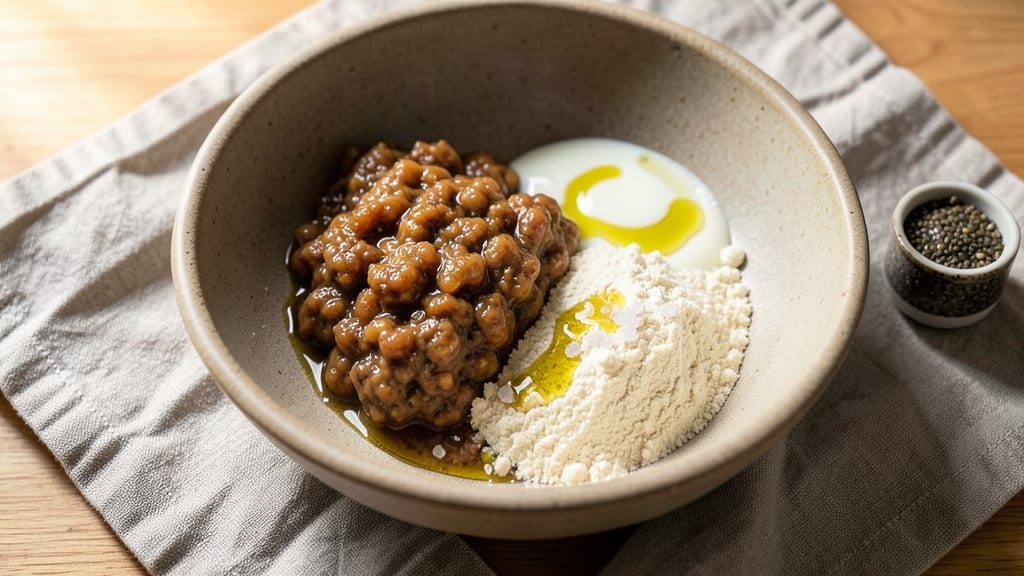
This active sourdough bread recipe delivers restaurant-quality crust and airy crumb with minimal daily effort—perfect for home bakers ready to master fermentation. The secret lies in a 12-hour hands-off rise that transforms simple flour and water into complex, flavorful bread through wild yeast and bacteria.
I've refined this method over years to eliminate guesswork, ensuring consistent results whether you're using white, whole grain, or rye flour.
The process begins with activating your starter, then shaping dough with precise hydration (65-75%) for optimal texture. Bulk fermentation at room temperature develops flavor while proofing in the fridge overnight creates that signature open crumb.
Every step—from scoring to baking—builds on the previous one, with troubleshooting tips to handle common issues like overproofing or dense crumb.
What you'll achieve is a loaf with a crispy, caramelized crust and tender interior, packed with nutty depth from natural fermentation. The method accommodates flavor variations like seeds or herbs without compromising structure. This isn't just bread—it's a living process that rewards patience with unmatched satisfaction.
Whether you're baking for daily meals or gifting artisanal loaves, this recipe delivers professional results at home. The hands-off approach makes it ideal for busy schedules while still teaching fundamental sourdough techniques. Let's get started with the complete step-by-step process.
Ingredients for active sourdough bread
Simple flour, water, and patience transform into restaurant-quality sourdough—no yeast needed.
| Ingredient | Amount | Notes |
|---|---|---|
| Active Sourdough Starter 🍞 | ½ cup | 100% hydration, bubbly and active |
| All-Purpose Flour 🌾 | 3 cups | Bread flour preferred for structure |
| Water 💧 | 1 ½ cups | Room temperature, filtered preferred |
| Unsweetened Almond Milk 🥛 | ½ cup | Replaces dairy for vegan hydration |
| Extra-Virgin Olive Oil 🫒 | 1 tbsp | Cold-pressed for flavor |
| Sea Salt 🧂 | 1 ½ tsp | Fine grain, Diamond Crystal preferred |
| Flaxseed Meal 🌰 | 1 tbsp | For vegan dough strengthener |
| Ground Flaxseed 🌰 | 3 tbsp | Mixed with water for egg replacement |
| Sesame Seeds 🌿 | 1 tbsp | Optional topping for texture |
| Poppy Seeds 🌿 | 1 tbsp | Optional topping for flavor |
| Cornmeal 🌽 | 2 tbsp | For dusting baking surface |
The sourdough starter is your secret weapon. King Arthur or Bob's Red Mill flours work best for consistent fermentation, but any all-purpose will do in a pinch. Look for a starter that's bubbly and doubles in size within 4-6 hours—this means it's hungry and ready to work. For vegan hydration, unsweetened almond milk mimics dairy's moisture without altering flavor. The flaxseed meal adds structure, while the ground flaxseed mixed with water replaces eggs entirely. I keep my starter in a glass jar on the counter, feeding it daily with equal parts flour and water. If yours is sluggish, try feeding it more frequently for 2-3 days before baking.
No almond milk? Oat milk or coconut milk work just as well—avoid soy milk as it can interfere with fermentation. Short on flaxseed? Chia seeds mixed with water (1 tbsp chia + 3 tbsp water = 1 tbsp flax) does the trick. The olive oil should be cold-pressed and fruity—none of that cheap cooking oil nonsense. For salt, Diamond Crystal is the gold standard, but any fine sea salt works. The optional seeds can be swapped for everything bagel seasoning or crushed nuts if you're feeling fancy. Just don't skip the cornmeal—it prevents sticking and adds that perfect crunch to the crust.
Your starter and dough both thrive in the fridge. Store your active starter in an airtight container at room temperature when not in use, feeding it every 24-48 hours. The dough can be shaped and proofed in the fridge for up to 24 hours—this is actually ideal for flavor development. For best results, bake within 4 hours of taking the dough out of the fridge. The loaf keeps well at room temperature for 2-3 days wrapped in a cotton towel, or frozen for 3 months. I always slice mine before freezing—perfect for quick toasts later. Toasting revives stale bread like magic, so don't toss those leftovers.
Why You'll Love This Recipe
- No-Knead Magic: I swear by this method—just mix, rest, and bake. The almond milk adds a subtle richness that cuts through the tang of the starter, while the olive oil keeps it tender without fussing over yeast measurements.
- Tangy Twist: That active starter isn’t just for show—it delivers a bright, complex flavor that’s way more interesting than store-bought. The olive oil finish makes every bite feel like a little luxury, even on a lazy afternoon.
- Weeknight Workhorse: Toast it for breakfast, tear it over salads, or use it to soak up sauces—this bread handles everything. Honestly, I’ve even repurposed day-old slices into croutons or breadcrumbs without a second thought.
- Budget-Friendly Staple: Flour and water are cheap, and a small starter goes a long way. I’ve made loaves for a crowd, frozen extras, and still had leftovers for days—no waste, just pure practicality.
Step-by-step instructions for active sourdough bread
Here's how to transform your starter into a crusty, vegan-friendly loaf with minimal hands-on time.
Prepare the Flaxseed Egg Substitute
In a small bowl, combine the 3 tablespoons ground flaxseed with 1 tablespoon flaxseed meal and 0.5 cup unsweetened almond milk. Stir vigorously until completely smooth—this creates your egg replacement. Let it sit for 5 minutes while you prepare the rest of the dough. You'll know it's ready when it thickens into a gel-like consistency, similar to scrambled eggs. This flax mixture provides the structure and binding that eggs would normally contribute.
While waiting, check your 0.5 cup active sourdough starter—it should be bubbly and have at least doubled in size. If it's sluggish, give it another 30 minutes at room temperature. The starter's activity directly impacts your bread's rise, so don't rush this verification step. I always tap the jar gently; active starter makes a pleasing "ping" sound when ripe.
Mix the Dough with Precision
In a large mixing bowl, combine the 3 cups all-purpose flour and 1.5 teaspoons sea salt. Create a well in the center and pour in the flaxseed mixture, 1.5 cups water, 1 tablespoon extra-virgin olive oil, and the 0.5 cup active sourdough starter. Using a wooden spoon or dough whisk, mix gently at first—you're not trying to develop gluten here, just combine everything.
Once the ingredients come together into a shaggy mass, switch to your hands. Knead the dough on a lightly floured surface for 5-7 minutes until it becomes smooth and slightly elastic. The dough should be tacky but not sticky—if it sticks too much, add 1 tablespoon flour at a time. I press down gently on the dough during kneading; this helps distribute the flaxseed mixture evenly and strengthens the gluten strands without overworking the dough.
Bulk Ferment for Maximum Flavor
Shape the dough into a loose round and place it back in the mixing bowl. Cover tightly with plastic wrap or a damp towel and let it ferment at room temperature for 4-6 hours. This is where the magic happens—the dough will rise dramatically, then collapse as the yeast consumes sugars. I like to check it after 2 hours; you'll see bubbles forming on the surface and the dough will feel noticeably lighter when lifted.
After the initial rise, the dough will look deflated. This is normal—it's not failing, just entering its second rise phase. Gently stretch and fold the dough every 30 minutes for the first 2 hours of this phase. To do this, wet your hands and grab one side of the dough, stretch it upward, and fold it over itself. Rotate the bowl and repeat on all sides. This technique develops gluten without overworking the dough, giving you that perfect open crumb structure.
Shape and Final Proof
Once the dough has nearly doubled in size again (after 4-6 hours total bulk fermentation), turn it out onto a surface dusted with 2 tablespoons cornmeal. Shape it into a tight round bouloch—pull the dough toward you in all directions, then roll it into a ball with the seam side down. The tension on the surface creates that beautiful oven spring later.
Place the shaped dough on a parchment-lined baking sheet, cover loosely with plastic, and let it proof at room temperature for 1-2 hours until it's puffy and has risen about 50%. The dough should spring back slowly when poked with your finger—press gently, then watch how quickly it returns. If it springs back immediately, it needs more time. If it barely springs back, it's ready. This final proof develops the flavor and texture we're after.
Bake to Crusty Perfection
Preheat your oven to 425°F with a Dutch oven inside for 45 minutes. This creates a steam environment that's crucial for that artisan crust. Carefully transfer your dough (still on parchment) into the hot Dutch oven, cover, and bake for 30 minutes. Then remove the lid and bake for another 15-20 minutes until the bread is deep golden brown and sounds hollow when tapped on the bottom.
Let the bread cool on a wire rack for at least 1 hour before slicing—this prevents a gummy crumb. While cooling, mix together the 1 tablespoon sesame seeds and 1 tablespoon poppy seeds in a small bowl. Just before serving, sprinkle this seed mixture over the warm bread. The contrast of the crunchy seeds against the soft interior makes every bite special. Store any leftovers in an airtight container for up to 3 days, or freeze for longer storage.
Pro Tips For Making Active Sourdough Bread
- Check Starter Before Mixing: If your sourdough starter looks flat or takes more than 4-6 hours to double, feed it 1:1:1 (starter:flour:water) twice before baking—this recipe assumes active starter with bubbles at the surface. I learned this the hard way when my loaf turned dense because the starter was sluggish.
- Weigh Your Almond Milk: Unsweetened almond milk varies in thickness—use a scale for accuracy (about 10% of flour weight). I used to eyeball it and ended up with either a sticky dough or a dry one. A kitchen scale saves guesswork here.
- Skip the Over-Kneading: This dough is stretchy but weak—fold it gently 3-4 times during bulk fermentation (every 30 minutes). I used to pull and knead like yeast bread, and the gluten network collapsed. Let the folds do the work.
- Preheat Dutch Oven with Lid: Place the Dutch oven (with lid) in the oven while it heats to 450°F (230°C) for 30 minutes. The steam buildup when you add the dough is what creates that crackly crust. I skipped this once and got a sad, flat loaf.
Perfect pairings for this active sourdough bread
Classic Spreads
Nothing complements fresh sourdough like whipped ricotta mixed with 1 tablespoon honey and ½ teaspoon vanilla extract. The tangy, slightly acidic bread cuts through the creaminess beautifully.
I also love garlic-herb hummus—blend 1 can chickpeas, 2 tablespoons tahini, 1 roasted garlic clove, 1 tbsp lemon juice, and 2 tbsp olive oil until smooth. The nutty depth of sourdough enhances the earthy flavors. 🥗
Toppings and Add-Ins
For a hearty breakfast, layer your toast with avocado mash (½ ripe avocado + 1 tbsp Greek-style vegan yogurt + pinch of salt) and everything bagel seasoning. The crunchy seeds from your sourdough pair perfectly with the creamy avocado.
Another favorite is smoked almond butter—spread 2 tbsp on warm slices and drizzle with 1 tsp maple syrup. The nutty, slightly sweet combo is irresistible. 🌰
Sweet Pairings
Swap savory toppings for mascarpone cheese and fresh berries when you crave something sweet. Dollop 2 tbsp mascarpone on toasted slices, then top with ¼ cup mixed berries and a sprinkle of toasted coconut flakes.
The acidity of the berries balances the richness. For a decadent treat, spread dark chocolate ganache (melt ½ cup dark chocolate chips with 2 tbsp coconut cream) and top with crushed hazelnuts. 🍫
Beverage Pairings
A lightly chilled chai latte made with vanilla almond milk and a dash of cinnamon enhances the bread's nutty notes. For coffee lovers, try a cold brew concentrate (diluted with water) served over ice—its smooth bitterness contrasts the sourdough's tang.
Sparkling water with a squeeze of lemon or lime is my go-to for a refreshing, palate-cleansing sip. Avoid overly sweet drinks that overpower the bread's complex flavors. 🍵
Savory Sandwich Ideas
Create a vegan Monte Cristo by layering toasted sourdough with mushroom duxelles (finely chopped mushrooms sautéed with garlic and thyme), vegan Swiss cheese slices, and a smear of Dijon mustard. Press in a pan with vegan butter until golden.
For a Mediterranean twist, stack hummus, roasted red peppers, kalamata olives, and spinach between two slices. The bread's structure holds up beautifully to these hearty fillings. 🥪
Global Variations
Transform your sourdough into pan con tomate by rubbing toasted slices with ½ ripe tomato, 1 garlic clove, and 1 tbsp olive oil. Top with olive tapenade and sliced radishes.
For an Italian-inspired version, spread pesto (blend 2 cups basil, ¼ cup pine nuts, 2 garlic cloves, and ½ cup olive oil) and add sun-dried tomatoes and vegan mozzarella. These variations turn simple bread into a gourmet experience. 🌍
Nutrition facts
Frequently asked questions
How do I know my sourdough starter is ready for baking?
Your starter should be bubbly, have at least doubled in size, and smell tangy but pleasant (like yogurt or fresh bread). Tap the jar gently—it should make a hollow "ping" sound. For this recipe, use 0.5 cup of starter that's active and hungry (fed within the last 4-6 hours). If it's sluggish, feed it more frequently for 2-3 days before baking.
Can I substitute whole grain flour for all-purpose in this recipe?
Yes, but adjust hydration slightly. Whole grain flours absorb more water, so reduce water by 1-2 tablespoons if using 50% whole grain (like rye or whole wheat). For 100% whole grain, reduce water by 3-4 tablespoons and add 1 extra tablespoon olive oil for moisture. The flavor will be nuttier, but the texture may be denser—account for a 10-15 minute longer bake time.
Why did my dough collapse after shaping?
This usually happens from overproofing or weak gluten structure. Check your starter first—it must be active. During bulk fermentation, perform stretch-and-folds every 30 minutes for the first 2 hours to strengthen gluten. If the dough collapses after shaping, it may need 1-2 extra hours of proofing. For next time, try a shorter bulk fermentation (3-4 hours) with more frequent folds.
Can I make this bread without a Dutch oven?
Preheat a baking sheet with a metal bowl upside-down on top for 30 minutes before baking. Place your dough on parchment, cover with the bowl, and bake as directed. For extra steam, spray the bowl with water before covering. The crust won't be as crispy, but you'll still get a great loaf. Alternatively, bake on a baking sheet and brush with water every 5 minutes during the first 15 minutes of baking.
How do I revive stale sourdough bread?
Toast slices in a 375°F oven for 5-7 minutes until crispy, or warm in a 200°F oven for 10 minutes wrapped in foil. For a quick fix, sprinkle with water and toast—this reactivates the starches. Store bread in a paper bag at room temperature to maintain freshness longer than plastic. Freeze slices for up to 3 months to preserve texture.