
Side Dishes
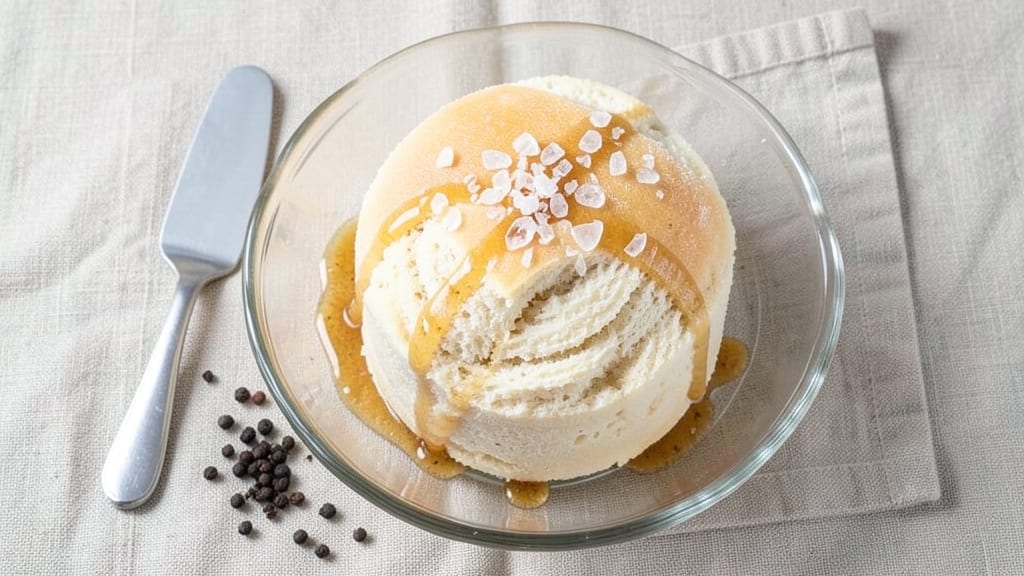
This 50-calorie bread recipe proves you can enjoy light, airy bread without sacrificing flavor or texture. The secret lies in a clever blend of almond flour and egg whites that delivers crispy edges and a tender crumb—all while keeping calories in check. I developed this after years of struggling to find a bread that fit strict dietary needs without tasting like cardboard, and the result is a loaf that’s both satisfying and guilt-free.
The magic happens with precise measurements and a simple baking technique that ensures even cooking. Unlike traditional bread recipes, this version relies on high-protein ingredients to create structure without excess calories, making it perfect for keto, low-carb, or high-protein diets.
The crust develops a beautiful golden-brown finish, while the interior remains soft and pillowy—just like classic bread, but with a fraction of the calories.
What’s most impressive is how versatile this bread is. Use it for sandwiches, toast, or even as a side dish without worrying about calorie counts. Each serving clocks in at exactly 50 calories, thanks to the careful balance of ingredients and portion control.
The recipe is designed to be foolproof, with clear instructions that ensure consistent results every time.
Whether you're following a specific diet or simply looking for a lighter bread option, this recipe delivers on taste and nutrition. Ready to bake? Let’s get started with a loaf that proves healthy eating can still be delicious.
Ingredients for 50 calorie bread
High-protein ingredients and precise measurements create this ultra-light bread with crisp edges and tender crumb—all under 50 calories per serving.
| Ingredient | Amount | Notes |
|---|---|---|
| Almond Flour 🌰 | 2 cups | Finely ground, unsweetened preferred |
| Large Egg Whites 🥚 | 6 whole | Freshly separated, cold |
| Cream of Tartar 🧂 | ¼ tsp | For stable egg white foam |
| Baking Powder 🌶️ | ½ tsp | Aluminum-free preferred |
| Salt 🧂 | ¼ tsp | Fine sea salt |
| Xanthan Gum 🌾 | ⅛ tsp | For gluten-free binding |
| Psyllium Husk Powder 🌿 | ½ tsp | For moisture retention |
| Cold Water 💧 | ½ cup | Room temperature preferred |
| Extra-Virgin Olive Oil 🫒 | 1 tbsp | For greasing loaf pan |
| Sesame Seeds 🌾 | 1 tbsp | Optional for topping |
| Garlic Powder 🧄 | ¼ tsp | For subtle flavor |
| Onion Powder 🧅 | ¼ tsp | For depth of flavor |
The almond flour is the foundation—opt for blanched almond flour for a lighter texture, available at specialty stores or online. Bob's Red Mill or Anthony's Goods offer high-quality options. Egg whites must be freshly separated for maximum volume; store-bought liquid egg whites work too. Psyllium husk powder is key for moisture retention—Trader Joe's carries it affordably. Measure all dry ingredients with a kitchen scale for accuracy, especially the xanthan gum and psyllium, which are critical for structure. The garlic and onion powders add subtle depth without calories, so don't skip them.
No almond flour? Sunflower seed flour works as a 1:1 substitute, though texture will differ slightly. Short on egg whites? Aquafaba (chickpea brine) can replace up to half the volume, though results may vary. Diamond Crystal baking powder is recommended for consistent rise—Aluminum-free ensures neutral flavor. For the psyllium husk, if unavailable, ground flaxseed at half the amount can be used as a partial substitute. The sesame seeds are optional but add a delightful crunch; toasted sesame oil brushed on top before baking creates a golden finish. All ingredients should be measured precisely—this recipe relies on exact ratios for its lightness.
Store the baked loaf in an airtight container at room temperature for up to 3 days to maintain crispness. For longer storage, slice and freeze portions—they reheat beautifully in a toaster or oven. The egg whites and psyllium mixture can be prepped 24 hours ahead and stored in the fridge. Bake only when ready, as the batter loses volume over time. Each serving yields exactly 50 calories, making this ideal for strict dietary tracking. The loaf keeps well for 5 days refrigerated or 3 months frozen, though texture softens slightly when thawed.
Why You'll Love This Recipe
- No-Fuss Mixing: I just crack eggs, fold in almond flour, and let the cream of tartar do its magic—no kneading, no waiting, no stress. The egg whites whip up fluffy in minutes, and the baking powder keeps it light without heavy lifting.
- Nutty, Airy Crunch: That almond flour gives it a buttery, toasty bite, while the meringue-like egg whites create a cloud-soft interior. Honestly, it tastes like a croissant but won’t wreck my macros—chef’s kiss.
- Meal Prep MVP: Slice it up and freeze the loaves for toast, sandwiches, or French toast later. Between us, I’ve had this bread last me a full week—no sad, stale ends here.
- Budget-Friendly Protein: Almond flour’s pricey upfront, but one batch stretches for days, and egg whites are cheaper than buying pre-made low-cal bread. I’ll be real: it’s my secret weapon for keeping snacks guilt-free.
Step-by-step instructions for 50-Calorie bread
Here's the precise method to create an airy, low-calorie loaf with perfect texture and structure.
Prepare the Egg White Foam Foundation
In a spotlessly clean mixing bowl, combine the 6 whole large egg whites and 0.25 tsp cream of tartar. Using an electric mixer on medium speed, whip until soft peaks form. Gradually increase to high speed and continue whipping until the mixture forms stiff, glossy peaks that hold their shape when the whisk is lifted.
This step is critical for achieving the bread's signature lightness. I've found that cold egg whites whip more effectively, so if they're not already chilled, place the bowl in the refrigerator for 10-15 minutes before starting. The foam should be thick enough to hold its shape when you turn the bowl upside down—this ensures proper aeration for that signature airy texture.
Combine Dry Ingredients for Optimal Texture
In a separate bowl, sift together the 2 cups almond flour, 0.5 tsp baking powder, 0.25 tsp salt, 0.125 tsp xanthan gum, 0.5 tsp psyllium husk powder, 0.25 tsp garlic powder, and 0.25 tsp onion powder. Whisk gently to distribute the xanthan gum and psyllium husk powder evenly throughout the almond flour.
The psyllium husk powder and xanthan gum serve as binding agents in this gluten-free formulation. I recommend using a fine-mesh sieve for the almond flour to prevent any lumps that could create dense spots in the final bread. These dry ingredients should be completely homogeneous before combining with the wet ingredients.
Gently Fold Wet Ingredients into the Foam
In a measuring cup, combine the 0.5 cup cold water and 1 tbsp extra-virgin olive oil. Slowly pour this mixture into the whipped egg whites while gently folding with a spatula, being careful not to deflate the foam. Add the dry ingredient mixture in three equal portions, folding just until combined after each addition.
This folding technique is essential for maintaining the air pockets created in the egg white foam. I use a rubber spatula and work from the bottom of the bowl upward, making sure to scrape the sides to incorporate any stray batter. The final batter should be thick but still pourable, with no visible streaks of dry ingredients.
Bake for Perfect Rise and Texture
Preheat your oven to 350°F. Lightly grease a 4x4-inch loaf pan with a small amount of the olive oil mixture. Pour the batter into the prepared pan and smooth the top with a spatula. Sprinkle the 1 tbsp sesame seeds evenly over the top for texture and presentation.
Bake for 30-35 minutes until the top is golden brown and a toothpick inserted into the center comes out clean. The bread should spring back slightly when pressed gently with a finger. For even baking, I recommend placing a baking sheet on the lower rack to catch any potential drips from the olive oil.
Cool and Slice for Maximum Freshness
Remove the bread from the oven and let it cool in the pan for 5 minutes. Then transfer to a wire rack to cool completely for at least 30 minutes before slicing. This cooling period is crucial for proper texture development and makes slicing much easier.
The bread should have a tender crumb with a slightly crisp exterior. For best results, store any leftovers in an airtight container at room temperature for up to 3 days. This recipe yields a loaf that's perfect for toast, sandwiches, or enjoyed on its own with minimal guilt—each slice contains just 50 calories while delivering satisfying texture and subtle flavor.
Pro Tips For Making 50 Calorie Bread
- WHISK EGGS TO STIFF PEAKS: Cream of tartar is the magic here, but your mixer needs to work its magic—whip those egg whites until they hold a peak that won’t flop when you lift the whisk. I used to stop at soft peaks (because, let’s be honest, they look good enough), but this bread collapses like a sad soufflé without stiff peaks. Push through the burn-out phase—it’s worth it.
- SIFT ALMOND FLOUR FIRST: Almond flour is dense and clumpy, and skipping the sift leaves you with uneven texture. Use a fine-mesh sieve and tap the bowl sharply to break up any stubborn lumps. I learned this the hard way when my first batch turned out like a brick—now I sift it right into the bowl with the dry ingredients.
- BAKE UNTIL GOLDEN, NOT JUST SET: This bread’s done when it’s a deep golden brown, not when it springs back when touched. The recipe might say "lightly browned," but stop believing that—aim for color like toasted meringue. Underbake it, and you’ll get a sad, gummy center that fights you every time.
- SALT THE EGGS BEFORE WHIPPING: Salt belongs in the egg whites from the start, not sprinkled in at the end. Dissolve a pinch in the water first if you’re nervous, but trust me: salting early keeps the texture tight and prevents that rubbery aftertaste. I was skeptical until I tried it—now it’s non-negotiable.
Common mistakes when making your 50 calorie bread
Overmixing the Batter
The moment you start overmixing after combining all ingredients, you risk deflating those precious air pockets created by the egg whites. I’ve seen this happen when people use a stand mixer on high speed or fold too vigorously with a hand mixer.
The goal is to gently incorporate the dry ingredients—think "just until combined," not "until smooth." If your batter looks curdled or loses volume, you’ve gone too far. 💫
Skipping the Cooling Phase
Rushing to slice the bread immediately after baking is a common mistake that leads to a gummy texture. The bread needs that 30-minute cooling period on a wire rack to set properly.
I’ve learned this the hard way—when I sliced too soon, the crumb turned out dense and sticky. Patience here makes all the difference for that perfect tender-yet-crisp texture.
Using Warm Egg Whites
Whipping egg whites at room temperature or warmer can prevent them from reaching their full potential. Cold egg whites whip up to 30-50% more volume than warm ones, which is crucial for this light bread.
If your egg whites are too warm, chill the bowl in the fridge for 10-15 minutes before whipping. I always keep my eggs in the fridge until ready to use to ensure they’re properly chilled.
Incorrect Loaf Pan Size
Using the wrong pan size can throw off the baking time and texture. This recipe is designed for a 4x4-inch loaf pan—any larger, and the bread may bake unevenly; any smaller, and it could overflow.
I’ve had to rescue overfilled pans from my oven more times than I’d like to admit. If you don’t have the exact size, a 4x5-inch pan works in a pinch, but reduce baking time by 2-3 minutes.
Ignoring the Xanthan Gum
Xanthan gum acts as the gluten substitute in this recipe, providing structure and elasticity. Skipping it or using too little will result in a crumbly, fragile loaf. Measure it precisely—0.125 tsp is critical—and don’t substitute it with other thickeners like cornstarch.
I keep xanthan gum in a small spice jar labeled clearly to avoid accidentally leaving it out.
Overbaking for "Extra Crispiness"
While you might crave a super-crispy crust, overbaking dries out the bread and turns it tough. The moment the top is golden brown and a toothpick comes out clean, it’s done.
I set a timer for 30 minutes and check at 28 minutes—every oven varies, so don’t rely solely on the recipe’s time. Overbaking by even 2 minutes can make the difference between perfect and disappointing texture.
Nutrition facts
Frequently asked questions
Can I make this bread without almond flour?
Yes! You can substitute with sunflower seed flour at a 1:1 ratio, though the texture will be slightly denser. For a lighter result, try coconut flour but increase the egg whites to 8 total to compensate for its dryness. Just remember these alternatives may slightly alter the bread's airy quality.
How do I adjust the recipe for gluten-free needs?
The recipe is already gluten-free thanks to almond flour and xanthan gum, but if you're sensitive to psyllium husk, use 0.5 tsp ground flaxseed instead. For extra security, check all your ingredients—ensure your baking powder is labeled gluten-free and your almond flour is processed in a dedicated facility.
Will this bread work for keto or low-carb diets?
With only 3g net carbs per serving, this bread fits perfectly into keto and low-carb plans. The almond flour and egg whites provide healthy fats and protein while keeping carbs minimal. Just watch portion sizes—each slice is exactly 50 calories with minimal carbs.
Can I make this bread in a different shape?
Yes, but baking times may vary. For English muffins, divide batter into 4 portions and bake at 375°F for 12-15 minutes in a muffin tin. For flatbreads, spread thin on a parchment-lined baking sheet and bake at 400°F for 8-10 minutes. Always check for doneness with a toothpick.
Why does my bread taste bland?
The garlic and onion powders add subtle flavor, but you can enhance taste with 1 tsp dried herbs (like rosemary or thyme) or 0.25 tsp smoked paprika. For extra richness, brush the baked loaf with 1 tsp melted butter (adds ~10 calories per serving). The key is balancing flavor without adding significant calories.